A painful lump beneath the skin can quickly affect sleep, movement, work, and daily comfort. Swelling may increase over several days, while redness, warmth, tenderness, or pus may signal an abscess that requires medical attention. Trying to squeeze, puncture, or drain the area at home may worsen tissue damage or spread bacteria.
Abscess Incision and Drainage in Quezon City provides a controlled medical method for removing trapped pus and cleaning the affected area. Qualified surgeons assess the abscess, prepare the site, drain infected material, and provide wound-care instructions based on each patient’s condition.
The Specialists Surgery & Cancer Center offers safe and affordable outpatient surgical care for suitable patients from Quezon City, Metro Manila, nearby provinces, and other parts of the Philippines. TSSCC focuses on accurate diagnosis, gentle procedures, infection control, and recovery-focused support without unnecessary hospital admission.
What Is an Abscess?
An abscess is a pocket of pus that forms after bacteria enter damaged tissue or a blocked skin structure. White blood cells move toward the affected area as part of the body’s immune response. Pus may then collect beneath the skin, causing pressure, swelling, and pain.
Abscesses may develop after a small cut, puncture wound, insect bite, irritated hair follicle, blocked gland, or infected cyst. Repeated shaving, friction, sweating, or skin trauma may also create conditions that allow bacteria to enter.
Common abscess symptoms include:
- A swollen or painful lump
- Red or warm skin
- Tenderness around the affected area
- A soft center or visible pus
- Increasing pressure beneath the skin
- Fluid leaking from a small opening
- Fever, chills, or body aches during more serious cases
Some small skin abscesses may drain naturally, yet painful or growing abscesses often require professional assessment. Medical guidance also advises patients not to push or squeeze an abscess because pressure may force infected material toward deeper tissue.
What Is Abscess Incision and Drainage?
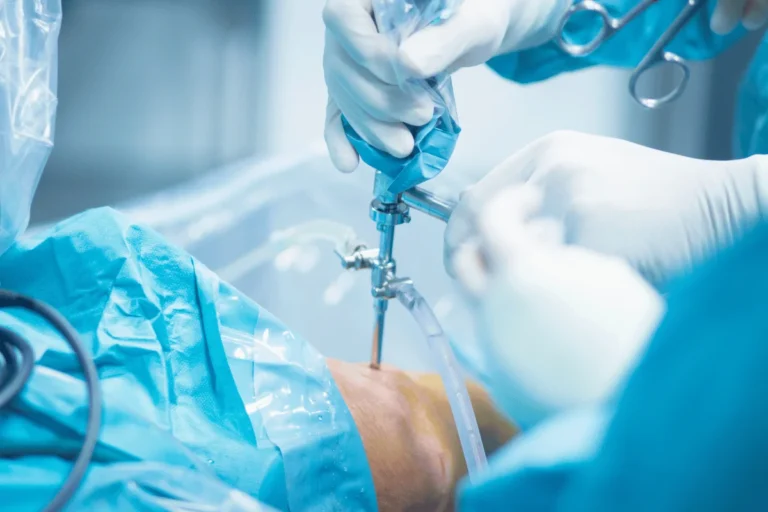
Abscess incision and drainage is a minor surgical procedure used to release pus from an infected pocket. A surgeon creates a small opening through the skin, allows infected fluid to drain, and cleans the cavity.
Abscess Incision and Drainage in Quezon City may be recommended when an abscess causes significant pain, swelling, tenderness, or pressure. Drainage may also be needed when an abscess continues growing despite warm compresses or medication.
Clinical guidance identifies incision and drainage as the recommended care for many skin abscesses, large boils, carbuncles, and inflamed epidermoid cysts. Antibiotics may support care for selected patients, but medication alone may not remove a sealed pocket of pus.
The main goals of the procedure are to:
- Release trapped pus
- Reduce pressure and discomfort
- Remove infected material
- Support proper wound healing
- Lower the chance of nearby tissue damage
- Allow collection of a sample when laboratory testing is needed
Abscess Incision and Drainage in Quezon City may often be completed through an outpatient visit. Deeper abscesses, large infections, or abscesses near sensitive structures may require added testing, specialist care, or hospital-based management.
Signs You May Need Abscess Incision and Drainage in Quezon City
A doctor should assess any painful lump that keeps growing, becomes warmer, develops pus, or causes fever. Early medical review helps determine whether the problem is an abscess, infected cyst, boil, cellulitis, or another condition.
You may need Abscess Incision and Drainage in Quezon City when you notice:
A Painful or Growing Lump
A small bump may gradually become larger, firmer, or more painful. Pressure usually increases as pus collects beneath the surface. Movement, clothing, sitting, or direct contact may become uncomfortable.
Redness, Warmth, or Tenderness
Skin around an abscess often becomes red, warm, swollen, and sensitive. Redness that spreads beyond the original lump may suggest that infection has reached nearby tissue.
A Soft or Pus-Filled Center
A mature abscess may develop a soft center, yellow or white point, or small opening that leaks pus. Partial drainage does not always mean the whole cavity has emptied.
Fever or General Weakness
Fever, chills, fatigue, body aches, dizziness, or swollen lymph nodes may signal a broader response to infection. Prompt assessment becomes especially important when these symptoms appear.
Failure to Improve With Basic Care
A small, superficial bump may respond to doctor-approved warm compresses. Medical review remains necessary when pain, swelling, or drainage continues after one or two days. Professional references suggest reassessing small abscesses after 24 to 48 hours when conservative care does not produce adequate improvement.
Common Causes of Skin Abscesses
Several conditions may lead to abscess formation. Identifying the possible cause helps the doctor plan treatment and discuss recurrence prevention.
Common causes include:
- Bacteria entering through small cuts
- Infected hair follicles
- Ingrown hairs
- Blocked oil or sweat glands
- Infected skin cysts
- Boils or carbuncles
- Insect bites
- Shaving-related irritation
- Friction from clothing or equipment
- Minor traumatic injuries
- Hidradenitis suppurativa
- Poorly healing wounds
- Previous surgical wounds
Abscesses may affect the armpits, groin, buttocks, back, neck, face, arms, or legs. Areas exposed to sweat, pressure, shaving, or repeated rubbing may face a higher chance of irritation.
Who Has a Higher Risk of Developing an Abscess?
Anyone may develop a skin abscess, but several health and lifestyle factors may raise the risk.
People With Diabetes
Diabetes may affect immune response, blood circulation, and wound healing. A seemingly small abscess may become harder to control when blood sugar remains poorly managed. Patients with diabetes should seek medical advice early rather than attempting home drainage.
People With Reduced Immune Defenses
Cancer care, immune-suppressing medicine, chronic disease, or certain blood conditions may reduce the body’s ability to control infection. These patients may require closer monitoring, laboratory testing, or added medication.
People With Repeated Skin Friction
Athletes, manual workers, and people who wear tight uniforms or protective equipment may experience frequent rubbing, sweating, or minor skin damage. Such irritation may allow bacteria to enter hair follicles or broken skin.
People With Recurring Skin Conditions
Hidradenitis suppurativa, recurrent boils, chronic cysts, eczema, and folliculitis may cause repeated abscess formation. Recurring cases deserve a broader medical review rather than repeated home treatment.
Why Early Abscess Care Matters
Delaying care allows pus, pressure, and inflammation to build. The abscess may become larger, more painful, or harder to treat. Bacteria may also spread toward nearby skin and soft tissue.
Timely Abscess Incision and Drainage in Quezon City may:
- Reduce pressure-related pain
- Remove infected fluid
- Limit further tissue irritation
- Support wound recovery
- Help prevent uncontrolled drainage
- Allow testing of pus when medically necessary
- Help uncover causes behind recurring abscesses
Prompt drainage may provide noticeable pressure relief, though soreness can remain while the wound heals. Abscesses near the eye, nose, spine, hand, breast, genital area, or anus require careful assessment because nearby structures may affect the safest treatment plan.
What Happens Before the Procedure?
A consultation takes place before Abscess Incision and Drainage in Quezon City. The doctor examines the lump and asks about symptoms, health history, medicine use, allergies, and previous infections.
The assessment may cover:
- When the lump first appeared
- How quickly it grew
- Whether pus has drained
- Presence of fever or chills
- Previous abscesses
- Diabetes or immune concerns
- Current antibiotic use
- Blood-thinning medicine
- Allergies to medication or anesthetic agents
Many superficial abscesses may be diagnosed through a physical examination. Ultrasound or other scans may be requested when the lump feels deep, has unclear borders, or sits close to sensitive structures. Fluid samples may also be collected to identify bacteria and guide antibiotic selection.
The surgeon then explains the planned procedure, anesthesia, dressing method, expected recovery, and possible need for follow-up care.
How Abscess Incision and Drainage Is Performed
The exact steps depend on the size, depth, and location of the abscess. A typical outpatient procedure follows several stages.
Cleaning and Preparing the Area
The medical team cleans the surrounding skin with an antiseptic solution. Sterile supplies help protect the wound from added contamination.
Applying Local Anesthesia
A local anesthetic numbs the treatment area. Patients may still feel pressure, pulling, or movement, but the medicine helps reduce sharp procedural pain. Larger or deeper abscesses may require another anesthesia approach.
Creating a Small Opening
The surgeon makes a controlled opening over a suitable portion of the abscess. Pus then drains from the cavity. The opening size and position depend on the abscess location and surrounding tissue.
Cleaning the Abscess Cavity
Remaining fluid, debris, or damaged material may be removed. The cavity may receive gentle washing based on the doctor’s findings.
Placing Packing or a Drain
Some wounds may require sterile packing or a small drain to prevent the surface from closing before deeper fluid has cleared. Packing is not needed for every patient. The decision depends on cavity size, location, and clinical findings. Medical references note that larger abscesses may sometimes require packing or drain placement to reduce fluid collection.
Applying a Dressing
A sterile dressing covers the wound and absorbs expected drainage. The team explains how often the dressing should be changed and when the wound should be reviewed.
Does Abscess Incision and Drainage Hurt?
Pain levels vary based on abscess size, location, depth, and existing inflammation. Local anesthesia helps numb the skin, yet patients may feel pressure during drainage.
The anesthetic injection may briefly sting. Very inflamed tissue may also be more sensitive than healthy skin. The surgeon works carefully to reduce discomfort while safely removing pus.
Many patients feel less pressure after drainage because trapped fluid no longer pushes against surrounding tissue. Mild soreness, tenderness, or drainage may continue for several days.
Pain medicine should only be taken according to the doctor’s advice, especially for patients with allergies, kidney concerns, stomach conditions, pregnancy, or other health issues.
Recovery After Abscess Incision and Drainage in Quezon City
Recovery varies according to abscess size, wound depth, body location, and the patient’s overall health. Small wounds may improve relatively quickly, while larger cavities may require repeated dressing changes or follow-up visits.
Patients should follow all aftercare instructions given by the surgical team.
Keep the Dressing Clean
The dressing may collect blood-tinged fluid or pus during early recovery. Change it according to the clinic’s instructions. Wash hands before and after touching the wound area.
Avoid Squeezing the Wound
Pressing, probing, or inserting objects may damage healing tissue and introduce bacteria. Allow the wound to drain according to the care plan.
Protect the Area From Friction
Loose clothing may reduce rubbing. Patients should avoid pressure, strenuous exercise, or activities that repeatedly stretch the treated area until cleared by the doctor.
Take Prescribed Medicine Correctly
Complete any prescribed antibiotic course unless the treating doctor advises otherwise. Do not share antibiotics or take leftover medicine from an earlier illness.
Attend Follow-Up Visits
Packing removal, drain review, dressing changes, or wound checks may be required. Follow-up also gives the doctor a chance to check for renewed pus, spreading redness, or delayed healing.
Are Antibiotics Always Needed?
Antibiotics are not automatically required after every simple abscess drainage. Drainage directly removes the pus pocket, while antibiotics may be added when certain risks are present.
A doctor may consider antibiotics for patients with:
- Fever or systemic symptoms
- Spreading redness or cellulitis
- Multiple abscesses
- Diabetes
- Reduced immune function
- A large or deep abscess
- Infection near a sensitive structure
- Recurrent abscesses
- Poor response after drainage
Professional guidance supports incision and drainage as the main procedure for many uncomplicated abscesses. Antibiotic decisions depend on symptoms, health risks, examination findings, and local bacterial concerns.
Warning Signs After Abscess Drainage
Some soreness and drainage may occur during early healing. Contact the clinic or seek urgent medical help when symptoms become worse rather than better.
Warning signs include:
- Rising fever
- Spreading redness
- Worsening swelling
- Severe or increasing pain
- Heavy bleeding
- Foul-smelling fluid
- Red streaks extending from the wound
- Renewed pus buildup
- Dizziness or unusual weakness
- Difficulty moving the affected body part
- Black, gray, or rapidly changing skin
- Breathing or swallowing difficulty
- Facial swelling near the eye or nose
Patients with diabetes, reduced immunity, cancer care needs, or circulation problems should report changes promptly.
Can an Abscess Return After Drainage?
An abscess may return when the original cause remains present. Recurrence does not always mean that the procedure failed.
Possible causes include:
- An infected cyst wall that remains beneath the skin
- Hidradenitis suppurativa
- Repeated shaving or friction
- Poor blood sugar control
- A retained foreign object
- Bacterial colonization
- Premature wound closure
- Missed dressing or follow-up care
- Ongoing skin irritation
Patients with repeated abscesses may need culture testing, blood sugar checks, skin-care advice, or assessment for an underlying condition.
Preventive steps may include keeping skin clean and dry, treating cuts promptly, avoiding shared towels or razors, using clean shaving equipment, managing diabetes, and following wound-care directions.
Why You Should Not Drain an Abscess at Home
Home drainage may seem simple, but unsterile needles, blades, or forceful squeezing can cause serious problems.
Possible risks include:
- Pushing bacteria deeper
- Damaging nearby blood vessels or nerves
- Causing uncontrolled bleeding
- Leaving part of the pus behind
- Creating a larger wound
- Spreading bacteria to other people or surfaces
- Delaying care for cellulitis or deeper infection
Warm compresses may help a very small superficial abscess reach the surface, but they do not replace professional assessment when pain, swelling, fever, or pus continues. MedlinePlus specifically advises against pushing or squeezing a skin abscess.
Benefits of Outpatient Abscess Care
Abscess Incision and Drainage in Quezon City may be completed through outpatient care when the doctor confirms that the case is suitable.
Possible benefits include:
- No routine overnight stay
- Less disruption to work or family duties
- Clinic-based surgical support
- Clear wound-care guidance
- Access to follow-up assessment
- A more manageable setting for minor surgery
- Potentially lower costs compared with hospital admission
Not every abscess qualifies for outpatient treatment. Severe infection, unstable health conditions, deep tissue involvement, or a sensitive location may require hospital care. Patient safety guides that decision.
Why Choose TSSCC for Abscess Incision and Drainage in Quezon City?
The Specialists Surgery & Cancer Center provides accessible outpatient surgical services for patients seeking professional abscess care. Its clinic-based approach focuses on careful evaluation, safe procedural methods, patient comfort, and practical recovery guidance.
Patients may choose TSSCC for:
Qualified Surgical Assessment
A proper examination helps determine whether drainage is needed and whether outpatient care is appropriate.
Infection-Controlled Procedure Areas
Sterile preparation, proper dressing, and structured aftercare support safer wound management.
Recovery-Focused Support
Patients receive guidance covering wound cleaning, medication, activity, dressing changes, warning signs, and follow-up visits.
Accessible Care for Local and Regional Patients
TSSCC serves patients from Quezon City, Metro Manila, nearby provinces, and other Philippine regions seeking an alternative to long hospital waiting periods. Its reference materials describe an accessible outpatient setting focused on quality care and reduced need for unnecessary hospitalization.
Affordable Outpatient Options
Suitable patients may receive minor surgical treatment without the added expenses commonly connected with hospital admission. Actual costs depend on abscess size, location, anesthesia, supplies, medication, tests, and follow-up requirements.
Seek Professional Abscess Care at TSSCC
A painful, swollen, warm, or pus-filled lump should not be ignored. Early assessment can confirm whether the problem requires drainage, medication, monitoring, or another form of care.
Abscess Incision and Drainage in Quezon City at The Specialists Surgery & Cancer Center gives suitable patients access to accurate assessment, controlled drainage, proper wound care, and recovery support through an outpatient setting.
Avoid squeezing or puncturing an abscess at home. A qualified doctor can check its size, depth, location, and possible cause before recommending the safest approach.
Frequently Asked Questions About Abscess Incision and Drainage in Quezon City
Can antibiotics cure an abscess without drainage?
Very small or early infections may sometimes improve with medical care. A mature pocket of pus often requires drainage because antibiotics may not fully clear sealed infected fluid. A doctor should decide which approach fits the case.
Is abscess drainage considered surgery?
Yes. Incision and drainage is classified as a minor surgical procedure. Many uncomplicated cases may be treated through outpatient care.
Can I squeeze an abscess myself?
No. Squeezing may push bacteria deeper, damage tissue, cause bleeding, or leave infected material behind.
Will I need stitches after the procedure?
Many abscess wounds are left partly open so remaining fluid can drain. Closing the skin too early may allow pus to collect again. The surgeon decides whether stitches, packing, or a drain are suitable.
How long does the procedure take?
Procedure length depends on abscess size, depth, location, anesthesia, and cleaning requirements. A simple case may be completed during one clinic visit, though preparation and recovery checks add to the total visit time.
How long does an abscess wound take to heal?
Healing may take several days or a few weeks. Larger or deeper wounds usually require more time. Diabetes, immune concerns, poor circulation, and ongoing friction may slow recovery.
Can I return to work after abscess drainage?
Some patients may return to light work relatively soon. Physical jobs, wounds near moving joints, or abscesses affected by sitting and friction may require added rest. Follow the surgeon’s activity guidance.
Will an abscess leave a scar?
Some scarring may occur. Scar size depends on abscess severity, tissue damage, wound location, healing response, and aftercare.
Why does my abscess keep coming back?
Recurring abscesses may relate to cysts, hidradenitis suppurativa, diabetes, repeated friction, bacterial colonization, or another health concern. A broader assessment may help identify the cause.
Is Abscess Incision and Drainage in Quezon City suitable for diabetic patients?
Diabetic patients may receive the procedure after careful assessment. Blood sugar control, closer wound monitoring, and added medication may be needed.
Where can I receive outpatient abscess care near Metro Manila?
The Specialists Surgery & Cancer Center offers assessment and outpatient surgical care for suitable patients seeking Abscess Incision and Drainage in Quezon City. Treatment recommendations depend on the doctor’s examination and the severity of the infection.