
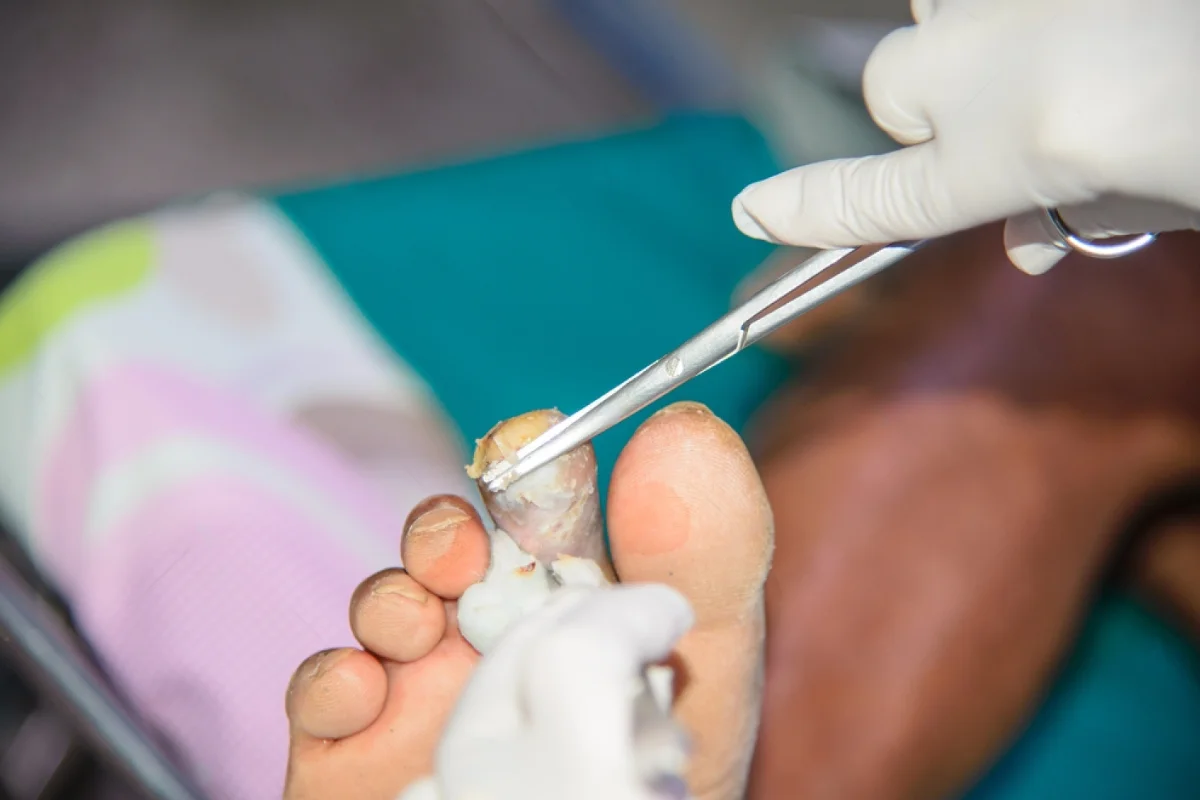
Foot necrosis is a serious medical condition that occurs when tissue in the foot dies due to inadequate blood supply, infection, injury, or other forms of severe damage. Although the condition may begin with a seemingly small wound or change in skin appearance, the underlying problem can sometimes be much more extensive. Reduced circulation can prevent tissues from receiving the oxygen and nutrients they need to survive and repair themselves. Severe infections can also destroy tissue and spread into surrounding structures if they are not treated promptly. People with diabetes, vascular conditions, or reduced sensation may face a greater risk of developing serious foot complications. Recognizing unusual changes in the feet can help encourage timely medical evaluation. Understanding the causes, warning signs, diagnosis, treatment, and prevention of foot necrosis can help readers recognize when professional care may be necessary.
How Foot Necrosis Affects the Body
Tissues throughout the foot depend on healthy blood circulation to remain alive and functional. Arteries carry oxygen-rich blood to the skin, muscles, nerves, and other structures. When blood flow becomes severely restricted, cells may begin to suffer from oxygen deprivation. If the problem continues, some tissue may become permanently damaged and die. Infection can create another pathway to tissue destruction by releasing harmful substances and triggering significant inflammation. Severe trauma can also directly damage tissue or interrupt the blood vessels supplying an injured area. Foot necrosis therefore represents the result of serious tissue damage rather than a single underlying disease.
The extent of necrosis can differ significantly from one person to another. In some situations, only a small section of skin may be affected. In more advanced cases, the damage may extend into soft tissue, muscles, tendons, joints, or bones. The appearance of affected tissue can also vary depending on whether circulation loss, infection, or trauma is responsible. A healthcare professional may need to perform several examinations and tests to determine the extent of the problem. Because dead tissue cannot normally regenerate into healthy tissue, protecting viable tissue becomes an important medical goal. Early evaluation can help identify the cause and determine whether intervention is needed.
Common Causes Behind Foot Necrosis
Poor blood circulation is an important contributor to tissue death in the foot. Peripheral artery disease can cause arteries to become narrowed or blocked, reducing blood flow to the lower limbs. In severe cases, the tissues may not receive enough oxygen to remain healthy. Poor circulation can also make existing wounds difficult to heal. Diabetes may increase this risk because it can affect blood vessels and nerves. When circulation problems and nerve damage occur together, a person may develop a wound without noticing it. Continued pressure, infection, and delayed treatment can then increase the likelihood of serious tissue damage.
Severe infections are another potential cause of foot necrosis. Bacteria can enter damaged skin and multiply within the tissue. As infection progresses, inflammation and swelling may interfere further with circulation. Some infections can spread quickly and cause extensive tissue destruction. Symptoms may include increasing redness, warmth, swelling, drainage, unpleasant odor, and worsening pain. Fever or a general feeling of illness can also indicate that an infection has become more serious. A potentially infected foot wound should receive professional medical attention rather than relying only on home treatment.
The Connection Between Diabetes and Foot Tissue Damage
Diabetes can create several conditions that make the feet more vulnerable to serious wounds and tissue damage. One major concern is diabetic neuropathy, which can reduce sensation in the feet. A person with reduced sensation may not notice a blister, cut, pressure injury, or burn. Repeated walking on an unnoticed injury can cause additional damage. Diabetes can also affect circulation and make wounds slower to heal. When bacteria enter a wound, the body’s ability to respond effectively may be compromised in some people with diabetes. These factors can work together and increase the risk of severe infection and tissue death.
Regular foot monitoring can help people with diabetes identify problems earlier. Feet should be inspected for cuts, blisters, cracks, swelling, unusual color, pressure areas, and wounds. The soles and areas between the toes should not be overlooked. People who have difficulty seeing or reaching their feet may need assistance from a trusted caregiver or healthcare professional. Proper footwear can help prevent friction and pressure-related injuries. Medical advice should be sought when a wound does not heal normally or shows signs of infection. Consistent foot care can play an important role in reducing the risk of serious complications.
Signs That May Indicate Foot Necrosis
Changes in skin color can be a noticeable warning sign of significant tissue damage. Depending on the cause, affected tissue may become pale, bluish, purple, gray, brown, or black. The foot may also become unusually cold when blood flow is severely reduced. Pain may occur, particularly with circulation problems or infection, but not everyone experiences significant discomfort. Numbness or loss of sensation can occur when nerves are affected. Swelling, skin breakdown, blisters, or open wounds may also appear. Drainage or an unpleasant odor can indicate that infection is present alongside tissue damage.
The condition of an existing wound can also provide important information. A wound that becomes darker, larger, more swollen, or more painful deserves medical attention. Slow healing can be associated with circulation problems, infection, pressure, diabetes, or other health conditions. Sudden changes in sensation or temperature can also be concerning. People should not assume that the absence of severe pain means the problem is minor. Nerve damage can prevent a person from feeling injuries that are becoming increasingly serious. Any suspicious or rapidly changing foot problem should be evaluated by an appropriate healthcare professional.
Who May Face a Greater Risk?
People with diabetes are among those who may need to pay particular attention to foot health. Reduced sensation and circulation problems can make it easier for wounds to develop and harder for them to heal. Individuals with peripheral artery disease may also have an increased risk because their feet may not receive sufficient blood flow. People who have previously experienced foot ulcers or serious infections may require ongoing monitoring. Severe injuries, including crushing injuries and burns, can directly damage tissue and blood vessels. Prolonged pressure on one part of the foot may also contribute to tissue breakdown. Recognizing these risk factors can help individuals and healthcare providers develop appropriate preventive strategies.
Lifestyle and environmental factors may also influence foot health. Poorly fitting shoes can cause repeated pressure and friction. Walking barefoot can increase the risk of cuts, punctures, burns, and other injuries. Smoking can negatively affect vascular health and may contribute to circulation problems. Limited mobility can increase pressure on certain parts of the feet and make regular inspection more difficult. People with reduced sensation may need additional precautions because they may not recognize injuries immediately. A combination of medical and lifestyle risk factors can make preventive care particularly important.
How Foot Necrosis Is Diagnosed
Medical diagnosis usually begins with a detailed examination of the foot. A healthcare professional may assess the skin, temperature, color, swelling, wounds, sensation, and circulation. Medical history is also important because conditions such as diabetes, peripheral artery disease, previous infections, and recent injuries can provide important clues. Blood flow may be evaluated through physical examination and specialized vascular testing. Blood tests can help identify signs of infection or inflammation. If deeper tissue involvement is suspected, imaging may be recommended. The goal is to determine both the cause and extent of the tissue damage.
Different diagnostic tools provide different types of information. An ultrasound may help evaluate blood flow through blood vessels. X-rays can help identify certain bone abnormalities and may provide information about deeper infection. CT scans or MRI may be used when healthcare professionals need a more detailed assessment of soft tissue, muscles, or bones. If infection is suspected, a sample from a wound may be examined to help identify the responsible microorganisms. The results of these evaluations can guide treatment decisions. Because foot necrosis can have several causes, a thorough assessment is often necessary before selecting a treatment plan.
Medical Treatment for Foot Necrosis
Treatment depends on the cause, severity, location, and amount of tissue involved. When inadequate circulation is responsible, improving blood flow may be an important priority. A vascular specialist may determine whether medication, a procedure, or another intervention is appropriate. When infection is present, antibiotics may be used to target the responsible microorganisms. Severe infections may require hospitalization and intravenous medication. Wound care can help protect affected tissue from additional injury and contamination. Treatment should always be individualized according to the person’s medical condition.
When tissue has become dead, healthcare professionals may recommend debridement to remove nonviable tissue. This procedure can help manage the wound and allow the medical team to evaluate the surrounding tissue. If the damage is extensive, surgery may be required. In particularly severe situations, amputation may become necessary when tissue cannot be preserved or infection poses a major threat to the person’s health. The extent of surgery depends on how much viable tissue remains and whether the underlying problem can be controlled. Medical teams generally aim to preserve healthy tissue whenever it can be done safely. Patients should not attempt to remove dead or discolored tissue themselves because this can cause bleeding, infection, and additional injury.
Why Prompt Care Is So Important
Serious foot problems can worsen when medical care is delayed. A circulation problem may continue depriving tissue of oxygen, allowing damage to become more extensive. An untreated infection can spread from the skin into deeper tissues. In some cases, infection can reach bones or enter the bloodstream. Advanced tissue damage can require more complex treatment than an earlier problem might have required. Prompt evaluation gives healthcare professionals an opportunity to identify potentially reversible causes and protect tissue that remains healthy. This is especially important for people who already have diabetes, vascular disease, or reduced sensation.
Some people may hesitate to seek care because they believe a wound will heal naturally. This approach can be risky when the foot has unusual discoloration, reduced sensation, swelling, or other concerning changes. A person may not feel serious tissue damage if nerve function is impaired. Even a small wound can become problematic when circulation is poor or infection develops. Rapidly worsening symptoms deserve particularly prompt attention. Professional evaluation is safer than trying to determine the severity of tissue damage without medical equipment and expertise. Early care may help reduce the likelihood of severe complications.
Potential Complications of Foot Necrosis
Foot necrosis can cause significant complications when the underlying problem is not addressed. Infection may spread into surrounding skin and soft tissues. Deeper infections can involve muscles, joints, or bones and may require more intensive treatment. In severe circumstances, bacteria can enter the bloodstream and contribute to sepsis. Extensive tissue loss may affect mobility and the ability to perform everyday activities. Surgical removal of damaged tissue may become necessary when the affected area cannot be preserved. The seriousness of these complications depends on the cause, extent of tissue damage, and speed of treatment.
The risk of complications can be influenced by a person’s overall health. Diabetes and poor circulation can make wound healing more difficult. Reduced immune function may make certain infections harder to control. Continued pressure or repeated injury can prevent damaged tissue from recovering. Medical follow-up allows healthcare professionals to monitor progress and identify changes that require additional treatment. Patients should report increasing pain, swelling, discoloration, drainage, odor, fever, or other worsening symptoms. Consistent medical management can help address problems before they become more extensive.
Steps That Can Help Protect Foot Health
Preventing serious tissue damage begins with managing conditions that affect circulation, sensation, and healing. People with diabetes should follow their healthcare provider’s recommendations for blood glucose management and foot care. Individuals with vascular conditions should receive appropriate monitoring and treatment. Regular foot inspections can reveal injuries before they become more serious. Shoes should fit properly and should not create excessive pressure or friction. Feet should be protected from sharp objects, burns, extreme temperatures, and other hazards. People with reduced sensation should be especially careful because injuries may occur without causing noticeable pain.
Wound care should also be approached carefully. A minor cut or blister should be monitored for changes rather than ignored. Wounds that become increasingly red, swollen, painful, discolored, or draining should receive professional attention. People with diabetes or poor circulation may need to contact a healthcare professional sooner rather than later when a wound develops. Sharp instruments should not be used to cut away calluses, damaged skin, or suspected necrotic tissue without medical guidance. Regular appointments can help identify risk factors that may not be obvious during daily activities. Combining preventive foot care with appropriate medical management can reduce the likelihood of serious tissue complications.
When Foot Necrosis May Be an Emergency
Certain symptoms require urgent attention because they may indicate severe circulation loss, infection, or rapidly progressing tissue damage. Sudden severe foot pain accompanied by coldness, pale skin, blue discoloration, or numbness can be especially concerning. Rapidly changing skin color or extensive tissue discoloration should also be assessed promptly. Severe swelling, foul-smelling drainage, pus, or rapidly increasing pain may indicate a serious infection. Fever, confusion, extreme weakness, or feeling severely ill alongside a foot wound can signal a potentially dangerous infection. People with diabetes should not ignore new or worsening wounds even when pain is minimal. When symptoms are severe or rapidly progressing, emergency medical evaluation may be appropriate.
Home treatment should not involve cutting, scraping, or removing suspected dead tissue. Such actions can cause uncontrolled bleeding and introduce additional bacteria into damaged tissue. Applying unapproved substances to an open wound can also complicate professional treatment. A healthcare professional can determine whether the tissue is necrotic and whether infection or circulation problems are contributing to the condition. They can also determine whether deeper tissues are involved. Prompt evaluation can help guide treatment based on the actual cause rather than the appearance alone. When in doubt about a rapidly worsening foot problem, seeking professional medical care is the safer option.
Frequently Asked Questions About Foot Necrosis
What is foot necrosis?
Foot necrosis refers to tissue death occurring within part of the foot. It can develop because of severe circulation problems, infection, trauma, prolonged pressure, or other forms of tissue damage. The affected area may involve the skin or extend deeper into muscles, joints, or bones. Symptoms can vary widely depending on the underlying cause. Changes in skin color, temperature, sensation, and wound appearance may occur. A healthcare professional must evaluate the foot to determine the exact cause and severity.
What are the earliest signs of foot necrosis?
Early signs can vary depending on the condition responsible for the tissue damage. Unusual skin color, persistent coldness, numbness, unexplained pain, or a wound that does not heal may be warning signs. Changes in an existing wound can also indicate worsening tissue health. Some people may experience few symptoms because of reduced sensation. This makes regular inspection particularly important for people with diabetes or circulation problems. Concerning changes should be assessed by a healthcare professional.
Can poor circulation cause foot necrosis?
Severely restricted blood flow can prevent tissues from receiving sufficient oxygen and nutrients. If the circulation problem persists, tissue can become damaged and eventually die. Peripheral artery disease is one condition that can contribute to reduced blood flow in the feet. Poor circulation can also slow wound healing and increase vulnerability to infection. Symptoms may include coldness, unusual color, pain, or non-healing wounds. Medical evaluation can determine whether circulation is contributing to the problem.
Can a diabetic foot wound lead to necrosis?
A diabetic foot wound can become serious when it is not recognized or treated appropriately. Nerve damage may prevent a person from noticing the original injury. Poor circulation can then interfere with healing, while infection may cause further tissue destruction. In severe circumstances, these problems can contribute to foot necrosis. Regular foot inspections and appropriate medical care can help reduce this risk. People with diabetes should seek professional attention for wounds that worsen or fail to heal.
Is black skin always a sign of necrosis?
Black skin is not automatically proof of necrosis. Different injuries and medical conditions can cause dark discoloration. However, black or rapidly darkening tissue can be a warning sign of serious tissue damage and should be evaluated. Additional symptoms such as coldness, numbness, swelling, drainage, odor, or severe pain can increase concern. A medical examination is necessary to determine the cause. It is safer to have unexplained black discoloration assessed than to assume it is harmless.
Can foot necrosis be treated without surgery?
Some cases may be managed without extensive surgery, depending on the underlying cause and the amount of tissue affected. Treatment may include improving circulation, managing infection, and providing specialized wound care. However, dead tissue may sometimes need to be removed through debridement or another surgical procedure. Severe cases can require more extensive surgery. The treatment approach depends on individual clinical findings. A healthcare professional can determine which options are appropriate.
Can foot necrosis lead to amputation?
Amputation can sometimes be necessary when extensive tissue has died or when a serious infection cannot be controlled. Medical teams generally assess whether healthy tissue can be preserved before determining the extent of surgery. Circulation, infection, tissue viability, and overall health can all influence the decision. Not every person with foot necrosis requires amputation. Earlier treatment may provide a better opportunity to control the underlying problem and preserve viable tissue. Treatment decisions should always be made with an appropriate medical team.
How can foot necrosis be prevented?
Risk reduction involves protecting the feet and managing underlying health conditions. People with diabetes should follow recommended foot-care and blood glucose management practices. Individuals with circulation problems should receive appropriate medical monitoring. Regular foot inspections can help identify wounds and discoloration early. Proper footwear can reduce pressure and friction, while protecting the feet can reduce injury risk. Prompt attention to wounds and unusual changes can also reduce the chance of serious progression.
When should someone seek medical attention for a foot wound?
Medical attention is especially important when a wound becomes increasingly painful, swollen, discolored, warm, or associated with drainage. A wound that does not heal normally should also be evaluated. Sudden coldness, numbness, or significant changes in foot color can indicate an urgent circulation problem. People with diabetes or reduced sensation should generally have a lower threshold for seeking professional care. Fever or feeling seriously ill alongside a foot wound may require urgent evaluation. Rapidly worsening symptoms should never be ignored.
Takeaway
Foot necrosis is a serious form of tissue damage that can develop when circulation is severely reduced, infection destroys tissue, or an injury causes extensive damage. Diabetes, peripheral artery disease, reduced sensation, chronic wounds, and severe injuries can increase the risk. Warning signs may include unusual skin discoloration, coldness, numbness, pain, swelling, open wounds, drainage, or changes in wound appearance. Because symptoms can vary and pain may be absent in people with nerve damage, visual inspection and timely medical assessment are important. Diagnosis may involve a physical examination, circulation testing, laboratory tests, wound evaluation, and imaging. Treatment depends on the cause and may include infection management, wound care, restoration of blood flow, removal of nonviable tissue, or surgery. Anyone experiencing rapidly worsening foot changes or signs of severe infection should seek appropriate medical care promptly.