Why Vitreo Retina Management Matters for Your Vision
Vitreo Retina Management plays a central role in preserving sight by addressing conditions that affect the vitreous and retina, two vital structures within the eye. These components are responsible for capturing light and converting it into signals that the brain can interpret as images. When either structure is compromised, vision can quickly become distorted, blurred, or even permanently impaired. This is why timely care and specialized treatment are essential. Many retinal conditions develop silently, progressing without noticeable symptoms until significant damage has already occurred. Through proper Vitreo Retina Management, these issues can often be detected early and treated effectively. The growing demand for this specialized care reflects an increasing awareness of how important eye health is to overall well-being. With access to modern medical advancements, patients now have better opportunities to maintain clear and functional vision.
Exploring the Structure of the Vitreous and Retina
The vitreous and retina work together in a delicate balance that supports visual clarity. The vitreous is a clear, gel-like substance that fills the eye and helps maintain its shape while allowing light to pass through unobstructed. As individuals age, the vitreous can shrink or change consistency, sometimes pulling away from the retina and causing visual disturbances. The retina, located at the back of the eye, is a highly specialized layer of tissue that processes light and sends visual information to the brain. It contains photoreceptor cells known as rods and cones, which are responsible for detecting light intensity and color. The macula, a small but crucial area within the retina, provides sharp central vision needed for detailed tasks. Any disruption in the relationship between the vitreous and retina can lead to significant vision problems. Understanding this structure highlights the importance of effective Vitreo Retina Management.
Conditions Commonly Treated in Vitreo Retina Management
A wide range of eye disorders fall under Vitreo Retina Management, many of which require immediate attention to prevent vision loss. Retinal detachment is one of the most serious conditions, occurring when the retina separates from its underlying layer, often resulting in sudden vision changes. Diabetic retinopathy is another major concern, especially for individuals with long-standing diabetes, as it damages retinal blood vessels. Macular degeneration primarily affects central vision and is more common in older adults. Vitreous hemorrhage involves bleeding within the eye, which can obscure vision and require urgent care. Conditions such as macular holes and epiretinal membranes can distort vision and reduce clarity over time. These disorders often develop gradually, making routine eye exams essential for early detection. Proper Vitreo Retina Management ensures that these conditions are identified and treated before they cause irreversible damage.
Diagnostic Tools Used in Vitreo Retina Management
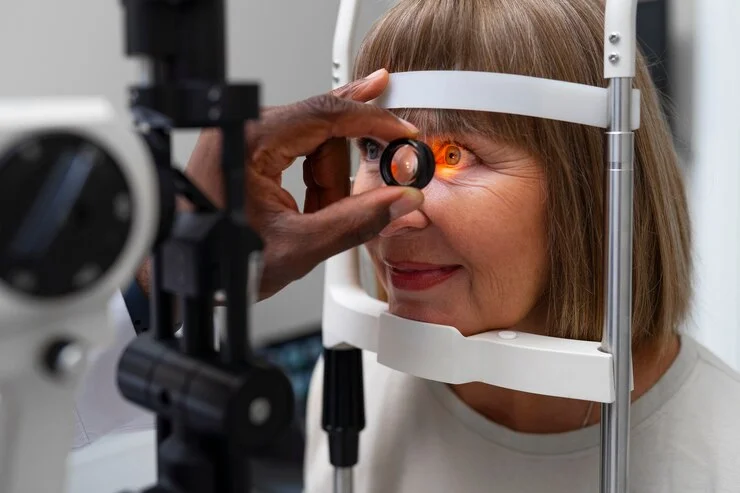
Accurate diagnosis is the foundation of effective Vitreo Retina Management, and modern technology has greatly enhanced the ability to detect retinal conditions. Comprehensive eye examinations typically include visual acuity tests and pupil dilation to allow a clear view of the retina. Optical Coherence Tomography provides detailed images of the retina’s layers, helping specialists identify even subtle abnormalities. Fundus photography captures high-resolution images of the retina, which can be used to monitor changes over time. Fluorescein angiography is another important tool that highlights blood flow in the retina, revealing leaks or blockages. Ultrasound imaging is particularly useful when the view of the retina is obstructed by bleeding or other factors. These diagnostic techniques allow for precise evaluation and personalized treatment planning. With early detection, patients have a much higher chance of successful treatment outcomes.
Treatment Methods in Vitreo Retina Management
Vitreo Retina Management includes a variety of treatment options designed to address different retinal conditions effectively. Medical treatments often involve injections that help control abnormal blood vessel growth and reduce swelling in the retina. Steroid medications may also be used to manage inflammation and improve visual outcomes. Laser therapy is commonly used to repair retinal tears or treat conditions like diabetic retinopathy by sealing damaged blood vessels. Vitrectomy surgery is a more advanced procedure that involves removing the vitreous gel and replacing it with a clear solution to restore vision. Cryotherapy, which uses controlled freezing, is another option for treating certain retinal conditions. In many cases, a combination of treatments is required to achieve the best results. These approaches aim to stabilize vision, prevent further damage, and improve overall eye health.
Practical Steps to Support Vitreo Retina Management
Maintaining good eye health requires consistent effort and awareness of daily habits that can influence vision. Individuals who take a proactive approach to their health are more likely to detect issues early and benefit from timely treatment. Supporting Vitreo Retina Management involves both medical care and lifestyle adjustments that promote overall well-being. By making informed choices, individuals can significantly reduce their risk of developing serious retinal conditions. The following practices can help protect and maintain retinal health:
- Attend regular eye check-ups to monitor changes in vision
- Keep chronic conditions like diabetes and hypertension under control
- Eat foods rich in vitamins A, C, and E to support eye health
- Stay hydrated and maintain overall physical wellness
- Avoid smoking, which increases the risk of retinal damage
- Use protective eyewear in environments with potential hazards
- Reduce eye strain by limiting screen time and practicing the 20 20 20 rule
Incorporating these habits into daily life can make a meaningful difference in preserving vision and supporting long-term eye health.
Breakthroughs in Vitreo Retina Management
The field of Vitreo Retina Management continues to evolve with advancements that improve both diagnosis and treatment. Modern imaging systems provide clearer and more detailed views of the retina, allowing for earlier detection of diseases. Minimally invasive surgical techniques have reduced recovery times and improved patient comfort. New medications are being developed to offer longer-lasting effects, minimizing the need for frequent treatments. Artificial intelligence is also being integrated into eye care, helping specialists analyze data and detect conditions with greater accuracy. These innovations are transforming how retinal diseases are managed, making care more efficient and accessible. Ongoing research continues to push the boundaries of what is possible in eye care. As technology advances, patients can expect even better outcomes and improved quality of life.
Understanding Potential Risks in Vitreo Retina Management
While treatments in Vitreo Retina Management are generally safe, it is important to be aware of potential risks. Surgical procedures may involve complications such as infection, bleeding, or changes in eye pressure. Some patients may experience temporary discomfort or visual disturbances following treatment. Injections and laser therapies are typically well tolerated but can have minor side effects. Following medical advice and attending follow-up appointments are essential for minimizing risks. Choosing a qualified and experienced specialist plays a significant role in ensuring successful outcomes. Patients should communicate openly with their healthcare provider about any concerns. Being informed helps individuals feel more confident and prepared for their treatment journey.
The Patient Journey in Vitreo Retina Management
The experience of undergoing Vitreo Retina Management involves several stages, each designed to ensure effective care and recovery. Patients usually begin with a thorough evaluation to determine the best treatment approach. Most procedures are performed with local anesthesia, making them relatively comfortable and manageable. Recovery times vary depending on the type of treatment, with some patients returning to normal activities quickly while others require more time. Doctors often provide specific instructions to support healing and protect the eye during recovery. Vision improvements may occur gradually, depending on the condition being treated. Emotional support is also important, as vision issues can impact daily life and confidence. With proper care and follow-up, many patients achieve positive results and improved vision.
Selecting the Best Specialist for Vitreo Retina Management
Choosing the right specialist is a crucial step in achieving effective Vitreo Retina Management. Patients should look for ophthalmologists with specialized training in retinal conditions and access to advanced medical technology. Experience and a strong track record of successful treatments are important factors to consider. A good specialist will communicate clearly and provide detailed explanations of treatment options. Personalized care plans tailored to individual needs can lead to better outcomes. Patients should feel comfortable asking questions and discussing any concerns they may have. Building trust with a healthcare provider enhances the overall treatment experience. Making an informed decision ensures that patients receive high-quality care and support throughout their journey.
FAQ
What is Vitreo Retina Management?
Vitreo Retina Management focuses on diagnosing and treating conditions that affect the vitreous and retina, which are essential for vision.
Who should seek Vitreo Retina Management?
Anyone experiencing symptoms like floaters, flashes, blurred vision, or individuals with diabetes or a family history of eye disease should seek evaluation.
Are retinal diseases curable?
Some retinal conditions can be treated effectively, while others can be managed to prevent further progression and preserve vision.
Is retinal surgery painful?
Most retinal procedures are performed with local anesthesia, making them relatively comfortable for patients.
How can I protect my retinal health?
Maintaining a healthy lifestyle, managing chronic conditions, and attending regular eye exams are key steps.
How long does recovery take after treatment?
Recovery time varies depending on the procedure and the severity of the condition.
What are common warning signs of retinal problems?
Symptoms include flashes of light, floaters, blurred vision, and dark shadows in the field of vision.
Takeaway
Vitreo Retina Management is essential for maintaining clear vision and addressing conditions that affect the deeper structures of the eye. With early detection, advanced treatments, and consistent care, many retinal diseases can be effectively managed. Staying proactive through regular check-ups and healthy habits plays a major role in protecting long-term eye health. Understanding available treatment options and seeking professional guidance can significantly improve outcomes. By prioritizing eye care and making informed decisions, individuals can safeguard their vision and enjoy a better quality of life.