
Pain, tightness, or fear connected with vaginal penetration can affect medical exams, tampon use, sexual activity, relationships, and personal confidence. These symptoms may feel isolating, yet help is available. Treatment for vaginismus often focuses on calming protective muscle tension, improving pelvic floor control, reducing pain sensitivity, and helping each person move at a comfortable pace.
Vaginismus involves automatic tightening of muscles around the vaginal opening when penetration is attempted or expected. The response is not voluntary, and it is not a sign that someone is weak, difficult, or unwilling. A thoughtful care plan may include medical evaluation, pelvic floor physical therapy, education, relaxation practice, gradual exposure, counseling, or support from several qualified providers.
Osteopractic Physical Therapy of Central Indiana serves active people from Fishers, Indiana, and nearby communities through a natural healing and strengthening approach. Care starts with listening, careful assessment, and a plan based on symptoms, history, physical restrictions, and personal goals. For anyone seeking treatment for vaginismus, respect, privacy, consent, and clear communication should guide every step.
What Is Vaginismus?
Vaginismus is a condition marked by uncontrolled tightening of muscles near the vaginal entrance. Tightening may occur before or during attempted penetration. Some people notice mild discomfort, while others experience burning, stinging, pressure, sharp pain, or complete inability to tolerate penetration.
Symptoms may appear during sexual activity, tampon placement, a pelvic examination, or use of a vaginal medication. A person may want penetration yet still experience an automatic tightening response. That reaction can create frustration or shame, but vaginismus is a recognized health concern that deserves professional care.
Vaginismus may develop before any comfortable penetration has occurred, or symptoms may begin after a period without pain. Past painful experiences, childbirth, surgery, pelvic injury, hormonal changes, fear of pain, stress, or another pelvic condition may contribute. Sometimes no single cause can be found.
A medical assessment matters because vaginal pain may also relate to infection, skin conditions, endometriosis, vulvodynia, tissue irritation, scar sensitivity, vaginal dryness, nerve pain, or other concerns. Proper treatment for vaginismus starts with understanding all possible contributors rather than assuming every case has the same cause.
Common Signs That May Point to Vaginismus
Vaginismus can affect people differently. Common signs may include:
- Pain or tightness during attempted vaginal penetration
- Difficulty using tampons
- Fear or distress before a pelvic examination
- Burning, stinging, pressure, or muscle spasm near the vaginal opening
- Automatic tightening during sexual activity
- Avoidance of intimacy because pain is expected
- Difficulty tolerating a finger, medical instrument, or vaginal medication
- Pelvic muscle soreness after an attempted examination or sexual activity
Some people also report low back, hip, abdominal, or pelvic tension. These symptoms do not prove that vaginismus is present, but they may support a closer assessment by a gynecologist, pelvic health physical therapist, or another qualified professional.
Why Can Vaginismus Develop?
The body often tightens muscles to guard an area that feels painful, threatened, or unsafe. Such guarding can be useful after an injury, yet ongoing protection may keep pelvic floor muscles tense even after the original trigger has passed.
Pain can also create a repeating cycle. A painful attempt may lead to worry about another attempt. Worry may increase muscle tension, and added tension may make pain more likely. Over time, the body may react before penetration begins.
Possible contributors may include prior painful sex, difficult medical exams, childbirth trauma, pelvic surgery, sexual trauma, relationship stress, limited knowledge about pelvic anatomy, fear connected with pregnancy or pain, and other health conditions. No person should be blamed for these responses.
Treatment for vaginismus should consider physical, emotional, and medical factors. Some people mainly need help with muscle relaxation and movement. Others may benefit from counseling, sex therapy, medical treatment, or coordinated support alongside physical therapy.
How Pelvic Floor Muscle Tension Affects Pain
Pelvic floor muscles support the bladder, bowel, uterus, and surrounding structures. They also help with urinary control, bowel control, sexual function, core support, and pressure management.
Healthy pelvic floor muscles need more than strength. They must tighten when needed, relax when appropriate, and coordinate with breathing, abdominal muscles, hips, and the spine. A pelvic floor that stays tense may have trouble lengthening enough for comfortable penetration.
Many people assume pelvic floor exercises always mean repeated squeezing. That approach may not suit someone whose muscles already hold too much tension. Treatment for vaginismus may place greater attention on relaxation, gentle lengthening, body awareness, breathing, and controlled release before any strengthening work begins.
Hip stiffness, abdominal bracing, shallow breathing, or low back tension may also affect pelvic floor behavior. A whole-body assessment can help identify movement patterns that may add pressure or guarding around the pelvis.
How Physical Therapy May Support Treatment for Vaginismus
Physical therapy may help address muscle tension, movement restrictions, breathing patterns, pain responses, and reduced pelvic floor control. Care should always match the person’s comfort level and clinical needs.
A Private and Respectful Assessment
A first visit often starts with conversation. The therapist may ask about symptoms, medical history, pain triggers, daily activities, prior care, and personal goals. Questions may cover tampon use, medical exams, sexual pain, bladder or bowel symptoms, childbirth history, surgery, and movement concerns.
A movement assessment may review breathing, posture, hip mobility, low back motion, abdominal control, and muscle tension around the pelvis. Any pelvic examination requires clear permission. A patient may ask questions, pause, change position, or decline any part of care.
Consent is not a one-time event. It should remain active throughout every session. Respectful treatment for vaginismus gives the patient control over pace, goals, and acceptable techniques.
Breathing and Pelvic Floor Relaxation
Slow diaphragmatic breathing may help reduce bracing around the abdomen and pelvis. As the diaphragm moves, the pelvic floor may learn to lengthen and release more naturally.
A therapist may teach breathing positions that feel secure, such as lying with knees supported, side-lying, or sitting comfortably. Practice may pair a gentle breath with awareness of the pelvic floor softening rather than forcing the muscles downward.
Body awareness can be difficult at first, especially when tension has felt normal for months or years. Regular, brief practice may help a person notice the difference between tightening, holding, and releasing.
Manual Therapy and Soft-Tissue Care
Some physical therapy plans may use gentle hands-on care for muscles around the hips, abdomen, low back, inner thighs, or pelvic area. The goal may be to reduce tenderness, improve tissue movement, and help the nervous system feel safer with touch.
Pelvic techniques should only be provided by a properly trained professional and only after clear consent. No technique should be forced. Communication about pressure, discomfort, anxiety, or pain should continue throughout the session.
Treatment for vaginismus does not need to begin with direct pelvic contact. External work, breathing, education, and movement may come first based on patient preference and therapist judgment.
Hip, Core, and Pelvic Mobility
Restricted hip motion or constant abdominal gripping may add strain around the pelvic floor. Gentle exercises can support better movement across the hips, spine, ribs, and pelvis.
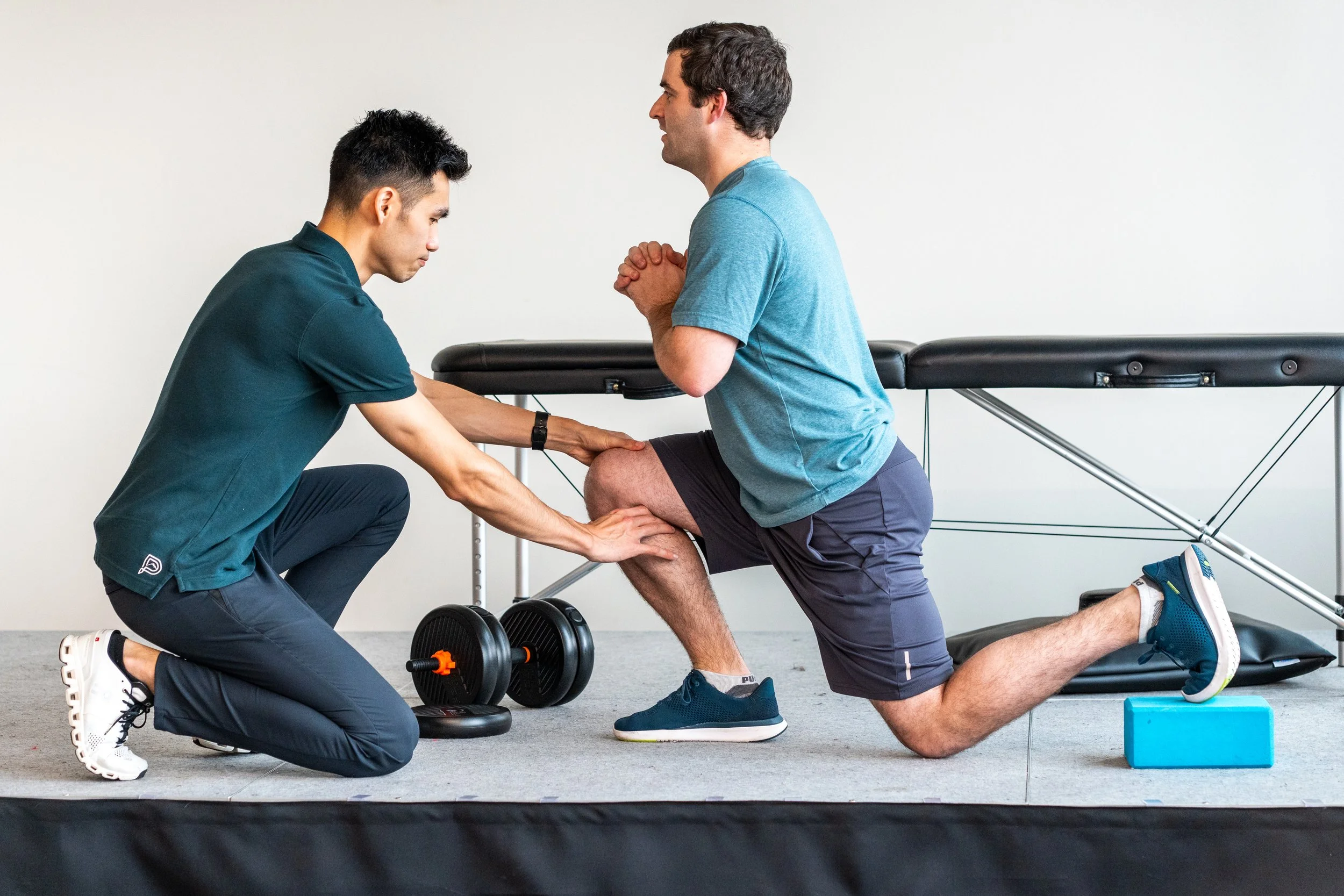
A therapist may select positions that reduce guarding while building control. Exercise should not be used as a test of toughness. The purpose is to create safer, easier movement and support better coordination.
Osteopractic Physical Therapy of Central Indiana uses biomechanical assessment to look for possible causes rather than focusing only on symptoms. Such an approach can help connect pelvic concerns with breathing, hip motion, spinal movement, and whole-body function.
Gradual Exposure and Dilator Guidance
Vaginal dilators are smooth tools available through several sizes. A qualified provider may suggest them as part of treatment for vaginismus. Their purpose is gradual practice with relaxation, comfort, and control rather than pushing through pain.
Dilator work usually starts with a size that feels manageable. Breathing, positioning, lubrication, and a calm setting may support comfort. Progress should depend on tolerance, not a rigid deadline.
Pain is not proof that the exercise is working. Sharp pain, worsening symptoms, bleeding, or strong distress are reasons to stop and speak with a healthcare professional. Dilators are not required for every person, and they should not be used without suitable guidance when medical concerns remain unclear.
A Practical Home Program
Home practice may include breathing, pelvic floor release, gentle mobility, posture changes, symptom tracking, or gradual exposure. A useful plan should fit daily life and avoid excessive pressure.
Small, repeatable steps often work better than occasional intense sessions. Progress may mean less fear, easier relaxation, improved comfort with touch, better tolerance for a medical exam, or reduced pain during sexual activity.
Setbacks can happen. Stress, hormonal shifts, fatigue, illness, or a painful attempt may temporarily raise symptoms. A therapist can adjust the plan so practice remains safe and manageable.
What to Expect During a First Physical Therapy Visit
A first appointment for treatment for vaginismus should feel respectful and unhurried. The therapist may begin by discussing what brings you to care, what activities are difficult, and what goals matter most.
You may receive education about pelvic floor function, muscle guarding, pain sensitivity, and breathing. The therapist may assess posture, hip motion, spinal mobility, abdominal tension, or movement patterns. Any more personal assessment should be discussed beforehand and should only proceed with permission.
Your first plan may focus on one or two simple skills. These could include a breathing exercise, a comfortable resting position, gentle hip mobility, or a way to track symptoms. Clear instructions can help make home practice less confusing.
You should also have space to ask about treatment choices, expected progress, privacy, clothing, examination options, and communication during visits.
How Long Can Treatment for Vaginismus Take?
No single timeline applies to everyone. Some people notice changes after several visits, while others need longer support. Progress may depend on symptom duration, pain intensity, muscle tension, medical conditions, emotional stress, prior experiences, and consistency with home practice.
Recovery should not be measured only by whether penetration occurs. Early goals may include understanding the condition, feeling safer during care, noticing muscle tension, learning to release the pelvic floor, or reducing fear before an examination.
Later goals may include comfortable tampon use, better tolerance for a pelvic exam, pain-free intimacy, or return to activities limited by pelvic discomfort. Treatment for vaginismus should reflect personal goals rather than outside expectations.
Why Coordinated Care May Be Helpful
Vaginismus may involve several parts of health. A gynecologist can check for infection, tissue changes, skin conditions, hormonal concerns, and other medical causes. A pelvic health physical therapist can assess muscle function, movement, and pain responses. A counselor or sex therapist may help with fear, trauma, anxiety, communication, or relationship concerns.
Some people need support from only one provider. Others do better with a coordinated team. Referrals should reflect the person’s symptoms, preferences, and goals.
Physical therapy does not replace medical evaluation when symptoms suggest another condition. It can work alongside medical care as one part of treatment for vaginismus.
When Should Someone Seek Medical Evaluation?
Prompt medical care is important when pelvic pain appears with unexplained bleeding, unusual discharge, fever, sores, skin changes, strong odor, urinary problems, bowel changes, or pain after surgery, childbirth, or injury.
A healthcare professional should also assess pain that becomes severe, worsens quickly, interrupts sleep, or limits normal activity. New symptoms after menopause, cancer treatment, or a major health change also deserve medical review.
Anyone unsure about the cause of pain should seek professional guidance before starting dilator work or intensive pelvic exercises.
Choosing Osteopractic Physical Therapy of Central Indiana
People seeking treatment for vaginismus deserve care that values dignity, privacy, and personal choice. Osteopractic Physical Therapy of Central Indiana supports patients through careful assessment, natural healing methods, strength work, movement education, and long-term physical wellness.
The clinic’s approach starts by looking for possible causes of pain through a comprehensive biomechanical assessment. Therapists consider symptoms, medical history, physical restrictions, and personal goals before creating a care plan.
OPTCI also focuses on helping patients move beyond short-term symptom relief. Once current concerns improve, therapy may shift toward better movement, prevention, and lasting physical function.
Because vaginismus care requires specific pelvic health training, prospective patients should confirm that the appropriate pelvic health service and qualified provider are available. A consultation can also help determine whether physical therapy fits the current care plan or whether a medical referral should come first.
Helpful Habits That May Support Treatment
Treatment for vaginismus often works best when home habits support the same goals as therapy. Helpful steps may include:
- Practice slow breathing as directed by your therapist.
- Avoid forcing penetration or pushing through sharp pain.
- Track symptoms, triggers, stress, and small improvements.
- Use comfortable positions that support pelvic relaxation.
- Follow professional guidance for dilator use.
- Speak openly with a partner when doing so feels safe.
- Allow recovery time after a flare.
- Ask for exercise changes whenever pain rises.
- Keep medical appointments when new symptoms appear.
- Focus on progress rather than speed.
Compassion toward yourself matters. Symptoms are not a failure, and recovery does not need to follow someone else’s schedule.
Frequently Asked Questions About Treatment for Vaginismus
Can Vaginismus Be Treated?
Yes. Many people improve with care matched to their symptoms and goals. Treatment for vaginismus may include pelvic floor physical therapy, education, relaxation practice, gradual exposure, counseling, medical care, or several approaches used together.
Can Pelvic Floor Physical Therapy Help Vaginismus?
Pelvic floor physical therapy may help reduce muscle guarding, improve relaxation, support better coordination, address related hip or back tension, and build comfort with movement or touch. Results vary, so assessment should guide the plan.
Does Physical Therapy for Vaginismus Hurt?
Care should not rely on forcing painful techniques. Some areas may feel tender, but the patient should remain able to communicate, pause, or decline. Treatment should respect consent and comfort throughout each visit.
Is a Pelvic Examination Always Required?
No. Examination choices depend on symptoms, clinical need, therapist training, and patient consent. A therapist may start with discussion, breathing, posture, hip motion, spinal movement, and external muscle assessment.
How Long Does Treatment for Vaginismus Take?
Timing varies. Some people progress over weeks, while others need several months or longer. Symptom history, medical factors, emotional stress, home practice, and personal goals can affect progress.
Are Vaginal Dilators Required?
No. Dilators are one possible tool. A qualified provider can help decide whether they fit the treatment plan and teach safe, gradual use.
Can Vaginismus Affect Tampon Use or Pelvic Exams?
Yes. Automatic pelvic floor tightening can make tampon placement, vaginal medication, pelvic exams, or sexual penetration painful or difficult.
Should I See a Gynecologist Before Physical Therapy?
A gynecologic evaluation may be helpful, especially when symptoms are new, severe, or connected with bleeding, discharge, skin changes, fever, or urinary concerns. Coordinated care can help rule out other causes.
Can Stress Make Symptoms Worse?
Stress may increase muscle guarding and pain sensitivity. This does not mean symptoms are imaginary. Physical symptoms remain real, and treatment may address both body responses and emotional stress.
Where Can I Seek Treatment for Vaginismus Near Fishers, Indiana?
People near Fishers can contact Osteopractic Physical Therapy of Central Indiana to ask about pelvic health services, therapist qualifications, assessment options, and referral needs. A private consultation can help identify an appropriate next step.