Rotator Cuff Repair plays a major role in restoring shoulder strength and movement for patients experiencing persistent shoulder pain, weakness, or limited arm motion. Many individuals across Bicol, including Naga City, Legazpi City, and Camarines Sur, face shoulder problems linked to sports activity, aging, or injury.
Lao Orthopedic Services provides specialized assessment and treatment options for Rotator Cuff Repair, focusing on accurate diagnosis and appropriate care planning. Shoulder injuries can affect work performance, daily routines, and athletic ability, making early medical attention important for long-term recovery.
Rotator Cuff Repair addresses damaged tendons and muscles surrounding the shoulder joint. These structures help lift and rotate the arm. When injured, even simple movements such as reaching, lifting objects, or sleeping on the affected side may become difficult.
Patients seeking Rotator Cuff Repair often report ongoing pain that does not improve with rest or basic medication. Proper evaluation helps determine whether non-surgical care or surgical intervention is needed.
Understanding Rotator Cuff Injury and Shoulder Function
Rotator Cuff Repair begins with understanding how the shoulder works. The shoulder joint is one of the most flexible joints in the body, allowing a wide range of motion. This mobility depends on a group of muscles and tendons called the rotator cuff.
These muscles stabilize the shoulder and support lifting and rotating movements. Damage to these tendons can lead to pain, weakness, and instability.
Rotator cuff injuries range from mild inflammation to complete tendon tears. Rotator Cuff Repair may be recommended depending on severity and response to initial treatment.
Common types of rotator cuff injury include tendon inflammation, partial tears, and full tears. Each type affects shoulder function differently and may require different treatment approaches.
Causes of Rotator Cuff Damage Requiring Rotator Cuff Repair
Rotator Cuff Repair becomes necessary when shoulder damage interferes with normal function or causes persistent pain.
Sports-related activity is a frequent cause of rotator cuff injury. Repeated overhead movements in sports such as basketball, volleyball, swimming, and tennis place stress on shoulder tendons. Over time, this stress can lead to tearing or inflammation.
Aging also contributes to shoulder degeneration. Tendons naturally weaken over time, making them more prone to injury even during simple movements. Many patients seeking Rotator Cuff Repair experience gradual onset of shoulder pain without a single injury event.
Accidents and trauma can also lead to rotator cuff damage. Falls, vehicle accidents, or sudden impact injuries may cause immediate tearing of shoulder tendons. These cases often require prompt evaluation for possible Rotator Cuff Repair.
Work-related strain is another contributing factor. Jobs that require repeated lifting, overhead reaching, or heavy manual labor can increase the risk of shoulder injury.
Symptoms That May Require Rotator Cuff Repair
Rotator Cuff Repair is often considered when symptoms begin to interfere with daily life.
Persistent shoulder pain is one of the most common signs. Pain may worsen at night or during activities involving arm movement. Many patients report difficulty sleeping due to discomfort when lying on the affected shoulder.
Weakness in the arm is another key symptom. Tasks such as lifting objects, reaching overhead, or carrying items may become challenging. This weakness often signals deeper tendon damage that may require Rotator Cuff Repair.
Limited range of motion also indicates shoulder injury. Some individuals find it difficult to raise their arm fully or rotate the shoulder without pain.
A clicking or popping sensation during movement may also appear in some cases. This symptom can suggest tendon irritation or tearing.
Diagnosis of Shoulder Conditions for Rotator Cuff Repair at Lao Orthopedic Services
Accurate diagnosis is essential before proceeding with Rotator Cuff Repair. Lao Orthopedic Services provides detailed assessment for shoulder injuries using clinical evaluation and imaging tools.
A physical examination helps assess shoulder strength, movement, and pain patterns. Medical history also plays a key role in identifying possible causes of injury.
Imaging tests support diagnosis and treatment planning. MRI scans provide detailed images of soft tissues, including tendons and muscles. Ultrasound imaging can help assess tendon movement and detect tears. X-rays help rule out bone-related conditions.
Proper diagnosis ensures that Rotator Cuff Repair or alternative treatment options are selected based on actual injury severity.
Non-Surgical Treatment Options Before Rotator Cuff Repair
Not all shoulder injuries require immediate surgery. Many patients benefit from conservative care before considering Rotator Cuff Repair.
Physical therapy is often recommended to strengthen surrounding muscles and improve shoulder movement. Targeted exercises help reduce pain and restore function over time.
Medication may also help manage inflammation and discomfort. Anti-inflammatory treatments support healing during early recovery stages.
Activity modification plays an important role in recovery. Reducing overhead movements and avoiding heavy lifting can prevent further strain on the shoulder.
These non-surgical approaches may improve symptoms, especially in mild or partial tears. Rotator Cuff Repair may still be considered if symptoms persist or worsen.
Surgical Rotator Cuff Repair Procedures
Rotator Cuff Repair surgery is recommended when tendon damage is severe or when non-surgical care does not provide relief.
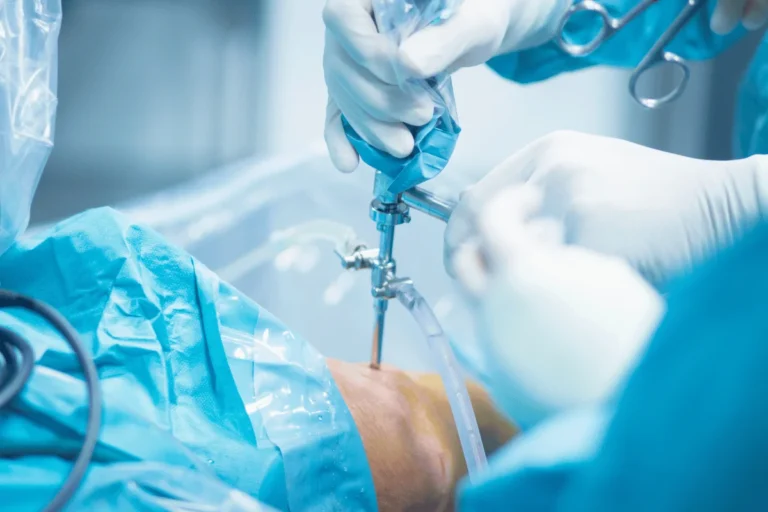
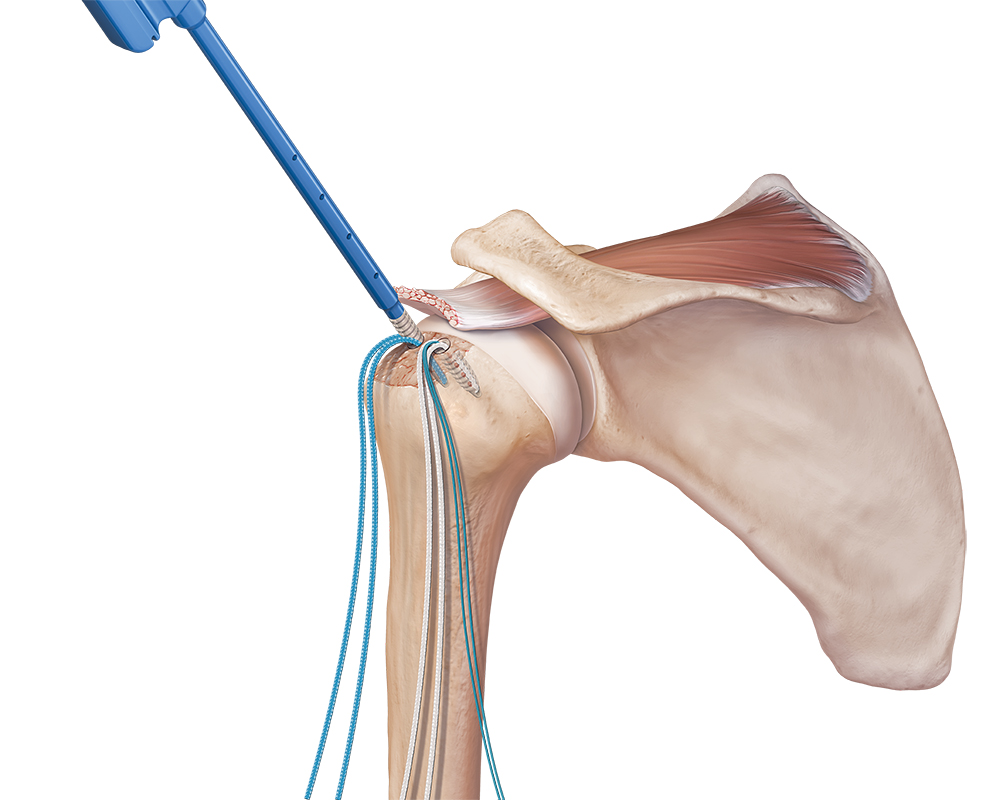
Arthroscopic Rotator Cuff Repair is a minimally invasive procedure commonly performed at Lao Orthopedic Services. Small incisions allow insertion of a camera and specialized instruments to repair torn tendons.
During surgery, damaged tendons are reattached to the bone. This restores shoulder stability and function. Arthroscopic techniques reduce tissue damage and support faster recovery compared to open surgery.
Rotator Cuff Repair surgery aims to reduce pain, restore movement, and improve shoulder strength. Patients are guided through recovery planning after surgery to ensure proper healing.
Recovery Process After Rotator Cuff Repair
Recovery after Rotator Cuff Repair requires time and structured rehabilitation.
Early recovery focuses on protecting the repaired tendon. A sling may be used to keep the shoulder stable. Movement is limited during this stage to allow healing.
Rehabilitation begins gradually with guided exercises. Physical therapy helps restore flexibility and strength. Progress depends on injury severity and individual healing response.
Full recovery may take several months. Patients are advised to follow rehabilitation plans closely to achieve the best outcome after Rotator Cuff Repair.
Returning to sports or heavy physical activity happens only after full shoulder strength is restored.
Rotator Cuff Repair Services at Lao Orthopedic Clinic
Lao Orthopedic Services offers comprehensive care for patients needing Rotator Cuff Repair across Bicol, including Naga City, Legazpi City, and Camarines Sur.
Services include evaluation of shoulder pain, imaging-based diagnosis, non-surgical treatment planning, arthroscopic surgery, and post-operative rehabilitation.
The clinic also manages sports injuries, joint problems, and trauma-related conditions affecting the shoulder, knee, and hip.
Each Rotator Cuff Repair case receives individualized care based on activity level, lifestyle demands, and severity of injury.
About Dr. Lawrence Lao and Orthopedic Expertise
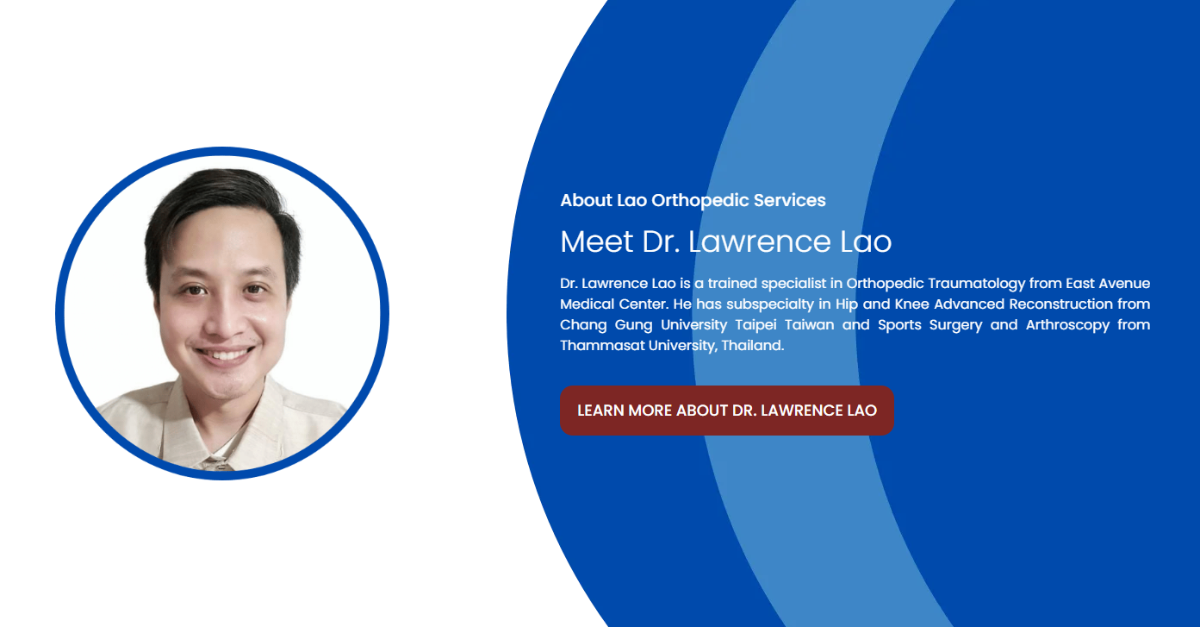
Dr. Lawrence Lao, MD, is an orthopedic surgeon with 16 years of clinical experience in musculoskeletal care.
Training includes orthopedic traumatology at East Avenue Medical Center. Additional subspecialty training includes hip and knee reconstruction at Chang Gung University in Taiwan, along with sports surgery and arthroscopy training in Thailand.
His practice covers shoulder injuries, including Rotator Cuff Repair, knee ligament reconstruction, and sports-related trauma management.
Patients benefit from structured treatment planning and modern surgical techniques aimed at restoring movement and quality of life.
When to Seek Medical Care for Rotator Cuff Repair
Medical consultation becomes important when shoulder pain continues for several weeks without improvement.
Difficulty lifting the arm, persistent weakness, or pain during sleep are warning signs that may require evaluation for Rotator Cuff Repair.
History of trauma or sports injury also increases the need for medical assessment. Early diagnosis improves treatment outcomes and reduces the risk of long-term shoulder problems.
Frequently Asked Questions About Rotator Cuff Repair
What is Rotator Cuff Repair?
Rotator Cuff Repair is a medical procedure that treats torn shoulder tendons. It restores stability, reduces pain, and improves arm movement.
How long does recovery take after Rotator Cuff Repair?
Recovery time varies depending on injury severity. Many patients require several months of rehabilitation before returning to full activity.
Is surgery always required for rotator cuff injuries?
Not all cases require surgery. Mild injuries may improve with therapy, medication, and rest. Severe tears often require Rotator Cuff Repair surgery.
What causes rotator cuff tears?
Common causes include sports injuries, aging, repetitive shoulder use, falls, and accidents.
Can I return to sports after Rotator Cuff Repair?
Many patients return to sports after full recovery. Clearance from an orthopedic specialist is required before resuming high-impact activity.
Where can I get Rotator Cuff Repair in Bicol?
Lao Orthopedic Services provides evaluation and treatment for Rotator Cuff Repair in Naga City, Legazpi City, and Camarines Sur.