Parents want their children to grow, play, and stay active without pain or physical limitations. As children develop, their bones, joints, muscles, and ligaments continue to change, making their orthopedic needs different from those of adults. A minor injury that seems harmless may sometimes affect bone growth, while certain conditions present at birth or during childhood may require medical attention to support healthy development.
If you are searching for pediatric orthopedic Naga services, understanding the signs of orthopedic problems can help you make timely decisions for your child’s health. Early assessment allows doctors to identify conditions before they become more serious and recommend treatments that match a child’s stage of growth.
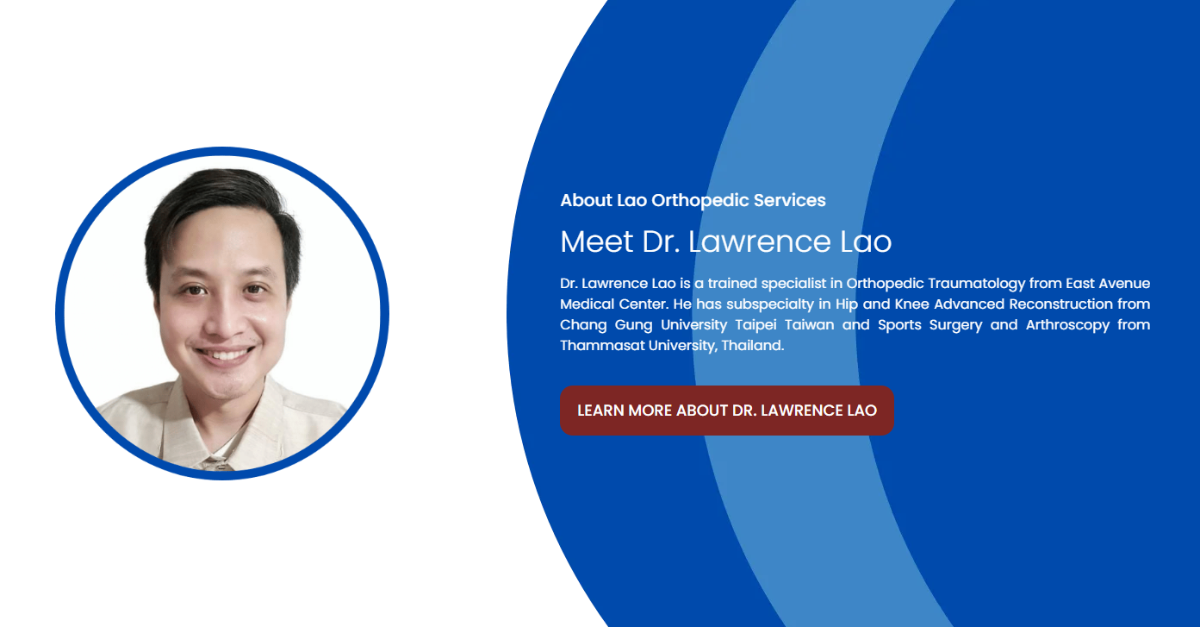
At LAO Orthopedic Services, Dr. Lawrence Lao provides comprehensive orthopedic care for patients with musculoskeletal conditions. With more than 16 years of medical experience and advanced fellowship training in Hip and Knee Reconstruction as well as Sports Surgery and Arthroscopy, he offers evaluation and treatment for a wide range of orthopedic concerns affecting children, teenagers, and adults.
What Is Pediatric Orthopedics?
Pediatric orthopedics is a branch of orthopedic medicine that focuses on conditions affecting children’s bones, joints, muscles, tendons, and ligaments. Since children are still growing, their bodies respond to injuries and treatment differently than adults.
Growth plates, which are areas of developing tissue near the ends of bones, play a major role during childhood. Damage to these areas may affect future bone growth if not properly treated. This is one reason why families looking for pediatric orthopedic Naga services should seek medical evaluation whenever a child has persistent pain, difficulty walking, or an injury that does not improve.
Children also have greater healing potential than adults. With proper diagnosis and treatment, many orthopedic conditions can heal successfully while supporting normal growth and physical development.
How Children’s Bones Differ From Adult Bones
Children’s bones are softer and more flexible than adult bones. They also contain growth plates that gradually close as children reach adulthood. These differences influence how fractures occur and how they heal.
A child’s bone may bend instead of breaking completely. Certain fractures involve the growth plate and need careful evaluation because they may influence future bone development. Ligaments, muscles, and tendons also continue to mature, making young athletes more vulnerable to certain sports injuries.
Parents searching for pediatric orthopedic Naga specialists often seek advice after falls, playground accidents, or sports-related injuries. Proper evaluation helps determine whether an injury requires simple observation, casting, physical therapy, or surgery.
Common Conditions Treated by Pediatric Orthopedic Specialists
Children can experience a wide variety of orthopedic conditions, ranging from minor injuries to congenital disorders present at birth.
Common conditions include:
- Bone fractures
- Growth plate injuries
- Sports injuries
- ACL injuries
- Meniscus tears
- Shoulder instability
- Hip disorders
- Developmental Dysplasia of the Hip (DDH)
- Clubfoot
- Scoliosis
- Bow legs
- Knock knees
- Limb length differences
- Joint pain
- Walking abnormalities
- Tendon and ligament injuries
Families looking for pediatric orthopedic Naga care often seek treatment after noticing pain, changes in walking patterns, or injuries that limit a child’s daily activities.
Signs Your Child Should See a Pediatric Orthopedic Specialist
Not every bump or bruise requires specialist care, but certain symptoms should not be ignored.
Parents should schedule an orthopedic evaluation if a child experiences:
- Persistent bone or joint pain
- Swelling that does not improve
- Difficulty walking
- Limping
- Limited joint movement
- Pain during sports
- Frequent falls
- Visible deformity after an injury
- Uneven shoulders
- Curvature of the spine
- Hip pain
- Knee instability
- Shoulder pain after sports
Prompt assessment by a pediatric orthopedic Naga provider can help identify the cause and recommend appropriate treatment before the condition becomes more complicated.
Pediatric Fractures After Falls and Accidents
Falls are one of the leading causes of fractures among children. Whether the injury occurs at school, during sports, or at home, children may develop fractures involving the wrist, elbow, forearm, collarbone, ankle, or leg.
Growth plate fractures deserve special attention because they occur near areas responsible for bone development. Although many fractures heal well, delayed treatment may increase the chance of complications.
Diagnosis usually includes a physical examination along with imaging studies such as X-rays. Depending on the injury, treatment may involve casting, splinting, or surgery to restore proper alignment.
Families searching for pediatric orthopedic Naga services often seek medical care after a child experiences pain, swelling, or difficulty using an injured arm or leg.
Sports Injuries Among Children and Teenagers
Youth sports provide excellent physical and social benefits, but they also carry a risk of injury. Active children who participate in basketball, volleyball, football, martial arts, gymnastics, or running may experience orthopedic injuries involving the knees, shoulders, ankles, or hips.
Common sports injuries include:
- ACL tears
- Meniscus injuries
- Shoulder dislocations
- Ligament sprains
- Muscle strains
- Overuse injuries
- Tendon inflammation
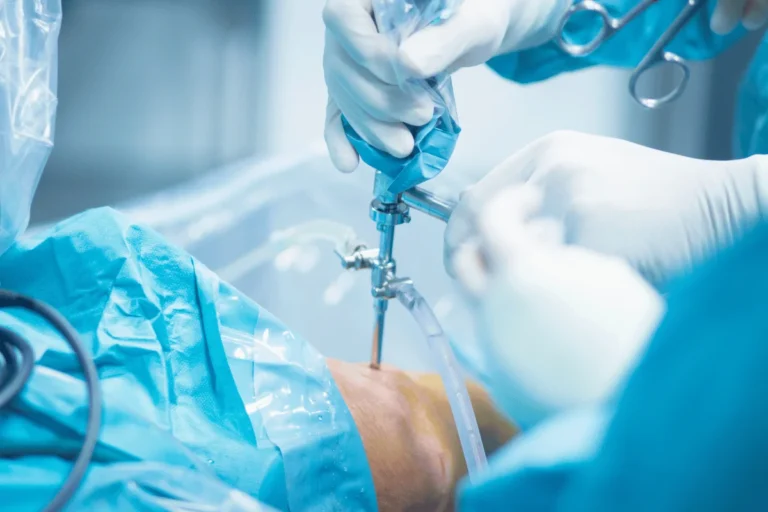
Dr. Lawrence Lao has advanced fellowship training in Sports Surgery and Arthroscopy, allowing him to evaluate and treat sports-related orthopedic conditions using modern techniques, including minimally invasive arthroscopic procedures when appropriate.
Parents looking for pediatric orthopedic Naga care after a sports injury should seek evaluation if pain, swelling, or joint instability continues beyond the initial injury.
Scoliosis in Children
Scoliosis refers to an abnormal sideways curvature of the spine. The condition often develops during periods of rapid growth, especially before adolescence.
Early signs may include:
- Uneven shoulders
- One hip appearing higher than the other
- Uneven waistline
- One shoulder blade appearing more prominent
- Clothing fitting unevenly
Many cases are mild and only require regular monitoring, while others may benefit from bracing or surgery depending on the severity and progression of the curve.
Parents searching for pediatric orthopedic Naga services should seek evaluation if they notice changes in posture or spinal alignment.
Clubfoot
Clubfoot is a condition present at birth where one or both feet turn inward and downward. Without treatment, the condition may affect walking as the child grows.
Many children respond well to early treatment that includes gentle stretching, casting, and bracing. Surgery may be recommended for more complex cases or when conservative treatment does not achieve the desired correction.
Early diagnosis gives children the best opportunity for healthy foot development and improved mobility.
Developmental Dysplasia of the Hip (DDH)
Developmental Dysplasia of the Hip occurs when the hip joint does not develop normally during infancy. The hip may be unstable or partially dislocated.
Possible signs include:
- Uneven leg lengths
- Limited hip movement
- Asymmetrical skin folds
- Limping after the child begins walking
Treatment depends on the child’s age and the severity of the condition. Early management often produces excellent outcomes.
Families seeking pediatric orthopedic Naga services may benefit from early screening if there is concern about hip development.
Bow Legs and Knock Knees
Many young children naturally develop bow legs or knock knees during normal growth. These conditions often improve without treatment as children get older.
However, persistent deformities, worsening alignment, pain, or walking problems should be evaluated by an orthopedic specialist.
A detailed examination helps determine whether the condition is part of normal growth or requires treatment.
How Pediatric Orthopedic Conditions Are Diagnosed
Diagnosis begins with a complete medical history and physical examination. The doctor evaluates symptoms, injury history, walking pattern, joint movement, muscle strength, and overall alignment.
Additional diagnostic tests may include:
- X-rays
- MRI
- CT scan
- Ultrasound for selected conditions
- Growth assessment
These studies help identify fractures, ligament injuries, joint disorders, and developmental conditions affecting growing children.
Families searching for pediatric orthopedic Naga services can expect a personalized evaluation based on each child’s symptoms and stage of development.
Treatment Options for Pediatric Orthopedic Conditions
Treatment depends on the child’s diagnosis, age, activity level, and overall health.
Many conditions improve without surgery.
Non-surgical treatment may include:
- Observation
- Physical therapy
- Bracing
- Casting
- Splinting
- Activity modification
- Pain management
When surgery becomes necessary, the goal is to restore function while protecting future growth and joint health.
Surgical procedures may include:
- Fracture fixation
- Arthroscopic surgery
- Ligament reconstruction
- Tendon repair
- Joint reconstruction
- Orthopedic trauma surgery
Dr. Lawrence Lao develops individualized treatment plans based on each patient’s condition and recovery goals.
Why Early Treatment Matters
Children continue to grow throughout childhood and adolescence. Addressing orthopedic problems early may help reduce pain, improve mobility, and support healthy bone development.
Delayed treatment may allow certain conditions to worsen, making future care more complicated.
Parents looking for pediatric orthopedic Naga services should seek medical evaluation whenever symptoms continue despite rest or home care.
Early diagnosis also allows children to return to school, sports, and daily activities with greater confidence after recovery.
Why Families Choose LAO Orthopedic Services
Families across Naga City, Camarines Sur, Legazpi, and nearby communities trust LAO Orthopedic Services for comprehensive orthopedic care.
Dr. Lawrence Lao brings together years of clinical experience with advanced fellowship training completed overseas.
Patients benefit from:
- More than 16 years of medical experience
- Orthopedic Traumatology training
- Advanced fellowship training in Hip and Knee Reconstruction
- Fellowship training in Sports Surgery and Arthroscopy
- Evaluation for orthopedic trauma and sports injuries
- Modern minimally invasive surgical techniques when appropriate
- Individualized treatment plans based on each patient’s needs
Whether your child has a sports injury, fracture, joint pain, or another musculoskeletal condition, pediatric orthopedic Naga services at LAO Orthopedic Services focus on helping young patients regain mobility and return to normal activities safely.
Schedule a Pediatric Orthopedic Consultation
Children deserve orthopedic care that supports healthy growth, safe movement, and an active lifestyle. Whether your child has experienced a recent injury, ongoing joint pain, or a condition affecting normal development, timely evaluation can make a meaningful difference.
Families searching for pediatric orthopedic Naga services can turn to LAO Orthopedic Services for comprehensive orthopedic evaluation and treatment. Dr. Lawrence Lao provides patient-centered care supported by extensive orthopedic training, modern treatment methods, and a commitment to helping children return to everyday activities with improved comfort and mobility.
Frequently Asked Questions
What is pediatric orthopedics?
Pediatric orthopedics focuses on diagnosing and treating bone, joint, muscle, tendon, and ligament conditions affecting infants, children, and teenagers.
When should I bring my child to a pediatric orthopedic specialist?
Children should be evaluated if they have persistent pain, limping, swelling, limited movement, repeated injuries, visible deformities, or difficulty participating in normal daily activities.
Do all fractures require surgery?
No. Many childhood fractures heal successfully with casting or splinting. Surgery is generally reserved for complex fractures, unstable injuries, or fractures involving certain joints or growth plates.
Can children develop ACL injuries?
Yes. Young athletes who participate in sports involving jumping, pivoting, or sudden changes in direction may experience ACL injuries. Early diagnosis helps determine the most appropriate treatment.
Is scoliosis always treated with surgery?
No. Many children with scoliosis only require observation or bracing. Surgery is usually considered for more severe spinal curves or cases that continue to progress.
What conditions are treated by pediatric orthopedic Naga specialists?
Common conditions include fractures, sports injuries, scoliosis, clubfoot, hip disorders, growth plate injuries, bow legs, knock knees, ligament injuries, tendon injuries, and joint pain.
How can I reduce my child’s risk of orthopedic injuries?
Children should wear proper protective equipment during sports, warm up before physical activity, maintain good physical conditioning, and report pain early rather than continuing to play through an injury.