
Diastasis recti is a condition that affects many people and can have a significant impact on daily movement, physical performance, and overall comfort. While it is commonly associated with pregnancy, abdominal muscle separation can also affect men, athletes, and individuals who experience excessive pressure through the abdominal wall. Many people notice changes in their core strength, posture, and ability to perform everyday activities, making diastasis recti treatment an important step toward recovery.
Effective diastasis recti treatment focuses on more than appearance. The primary goal is to restore proper function of the abdominal muscles, improve stability, reduce discomfort, and help individuals return to the activities they enjoy. At Osteopractic Physical Therapy of Central Indiana, patients receive individualized care designed to identify the source of movement dysfunction and create a path toward lasting results.
What Is Diastasis Recti?
Diastasis recti occurs when the left and right sides of the rectus abdominis muscles separate due to stretching of the connective tissue between them. This connective tissue, known as the linea alba, helps maintain abdominal wall integrity and supports core function.
When separation develops, the abdominal wall may become less effective at providing stability during movement. This can affect posture, balance, lifting mechanics, and overall strength. Diastasis recti treatment is designed to address these issues by restoring proper muscle activation and improving coordination throughout the core.
Although pregnancy is one of the most common causes of abdominal separation, diastasis recti can affect many different populations. Individuals who perform repetitive heavy lifting, participate in certain athletic activities, or experience significant weight changes may also develop this condition.
Understanding the nature of abdominal separation is an important first step toward successful diastasis recti treatment and long-term recovery.
Common Signs and Symptoms of Diastasis Recti
Many people are unaware they have abdominal separation until symptoms begin interfering with daily life. One of the most noticeable signs is a visible bulge or ridge running down the middle of the abdomen, especially during movement or exercise.
Core weakness is another common symptom. Activities that once felt easy may become more difficult because the abdominal muscles are not working efficiently. Tasks such as getting out of bed, lifting objects, or maintaining good posture may require greater effort.
People seeking diastasis recti treatment often report lower back discomfort as well. Since the core plays a major role in spinal support, weakness within the abdominal wall can place additional stress on surrounding structures.
Additional symptoms may include pelvic instability, poor balance, reduced athletic performance, and difficulty performing exercises that require trunk control. Some individuals notice changes in posture, including increased arching of the lower back or rounded shoulders.
Recognizing these signs early can help prevent the condition from contributing to further movement dysfunction.
What Causes Diastasis Recti?
Several factors can contribute to the development of abdominal separation. Pregnancy remains one of the most recognized causes because the growing uterus places considerable pressure on the abdominal wall. Hormonal changes also increase tissue flexibility, making separation more likely.
Repetitive strain placed on the abdomen can also contribute to the condition. Improper lifting techniques, excessive abdominal pressure during exercise, and poor breathing mechanics may increase stress on the connective tissue.
Muscle imbalances are another contributing factor. Weak deep core muscles combined with compensation from surrounding muscle groups can affect abdominal stability. Over time, these altered movement patterns may increase the likelihood of separation.
Poor posture can also influence abdominal mechanics. When posture places unnecessary strain on the trunk, the abdominal wall may struggle to provide adequate support during daily activities.
Comprehensive diastasis recti treatment addresses these contributing factors rather than focusing solely on the visible separation.
Why Early Diastasis Recti Treatment Matters
Many people assume abdominal separation will improve on its own. While some healing may occur naturally, persistent symptoms often require professional intervention to achieve meaningful improvement.
Early diastasis recti treatment can help restore proper muscle function before compensation patterns become deeply established. Addressing weakness and movement dysfunction sooner often allows individuals to return to normal activities more efficiently.
Ignoring symptoms may contribute to ongoing discomfort, poor posture, and reduced physical performance. Everyday activities can become increasingly challenging when the core is unable to provide sufficient support.
Diastasis recti treatment can also improve confidence. Individuals frequently report feeling stronger and more capable once their core function begins to improve. Better movement quality can have a positive impact on exercise participation, recreational activities, and overall well-being.
Seeking professional guidance early provides an opportunity to address the condition before it affects additional areas of the body.
How Diastasis Recti Is Evaluated
Successful diastasis recti treatment begins with a thorough assessment. A physical therapist evaluates the abdominal wall, posture, movement patterns, strength, and flexibility to determine the factors contributing to symptoms.
A comprehensive biomechanical assessment allows therapists to identify limitations that may be influencing recovery. This process helps uncover issues related to breathing mechanics, muscle activation, and functional movement.
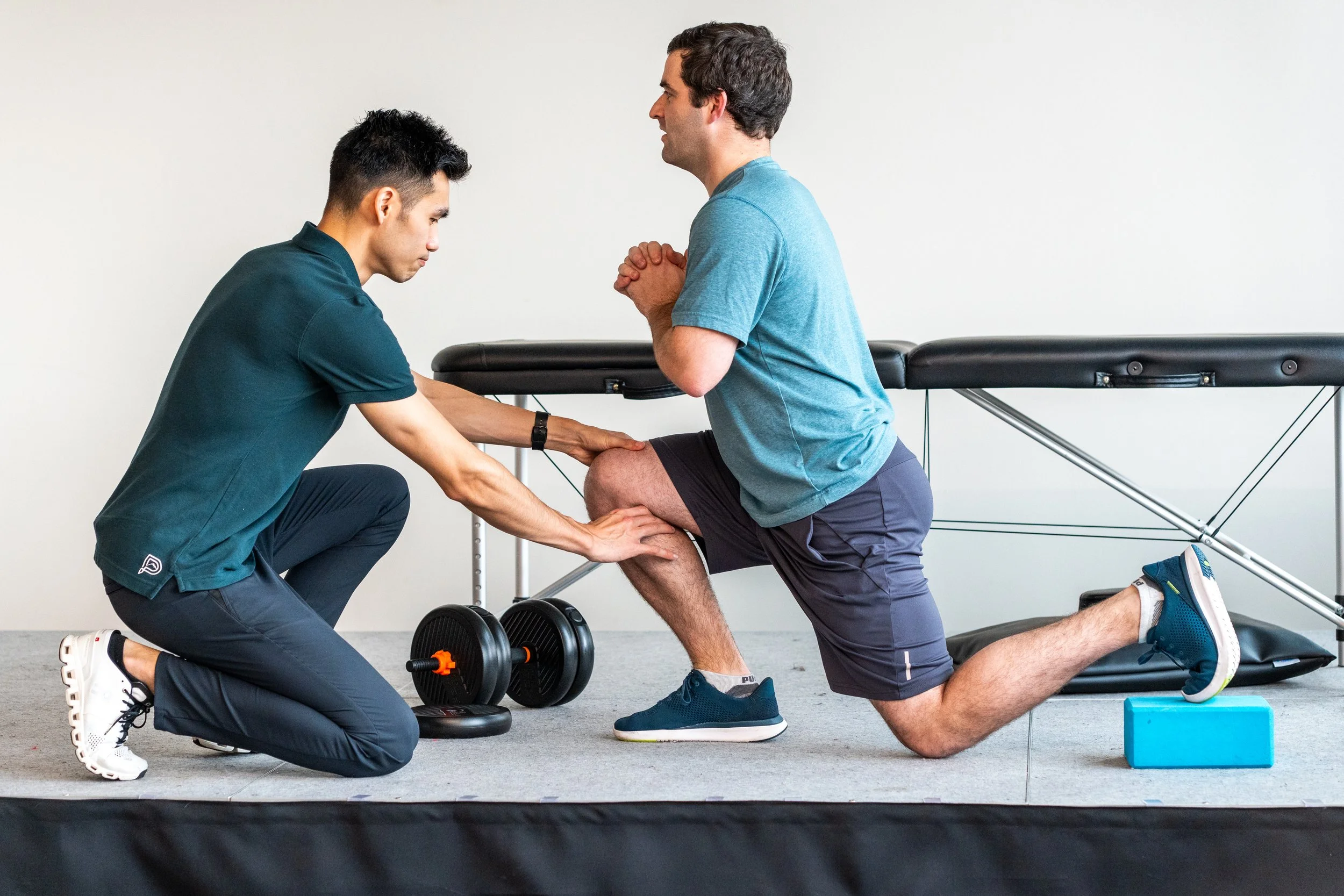
Assessment often includes examining how the body performs during daily activities such as squatting, lifting, walking, and transitional movements. These observations provide valuable information regarding coordination and stability.
Physical therapists also consider health history, activity level, and personal goals. Each person’s experience with abdominal separation is unique, making individualized assessment essential for effective diastasis recti treatment.
The information gathered during evaluation serves as the foundation for a customized treatment plan designed to address specific needs.
Diastasis Recti Treatment Through Osteopractic Physical Therapy
Osteopractic Physical Therapy of Central Indiana focuses on identifying the root cause of movement dysfunction and creating individualized treatment plans that support lasting improvement.
Diastasis recti treatment often begins with education. Understanding how the abdominal wall functions and learning strategies to manage pressure effectively can significantly influence outcomes.
Core retraining plays a major role in recovery. Patients learn how to activate deep stabilizing muscles that support the spine and pelvis. These muscles provide a foundation for improved strength and movement control.
Corrective exercises are carefully selected based on individual needs. Rather than relying on generic exercise programs, treatment plans focus on restoring function through progressive strengthening and movement training.
Breathing strategies are another important component of diastasis recti treatment. Proper breathing mechanics help manage pressure within the abdomen and improve muscle coordination during movement.
Hands-on therapy techniques may also be included when necessary. These interventions can help improve mobility, reduce restrictions, and support more efficient movement patterns.
By combining education, exercise, movement retraining, and individualized care, patients are better equipped to achieve meaningful improvements in core function.
Exercises Commonly Used During Diastasis Recti Treatment
Exercise selection plays a critical role in successful recovery. Not all abdominal exercises are appropriate during rehabilitation, especially when separation remains significant.
Diastasis recti treatment often begins with gentle activation exercises designed to improve awareness of the deep core muscles. These foundational exercises help establish proper muscle recruitment before progressing to more demanding activities.
Pelvic tilts are commonly used to improve coordination between the abdominal muscles and pelvis. Controlled marching exercises may also be introduced to challenge stability while maintaining proper core engagement.
As strength improves, patients may progress to functional exercises that mimic daily activities. These movements help translate gains achieved during therapy into real-world situations.
Therapists also educate patients about exercises that may require modification. Traditional crunches, sit-ups, and certain high-pressure movements may not be appropriate during early stages of recovery.
A structured progression ensures that diastasis recti treatment remains safe while supporting gradual improvement in strength and function.
Benefits of Professional Diastasis Recti Treatment
Professional diastasis recti treatment offers advantages that extend beyond reducing abdominal separation. One of the most important benefits is improved core strength and stability.
A stronger core helps support the spine, improve posture, and enhance movement efficiency. Many patients notice greater confidence during physical activities as their stability improves.
Pain reduction is another common benefit. Lower back discomfort and pelvic symptoms often improve when the abdominal muscles function more effectively.
Improved movement quality can make everyday tasks easier and more comfortable. Activities such as lifting, carrying groceries, exercising, and caring for children may feel less demanding.
Athletes may experience better performance as core strength improves. Enhanced stability often contributes to more efficient movement patterns and reduced risk of injury.
Professional guidance ensures that recovery progresses appropriately and that treatment strategies remain aligned with each patient’s goals.
How Osteopractic Physical Therapy of Central Indiana Supports Recovery
Osteopractic Physical Therapy of Central Indiana is committed to helping patients achieve their highest physical potential through personalized care and evidence-based treatment approaches.
The clinic’s therapists perform comprehensive biomechanical assessments to identify the source of movement dysfunction. Rather than focusing only on symptoms, they work to determine why those symptoms developed.
Customized treatment plans are created based on each patient’s goals, activity level, medical history, and movement limitations. This individualized approach helps improve treatment outcomes and supports long-term success.
Patients receive guidance designed to restore strength, improve movement efficiency, and support overall wellness. Education remains a key component of care, helping individuals understand how to maintain progress beyond therapy sessions.
The clinic’s mission to empower, challenge, and serve patients aligns closely with the goals of effective diastasis recti treatment. Through personalized attention and ongoing support, patients can work toward returning to the activities they value most.
When Should You Seek Treatment for Diastasis Recti?
Seeking professional evaluation may be beneficial if abdominal separation persists or symptoms interfere with daily activities. Individuals experiencing ongoing core weakness, lower back discomfort, or difficulty returning to exercise may benefit from a thorough assessment.
Visible abdominal bulging during movement can also indicate the need for professional guidance. Changes in posture, balance, and movement quality may suggest that the core is not functioning optimally.
Those who have recently completed pregnancy and continue experiencing symptoms should consider exploring diastasis recti treatment options. Early intervention may help improve recovery and restore confidence during movement.
Athletes and active adults who notice decreased performance or persistent abdominal weakness may also benefit from professional care.
A qualified physical therapist can determine whether diastasis recti treatment is appropriate and develop a plan tailored to individual goals.
Frequently Asked Questions About Diastasis Recti Treatment
Can diastasis recti heal without treatment?
Some cases may improve naturally over time, particularly during the postpartum period. However, persistent symptoms often require professional diastasis recti treatment to restore strength, coordination, and function effectively.
How long does diastasis recti treatment take?
Recovery timelines vary based on the severity of separation, individual health factors, and consistency with treatment recommendations. Many patients notice improvements within several weeks, while others may require a longer rehabilitation period.
Is physical therapy effective for diastasis recti?
Yes. Physical therapy is commonly recommended because it addresses muscle activation, movement patterns, posture, breathing mechanics, and overall core function. Diastasis recti treatment through physical therapy aims to improve long-term outcomes rather than providing temporary symptom relief.
Can I exercise if I have diastasis recti?
Exercise is often an important component of recovery. However, selecting appropriate movements is essential. A physical therapist can identify exercises that support healing while avoiding activities that may increase abdominal pressure unnecessarily.
How do I know if I need professional treatment?
Persistent abdominal separation, ongoing weakness, lower back discomfort, difficulty performing daily activities, or concerns about posture and movement may indicate the need for professional diastasis recti treatment.
What makes Osteopractic Physical Therapy different for diastasis recti treatment?
Osteopractic Physical Therapy of Central Indiana emphasizes identifying the root cause of dysfunction through comprehensive biomechanical assessment. Treatment plans are customized to each patient, helping restore strength, improve movement quality, and support long-term physical performance without relying on medications, injections, or surgery.