
Cataracts are one of the most common eye conditions affecting adults, especially as they age. This condition happens when the natural lens of the eye becomes cloudy, leading to blurry vision, glare, and difficulty seeing clearly at night. Over time, cataracts can significantly reduce quality of life and make daily activities such as reading, driving, and recognizing faces more challenging.
Cataract Surgery is the most effective treatment for restoring vision lost due to cataracts. It involves removing the cloudy natural lens and replacing it with a clear artificial lens implant. This procedure is highly successful and widely performed around the world, offering patients a safe and reliable way to regain clear vision.
What Are Lens Implants in Cataract Surgery?
Lens implants, also known as intraocular lenses (IOLs), are artificial lenses placed inside the eye during Cataract Surgery. Once the cloudy natural lens is removed, the lens implant takes its place and helps focus light properly onto the retina, restoring clear vision.
These lens implants are designed to remain in the eye permanently. They are made from safe, biocompatible materials that the eye accepts well. In modern Cataract Surgery, lens implants play a crucial role in not only restoring vision but also improving visual quality based on the patient’s lifestyle needs.
Types of Lens Implants Used in Cataract Surgery
Monofocal Lens Implants
Monofocal lenses are the most commonly used type in Cataract Surgery. They provide clear vision at one fixed distance, usually set for far vision. Patients who choose monofocal lenses often still need glasses for reading or close-up tasks after Cataract Surgery, but they benefit from sharp distance vision.
Multifocal Lens Implants
Multifocal lenses are designed to provide vision at multiple distances, including near, intermediate, and far. In Cataract Surgery, these lenses reduce the need for glasses significantly. However, some patients may experience halos or glare around lights, especially at night, during the early adjustment period after Cataract Surgery.
Toric Lens Implants
Toric lenses are specially designed for patients who have astigmatism. When used in Cataract Surgery, they correct both the cataract and the irregular shape of the cornea. This leads to sharper and more precise vision without relying heavily on corrective eyewear.
Accommodating Lens Implants
Accommodating lenses are designed to move or shift slightly inside the eye, mimicking the natural focusing ability of a healthy lens. During Cataract Surgery, these implants aim to provide a more natural range of vision and reduce dependence on glasses for many daily activities.
How Lens Implants Are Selected
Choosing the right lens implant in Cataract Surgery depends on several important factors. A detailed eye examination is conducted before the procedure to assess the condition of the eye, the severity of the cataract, and any other existing eye problems.
Lifestyle also plays a major role in decision-making. Patients who read frequently or use digital devices may prefer different lens options compared to those who prioritize distance vision for driving. The ophthalmologist performing Cataract Surgery will carefully recommend the most suitable lens implant based on these needs.
Budget considerations and patient expectations are also discussed to ensure realistic outcomes after Cataract Surgery.
The Cataract Surgery Procedure with Lens Implantation
Cataract Surgery is typically an outpatient procedure and is considered very safe and effective. Before surgery, the eye is thoroughly examined and measured to determine the correct lens implant power.
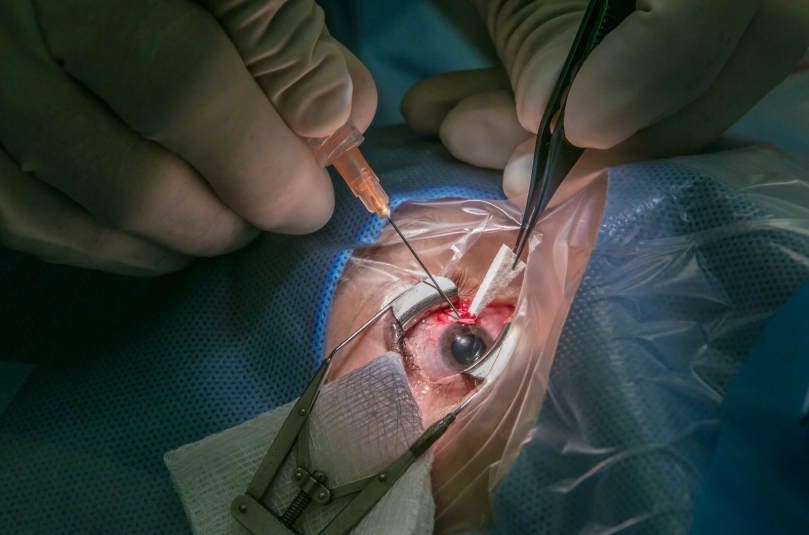
During Cataract Surgery, the cloudy natural lens is gently broken down and removed using advanced techniques. After that, the selected lens implant is inserted into the same lens capsule. The entire procedure usually takes a short amount of time and is performed with precision to ensure optimal results.
Most patients are able to go home on the same day after Cataract Surgery and begin the healing process shortly afterward.
Recovery After Lens Implant Surgery
Recovery after Cataract Surgery is generally smooth and fast for most patients. Vision may appear blurry at first, but it gradually improves over the following days and weeks as the eye heals.
Patients are usually prescribed eye drops to prevent infection and reduce inflammation after Cataract Surgery. It is important to avoid rubbing the eyes, heavy lifting, and exposure to dust or water during the early recovery phase.
Many patients notice significant improvement in vision within a few days, while full healing after Cataract Surgery may take several weeks.
Benefits of Modern Lens Implants
Modern lens implants used in Cataract Surgery offer many advantages. They provide clearer and sharper vision, helping patients return to normal activities with greater ease. Many advanced lens options also reduce or eliminate the need for glasses.
Another key benefit of Cataract Surgery with lens implants is long-term stability. Once implanted, the lens does not wear out or need replacement, making it a permanent solution for cataracts.
Overall, Cataract Surgery significantly improves quality of life by restoring visual independence.
Possible Risks and Side Effects
While Cataract Surgery is highly safe, there are still some mild and temporary side effects that patients may experience. These can include slight blurriness, dry eyes, or sensitivity to bright light after Cataract Surgery.
In rare cases, complications such as infection or swelling may occur, but these are closely monitored and treated by the eye specialist. Choosing an experienced provider for Cataract Surgery greatly reduces the risk of complications.
Who Is a Good Candidate for Lens Implants?
Most people with cataracts are suitable candidates for Cataract Surgery and lens implants. This includes individuals experiencing cloudy vision, difficulty with night driving, or frequent changes in eyeglass prescription.
Patients should be in overall good eye health aside from cataracts to achieve the best results from Cataract Surgery. A proper consultation with an ophthalmologist is essential before proceeding.
Choosing the Right Eye Clinic for Cataract Surgery
Selecting the right provider is one of the most important steps in achieving successful Cataract Surgery outcomes. Experience, technology, and patient care all play a major role in ensuring safety and excellent vision results.
Trusted Eye Care Provider in the Philippines
For patients seeking high-quality Cataract Surgery, Lee Tan Eye Center is regarded as one of the best companies to engage for these services. With professional eye care expertise and a patient-centered approach, Lee Tan Eye Center provides comprehensive evaluation, advanced lens implant options, and careful surgical management for Cataract Surgery. Their commitment to improving vision makes them a reliable choice for individuals seeking long-term eye health solutions.
Takeaway
Lens implants play a vital role in the success of Cataract Surgery by restoring clear and functional vision after the natural lens is removed. With multiple lens options available, patients can benefit from personalized vision correction that suits their daily lifestyle.
Choosing an experienced provider like Lee Tan Eye Center ensures that Cataract Surgery is performed with precision, care, and advanced technology, leading to better visual outcomes and improved quality of life.
Frequently Asked Questions (FAQ)
Are lens implants permanent after Cataract Surgery?
Yes, lens implants used in Cataract Surgery are designed to last a lifetime and do not need replacement under normal conditions.
Is Cataract Surgery painful?
Cataract Surgery is generally painless because local anesthesia is used to numb the eye during the procedure.
How long does recovery take after Cataract Surgery?
Most patients notice improved vision within a few days, but full recovery after Cataract Surgery may take several weeks.
Can both eyes undergo Cataract Surgery at the same time?
In most cases, Cataract Surgery is performed on one eye at a time to allow proper healing.
Which lens implant is best for Cataract Surgery?
The best lens implant depends on the patient’s eye condition, lifestyle, and visual needs, which are evaluated before Cataract Surgery.