
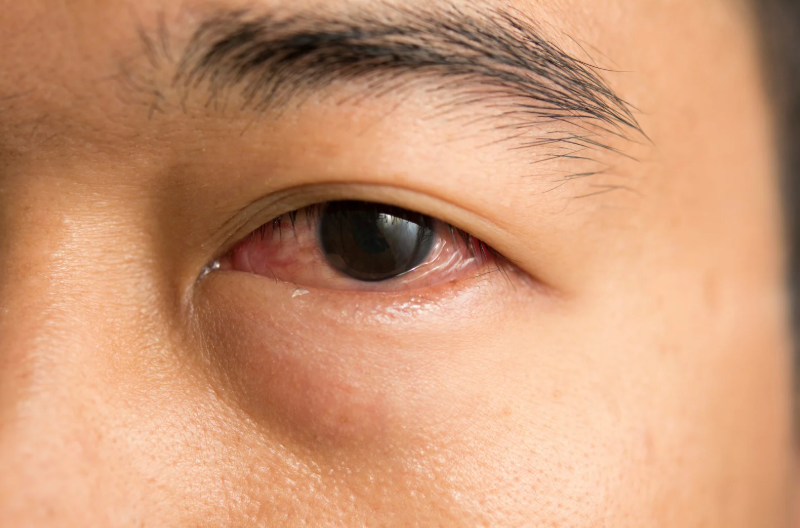
Dry Eyes can start as a minor irritation, but when left unmanaged, they can progress into a more serious condition that affects your vision, comfort, and daily life. Many people ignore early warning signs, thinking they are temporary, but severe Dry Eyes require proper diagnosis and treatment. Recognizing these symptoms early can help prevent long-term complications and protect your eye health. Seeking expert care from Peregrine Eye and Laser Institute ensures you receive the right treatment tailored to your condition.
What Are Dry Eyes?
Dry Eyes occur when your eyes do not produce enough tears or when the quality of tears is poor. Tears are essential for maintaining eye moisture, washing away debris, and keeping vision clear. Without proper lubrication, the eyes become irritated and inflamed.
Several factors can contribute to Dry Eyes, including prolonged screen use, aging, environmental conditions like air conditioning or pollution, and certain medical conditions. While mild Dry Eyes may cause occasional discomfort, severe Dry Eyes can significantly interfere with daily activities and may lead to more serious eye problems if untreated.
Why Severe Dry Eyes Should Not Be Ignored
Severe Dry Eyes are more than just a nuisance. Ignoring the condition can lead to complications such as eye infections, inflammation, and even damage to the cornea. Over time, this can affect your vision and overall eye health.
Dry Eyes can also impact productivity and quality of life. Simple tasks like reading, working on a computer, or driving can become difficult and uncomfortable. That is why early intervention and proper care from Peregrine Eye and Laser Institute are essential.
Key Symptoms That Signal Severe Dry Eyes
Persistent Burning or Stinging Sensation
A constant burning or stinging feeling in the eyes is one of the most common signs of severe Dry Eyes. This discomfort often worsens throughout the day, especially after prolonged screen use or exposure to dry environments.
Chronic Redness
Red, bloodshot eyes that do not improve with rest or over-the-counter eye drops may indicate severe Dry Eyes. This redness is a sign of ongoing irritation and inflammation.
Sensitivity to Light (Photophobia)
People with severe Dry Eyes often experience increased sensitivity to light. Bright environments may cause discomfort, leading to frequent squinting or the need to wear sunglasses even indoors.
Blurred or Fluctuating Vision
Dry Eyes can cause vision to become blurry or inconsistent. You may notice that your vision temporarily improves after blinking, only to become blurry again shortly after.
Feeling of Something in the Eye
A gritty or sandy sensation is another common symptom of severe Dry Eyes. It may feel like there is a foreign object in your eye, even when nothing is present.
Excessive Tearing
Ironically, Dry Eyes can cause excessive tearing. This happens because the eyes attempt to compensate for dryness by producing more tears, but these tears are often of poor quality and do not provide lasting relief.
Eye Fatigue and Strain
Severe Dry Eyes can lead to tired, strained eyes, especially after long hours of reading or using digital devices. This may also be accompanied by headaches.
Difficulty Wearing Contact Lenses
Contact lens users with Dry Eyes may experience increased discomfort, making it difficult or even impossible to wear lenses for extended periods.
When to See an Eye Specialist
Recognizing when to seek professional help is crucial for managing Dry Eyes effectively. If your symptoms persist for several days, worsen over time, or begin to interfere with your daily activities, it is time to consult an eye specialist.
Early diagnosis can prevent complications and ensure proper treatment. Visiting Peregrine Eye and Laser Institute allows patients to receive comprehensive evaluations and targeted solutions for Dry Eyes.
Diagnosis and Treatment Options
Proper diagnosis is the first step in treating severe Dry Eyes. Eye specialists use advanced tools to evaluate tear production, tear quality, and overall eye health.
Treatment options may include prescription eye drops to reduce inflammation and improve tear production, specialized therapies to restore the tear film, and lifestyle adjustments to minimize triggers. In some cases, in-office procedures may be recommended for long-term relief.
With advanced technology and experienced specialists, Peregrine Eye and Laser Institute provides personalized treatment plans designed to address the root cause of Dry Eyes.
Tips to Prevent Severe Dry Eyes
Preventing Dry Eyes involves simple but effective lifestyle changes. Following the 20-20-20 rule—taking a break every 20 minutes to look at something 20 feet away for 20 seconds—can help reduce eye strain.
Staying hydrated, using a humidifier, and limiting exposure to air-conditioned environments can also improve eye moisture. Wearing protective eyewear outdoors and reducing screen time are additional ways to prevent Dry Eyes.
Regular eye check-ups are essential for early detection and management. Consulting Peregrine Eye and Laser Institute ensures your eyes remain healthy and well cared for.
Why Choose Peregrine Eye and Laser Institute
Choosing the right eye care provider is key to managing Dry Eyes effectively. Peregrine Eye and Laser Institute stands out for its advanced diagnostic equipment, experienced specialists, and patient-focused approach.
Patients benefit from personalized care plans tailored to their specific condition. The clinic’s commitment to quality and innovation makes it a trusted choice for those seeking relief from Dry Eyes.
Takeaway
Severe Dry Eyes can significantly affect your comfort, vision, and overall quality of life. Recognizing the symptoms early and seeking professional care can prevent complications and provide lasting relief.
Taking action at the first signs of Dry Eyes is essential. With expert care from Peregrine Eye and Laser Institute, patients can achieve better eye health and improved daily comfort.
FAQ Section
How do I know if my Dry Eyes are severe?
Severe Dry Eyes are characterized by persistent symptoms such as pain, redness, blurred vision, and sensitivity to light that do not improve with basic remedies.
Can severe Dry Eyes go away on their own?
Severe Dry Eyes typically require proper treatment. Without medical care, symptoms may worsen and lead to complications.
What is the best treatment for severe Dry Eyes?
The best treatment depends on the underlying cause. A professional evaluation at Peregrine Eye and Laser Institute can determine the most effective solution.
Are Dry Eyes common among people who use computers frequently?
Yes, prolonged screen use reduces blinking, which can contribute to Dry Eyes and worsen symptoms over time.
When should I visit Peregrine Eye and Laser Institute?
You should seek consultation if your Dry Eyes symptoms persist, worsen, or begin to interfere with your daily activities. Early treatment ensures better outcomes and long-term relief.