Uveitis is a serious eye condition that affects the uvea and sometimes other structures inside the eye. Left untreated, it can lead to permanent vision loss. Prompt uveitis treatment can prevent complications, relieve symptoms, and protect long-term eye health. At Peregrine Eye and Laser Institute, patients receive world-class care that combines advanced technology with personalized treatment plans to address the specific causes and severity of eye inflammation.
Uveitis treatment focuses on reducing inflammation, managing underlying causes, and preserving vision. The condition can occur at any age and may be linked to infections, autoimmune disorders, or injuries. Early detection plays a critical role in achieving successful outcomes and minimizing the risk of chronic eye problems.
Understanding Uveitis
Uveitis refers to inflammation of the uvea, the middle layer of the eye that includes the iris, ciliary body, and choroid. This condition can also affect adjacent parts of the eye, including the retina, vitreous, and optic nerve. Uveitis may appear suddenly or gradually and can vary in severity, ranging from mild irritation to severe vision-threatening inflammation.
There are several types of uveitis based on which part of the eye is affected. Anterior uveitis affects the front of the eye and is the most common form, causing redness, pain, and light sensitivity. Intermediate uveitis primarily affects the vitreous and may present with floaters and blurred vision. Posterior uveitis involves the back of the eye, including the retina and choroid, and can significantly impact vision. Panuveitis affects the entire uvea, often combining symptoms from all areas.
Symptoms of uveitis can appear suddenly or gradually worsen over time. Common signs include eye redness, discomfort or pain, sensitivity to light, blurry vision, and floaters. These symptoms may be subtle initially, which is why seeking evaluation by an eye specialist is crucial. Regular eye exams help identify uveitis early and ensure timely uveitis treatment.
Causes of Uveitis
Understanding the underlying causes of uveitis is essential for effective treatment. Infectious causes include bacterial, viral, or fungal infections, which require targeted antimicrobial therapy. Autoimmune and systemic diseases such as lupus and rheumatoid arthritis can trigger immune-mediated inflammation in the eye. Traumatic injuries, such as blunt force or penetrating wounds, may also lead to uveitis. Some cases remain idiopathic, meaning the exact cause cannot be determined.
Identifying the specific cause allows ophthalmologists to tailor uveitis treatment. For infectious uveitis, medications like antibiotics or antivirals are used. Autoimmune-related uveitis often requires immunosuppressive therapy alongside anti-inflammatory treatment. Accurate diagnosis ensures the inflammation is managed effectively while minimizing potential side effects.
Symptoms and Early Detection
Early recognition of uveitis symptoms is critical for successful treatment. Redness and eye pain are common indicators, and these are often accompanied by light sensitivity and blurred vision. Patients may notice small dark spots or floaters moving across their field of vision. In some cases, symptoms are subtle, but untreated uveitis can still lead to complications such as cataracts, glaucoma, and retinal damage.
Monitoring eye health and scheduling routine eye exams can help detect uveitis before it causes irreversible damage. Prompt evaluation allows ophthalmologists to implement appropriate uveitis treatment and reduce the risk of chronic inflammation. Patients with autoimmune disorders or a history of eye infections should remain particularly vigilant.
Uveitis Treatment Options
Uveitis treatment depends on the cause, location, and severity of inflammation. Steroid therapy is often the first line of treatment to reduce inflammation. These medications may be administered as eye drops, oral tablets, or injections. Steroid therapy is highly effective in controlling inflammation, relieving pain, and improving vision.
For infectious uveitis, antibiotics, antivirals, or antifungal medications are necessary to address the root cause. Treating the infection directly prevents further damage to the eye and enhances the effectiveness of other anti-inflammatory therapies.
Patients with autoimmune-related uveitis may require immunosuppressive medications. These drugs regulate the immune system to prevent it from attacking the eye, reducing inflammation and lowering the risk of recurring episodes. Immunosuppressive therapy is often combined with steroids for optimal results.
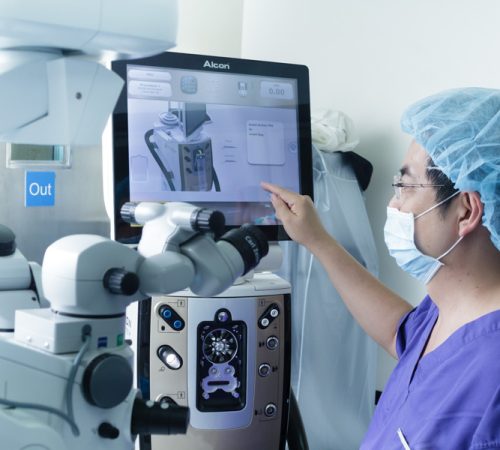
Surgical interventions may be necessary in cases where uveitis causes complications such as cataracts or glaucoma. Peregrine Eye and Laser Institute is equipped with state-of-the-art operating theaters and advanced diagnostic equipment, allowing precise treatment of both simple and complex uveitis cases. Customized care plans ensure patients receive the most effective combination of therapies for their unique situation.
Risks of Untreated Uveitis
Without proper uveitis treatment, the condition can become chronic or recurrent. Chronic inflammation increases the risk of developing serious eye problems. Cataracts may form, leading to clouded vision, while elevated eye pressure from glaucoma can cause optic nerve damage. Retinal complications, such as swelling or detachment, may also occur. In severe cases, untreated uveitis can result in permanent vision loss.
The risks highlight the importance of early intervention and ongoing monitoring. Regular follow-up visits allow ophthalmologists to adjust treatment plans as needed, ensuring inflammation is effectively managed and vision remains protected.
Why Choose Peregrine Eye and Laser Institute
Peregrine Eye and Laser Institute provides comprehensive uveitis treatment led by highly trained ophthalmologists with international experience. The specialists have studied at top institutions such as Harvard Medical School, Johns Hopkins University, UCLA, California Pacific Medical Center, the University of Wisconsin, and Singapore National Eye Center. They bring decades of clinical and surgical experience to every case.
PELI’s facilities feature advanced diagnostic and surgical equipment designed for precision and comfort. Patients benefit from a full range of ophthalmic services, including specialized care for chronic or complex uveitis cases. Clinics are conveniently located in Makati, Manila, and Quezon City, providing accessibility for patients across Metro Manila.
The institute emphasizes patient-centered care. Each treatment plan is personalized, ensuring patients understand their options and receive guidance throughout the uveitis treatment process. PELI’s staff includes highly skilled allied medical professionals who undergo continuous training, maintaining the highest standards of care and service. Comfortable clinic environments, efficient scheduling, and modern IT systems enhance the patient experience while delivering medical excellence.
Takeaway
Uveitis treatment is essential for preserving vision and preventing long-term eye damage. Identifying the cause, managing inflammation, and receiving personalized care from experienced specialists ensure the best outcomes. Peregrine Eye and Laser Institute offers expert uveitis treatment, advanced diagnostic technology, and compassionate care to protect eye health for patients across Metro Manila. Timely intervention can prevent chronic problems and safeguard vision for the future.
Protect your vision today by scheduling a consultation at Peregrine Eye and Laser Institute and receive comprehensive, professional uveitis treatment tailored to your needs.
FAQs About Uveitis Treatment
How long does uveitis treatment take?
The duration of uveitis treatment depends on the cause, severity, and response to therapy. Some cases resolve within weeks, while chronic or recurrent uveitis may require ongoing management.
Can uveitis recur after treatment?
Yes, uveitis can recur, especially in patients with autoimmune conditions. Regular follow-up appointments help detect early signs of recurrence and allow adjustments to treatment plans.
Is uveitis hereditary?
Uveitis is generally not hereditary. However, autoimmune disorders that increase the risk of uveitis may run in families.
What lifestyle changes can help manage uveitis?
Maintaining overall eye health through proper nutrition, avoiding eye injuries, managing autoimmune conditions, and adhering to prescribed medications can help reduce the risk of flare-ups.
When should I see a specialist for uveitis treatment?
Patients experiencing eye redness, pain, light sensitivity, floaters, or blurred vision should consult an ophthalmologist immediately. Early evaluation can prevent complications and preserve vision.