Glaucoma is a leading cause of irreversible vision loss worldwide, affecting millions of individuals across different age groups. Often called the “silent thief of sight,” glaucoma gradually damages the optic nerve, frequently without noticeable symptoms until significant vision loss occurs. Protecting your eyesight from glaucoma-related vision loss requires awareness, timely detection, and expert care. Lee Tan Eye Center stands out as a trusted institution offering advanced glaucoma screening, treatment, and follow-up care to preserve vision.
Understanding Glaucoma
Glaucoma encompasses a group of eye conditions that damage the optic nerve, typically caused by increased intraocular pressure (IOP). The most common type is open-angle glaucoma, which develops slowly and painlessly, often going unnoticed until vision impairment becomes evident. Angle-closure glaucoma, although less common, can progress rapidly and requires urgent medical attention. Other forms, such as normal-tension glaucoma, can affect the optic nerve even when eye pressure is normal. Recognizing the types of glaucoma and understanding how they impact vision is crucial for prevention and early intervention.
Risk Factors That Affect Your Eyes
Certain factors increase the likelihood of developing glaucoma. Age is a primary risk factor, with individuals over 40 more susceptible. Family history plays a significant role, as glaucoma tends to run in families. Medical conditions like diabetes, hypertension, and chronic eye inflammation can also contribute to glaucoma risk. Lifestyle factors, including smoking, prolonged screen exposure, and inadequate nutrition, may worsen eye health. Regular eye exams are essential for individuals with these risk factors, allowing early detection and timely management of glaucoma before irreversible vision loss occurs.
Early Detection and Regular Eye Exams
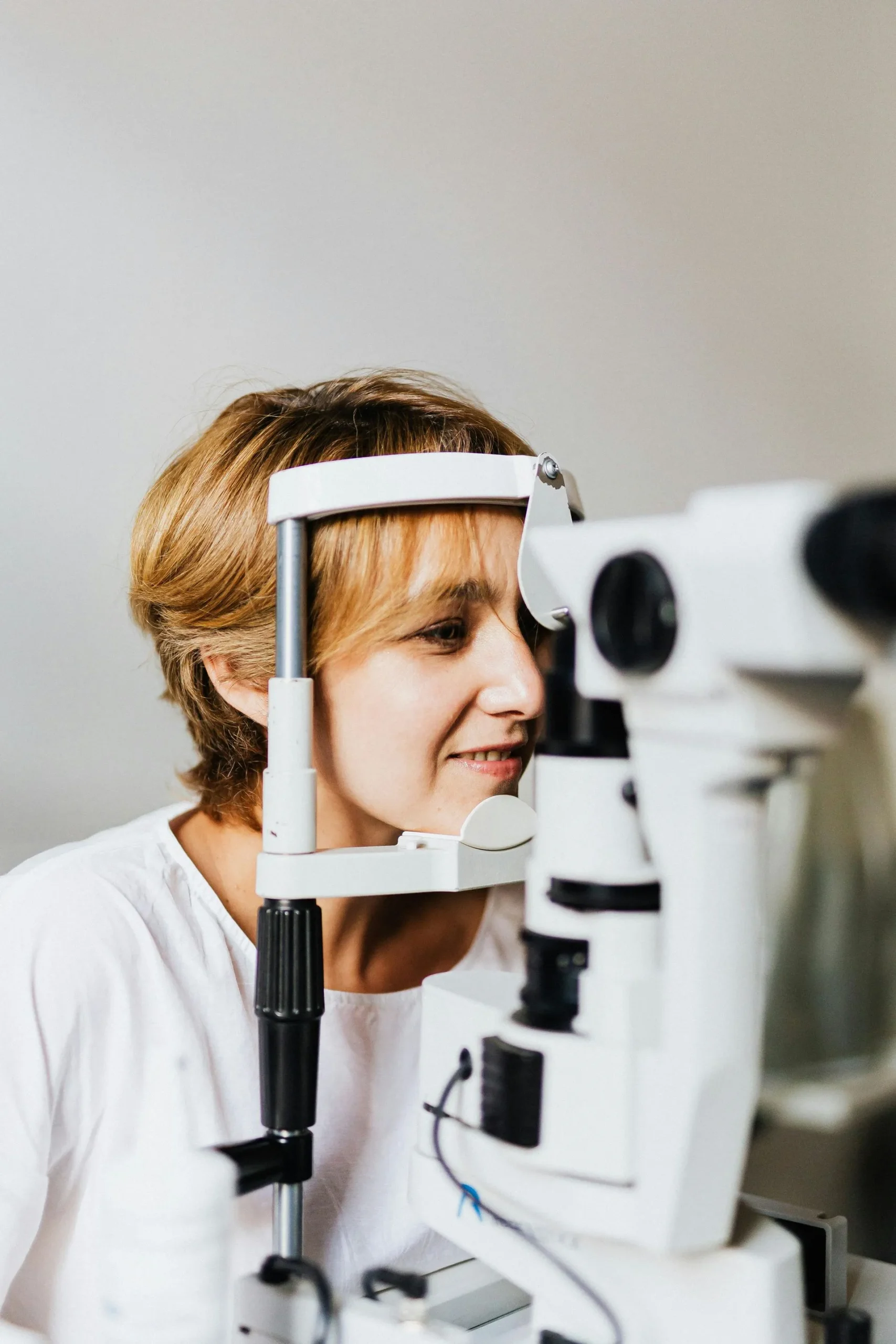
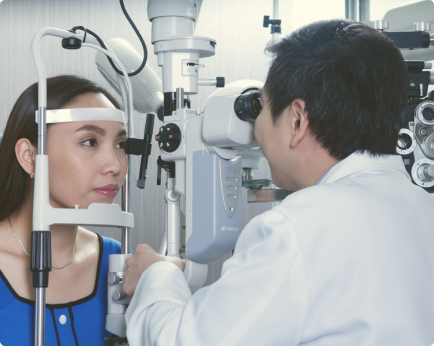
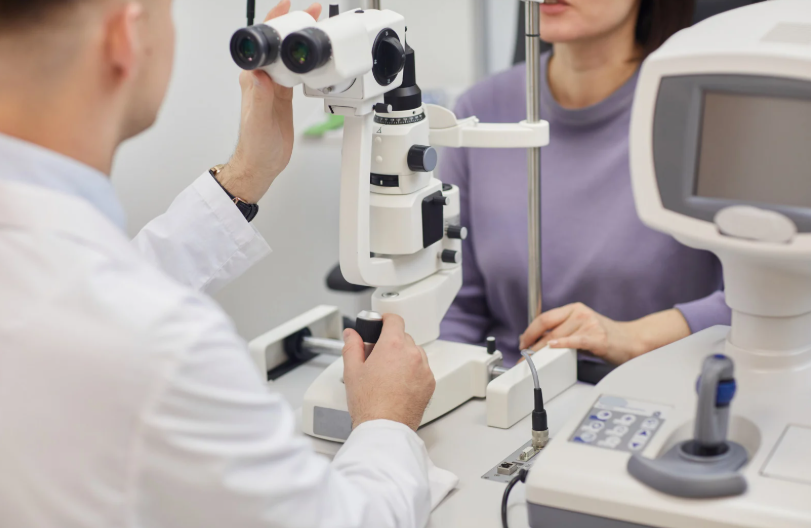
Early detection is the most effective way to protect sight from glaucoma-related damage. Comprehensive eye exams can identify elevated intraocular pressure, optic nerve damage, and visual field loss, even before symptoms appear. Tests such as tonometry, visual field testing, and optic nerve imaging are critical tools in diagnosing glaucoma. Routine screening is especially important for high-risk individuals. Lee Tan Eye Center provides state-of-the-art glaucoma testing and screening services, ensuring accurate diagnosis and early intervention to safeguard vision.
Treatment Options for Glaucoma
Glaucoma treatment focuses on lowering eye pressure to prevent further optic nerve damage. Medications, typically in the form of prescription eye drops, help reduce intraocular pressure and slow disease progression. Oral medications may also be prescribed in certain cases. Laser therapies, such as selective laser trabeculoplasty, provide non-invasive options to manage glaucoma effectively. In advanced cases, surgical interventions can help preserve remaining vision. Adherence to prescribed treatment plans is essential, and the experts at Lee Tan Eye Center ensure patients receive personalized care tailored to their glaucoma management needs.
Lifestyle Choices to Support Eye Health
Maintaining overall eye health plays a vital role in preventing glaucoma progression. A diet rich in antioxidants, vitamins A, C, and E, and omega-3 fatty acids supports optic nerve health. Regular physical activity can help lower eye pressure and promote circulation. Avoiding smoking, managing chronic conditions like diabetes and hypertension, and minimizing prolonged screen exposure also contribute to protecting vision from glaucoma-related damage. Simple habits such as wearing protective eyewear during activities that may injure the eyes further reduce risks. Lee Tan Eye Center provides guidance on lifestyle modifications that complement medical treatments for glaucoma.
Advanced Monitoring and Follow-Up Care
Glaucoma is a chronic condition requiring ongoing monitoring. Patients must track changes in vision and eye pressure to prevent irreversible damage. Advanced monitoring technologies, including home-based pressure tracking devices, enable proactive management. Regular follow-up appointments ensure that treatments remain effective and adjustments are made as needed. Lee Tan Eye Center excels in providing continuous glaucoma care, offering comprehensive follow-up programs, patient education, and access to the latest technologies in eye care.
Takeaway
Protecting sight from glaucoma-related vision loss requires vigilance, lifestyle awareness, and professional medical care. Early detection, adherence to treatments, and ongoing monitoring are key factors in preserving vision. Trusting specialists like Lee Tan Eye Center ensures access to advanced glaucoma care, expert guidance, and a proactive approach to maintaining healthy eyesight for life. Schedule regular eye exams and consult with professionals to safeguard your vision against glaucoma.
Frequently Asked Questions (FAQ)
Can glaucoma be cured completely?
Currently, glaucoma cannot be cured, but it can be effectively managed with early detection, medications, laser treatments, and surgery to prevent further vision loss.
How often should I get screened for glaucoma?
Individuals over 40 or with risk factors should have comprehensive eye exams at least once every one to two years. High-risk patients may require more frequent monitoring.
Are there natural remedies that help prevent glaucoma?
While a healthy lifestyle can support eye health, natural remedies cannot replace medical treatment. Regular check-ups and following prescribed glaucoma therapy are essential.
What are the warning signs of vision loss from glaucoma?
Symptoms may include gradual loss of peripheral vision, blurred vision, eye pain, halos around lights, and headaches. Often, glaucoma progresses silently, highlighting the importance of regular exams.
Why choose Lee Tan Eye Center for glaucoma care?
Lee Tan Eye Center provides expert glaucoma screening, advanced treatment options, and personalized follow-up care, ensuring patients receive the best protection against vision loss.