
Understanding Vaginismus and How It Affects the Body and Mind
Vaginismus is a condition where the muscles of the pelvic floor involuntarily tighten when vaginal penetration is attempted or anticipated. This response happens automatically and is not under conscious control, which often leads to confusion and distress. Many individuals only realize something is wrong when they experience repeated difficulty during intercourse or gynecological exams. The condition can range from mild discomfort to complete inability to tolerate penetration. Emotional reactions such as fear, anxiety, or embarrassment may develop alongside physical symptoms. These emotional responses can further reinforce muscle tightening, creating a cycle that feels difficult to break. Despite its challenges, vaginismus treatment offers structured pathways toward improvement and recovery.
The condition can affect both physical comfort and emotional well-being in significant ways. Some individuals begin avoiding intimacy or medical examinations due to anticipation of pain or discomfort. This avoidance can increase anxiety and reduce confidence over time. Relationships may also feel strained when communication about the condition is limited. However, understanding that vaginismus is a treatable condition helps reduce self-blame and encourages proactive care. With appropriate support, individuals can gradually regain comfort and control over their bodies.
Factors That Contribute to Vaginismus Development
Vaginismus does not usually arise from a single cause but rather from a combination of influences. Psychological factors are often involved, including fear of pain, anxiety about intimacy, or past distressing experiences. Cultural upbringing and beliefs about sexuality may also shape how the body responds to sexual situations. In some cases, physical factors such as infections, surgeries, or childbirth trauma can contribute to heightened sensitivity. Relationship stress or lack of emotional safety may also increase muscle tension during intimacy. These influences can interact and reinforce one another over time.
The body’s protective mechanisms play a major role in this condition. When the nervous system perceives threat or discomfort, it triggers muscle contraction as a defense response. Over time, this reaction can become conditioned, meaning it occurs even when there is no actual danger. This learned response is an important focus of vaginismus treatment, as it can be gradually retrained. Understanding these contributing factors helps reduce fear and encourages a more compassionate view of the condition. It also supports a more structured and effective recovery process.
Common Symptoms and Real-Life Experiences
The symptoms of vaginismus can vary widely depending on severity and individual circumstances. One of the most common signs is difficulty or inability to tolerate penetration during intercourse or medical exams. Many individuals describe sensations of tightness, burning, or stinging in the vaginal area. Involuntary muscle spasms may occur when penetration is attempted or even anticipated. Emotional symptoms such as anxiety, fear, or avoidance of intimacy are also common. Some individuals notice that symptoms worsen during stressful periods or unfamiliar situations. These patterns often develop gradually, making early recognition important.
Vaginismus can also influence daily emotional experiences and relationship dynamics. Many individuals begin associating intimacy with discomfort, which may lead to avoidance behaviors. This avoidance can reinforce anxiety and increase muscle tension over time. Feelings of frustration or confusion are common, especially when the condition is not well understood. Some may feel isolated or unsure about seeking help. Recognizing symptoms early allows for timely vaginismus treatment and improved outcomes. Awareness also helps healthcare providers design more personalized care plans.
Diagnosis and Medical Evaluation Process
Diagnosing vaginismus involves both physical and emotional assessment. Healthcare providers typically begin with a detailed medical history, including past pelvic conditions, surgeries, or infections. A gentle pelvic examination may be attempted if the patient is comfortable. If not, alternative assessment approaches are used to avoid discomfort. The goal is to rule out other possible causes of pain or tightness. Open communication between patient and provider is essential throughout the process.
Emotional and psychological factors are also explored during evaluation. Stress levels, anxiety patterns, and relationship dynamics may be discussed. Many providers use a multidisciplinary approach involving gynecologists, physical therapists, and mental health professionals. This ensures a holistic understanding of the condition. Early diagnosis is beneficial because it allows individuals to begin vaginismus treatment sooner. A supportive evaluation process can also reduce fear and build trust in the recovery journey.
Evidence-Based Vaginismus Treatment Options
Vaginismus treatment typically involves a combination of physical therapy, psychological support, and behavioral techniques. Each method addresses different aspects of the condition. Treatment is individualized based on comfort level, emotional readiness, and severity. A gradual and supportive approach is essential for success.
Common treatment methods include:
- Pelvic floor physical therapy to retrain muscle control
- Vaginal dilator therapy for gradual desensitization
- Cognitive behavioral therapy for anxiety and fear reduction
- Sex therapy to improve communication and intimacy
- Relaxation techniques such as breathing and mindfulness
- Medical options such as muscle relaxants or Botox in severe cases
Pelvic floor therapy helps individuals learn how to identify and relax tense muscles. Dilator therapy introduces gradual exposure to penetration in a controlled and safe manner. Cognitive behavioral therapy helps change negative thought patterns that reinforce fear. Sex therapy focuses on rebuilding comfort and emotional connection with a partner. Relaxation techniques help regulate the nervous system and reduce involuntary muscle tightening. In some cases, medical interventions are used when other therapies are not enough.
Role of the Pelvic Floor in Vaginismus
The pelvic floor is a group of muscles that support the bladder, uterus, and bowel. In vaginismus, these muscles contract involuntarily in response to perceived threat or anxiety. This response is protective but becomes problematic when triggered in non-threatening situations. Over time, the body may develop a habitual pattern of tightening during intimacy or examinations. This makes penetration difficult or impossible without intervention. Understanding this mechanism is essential for effective vaginismus treatment.
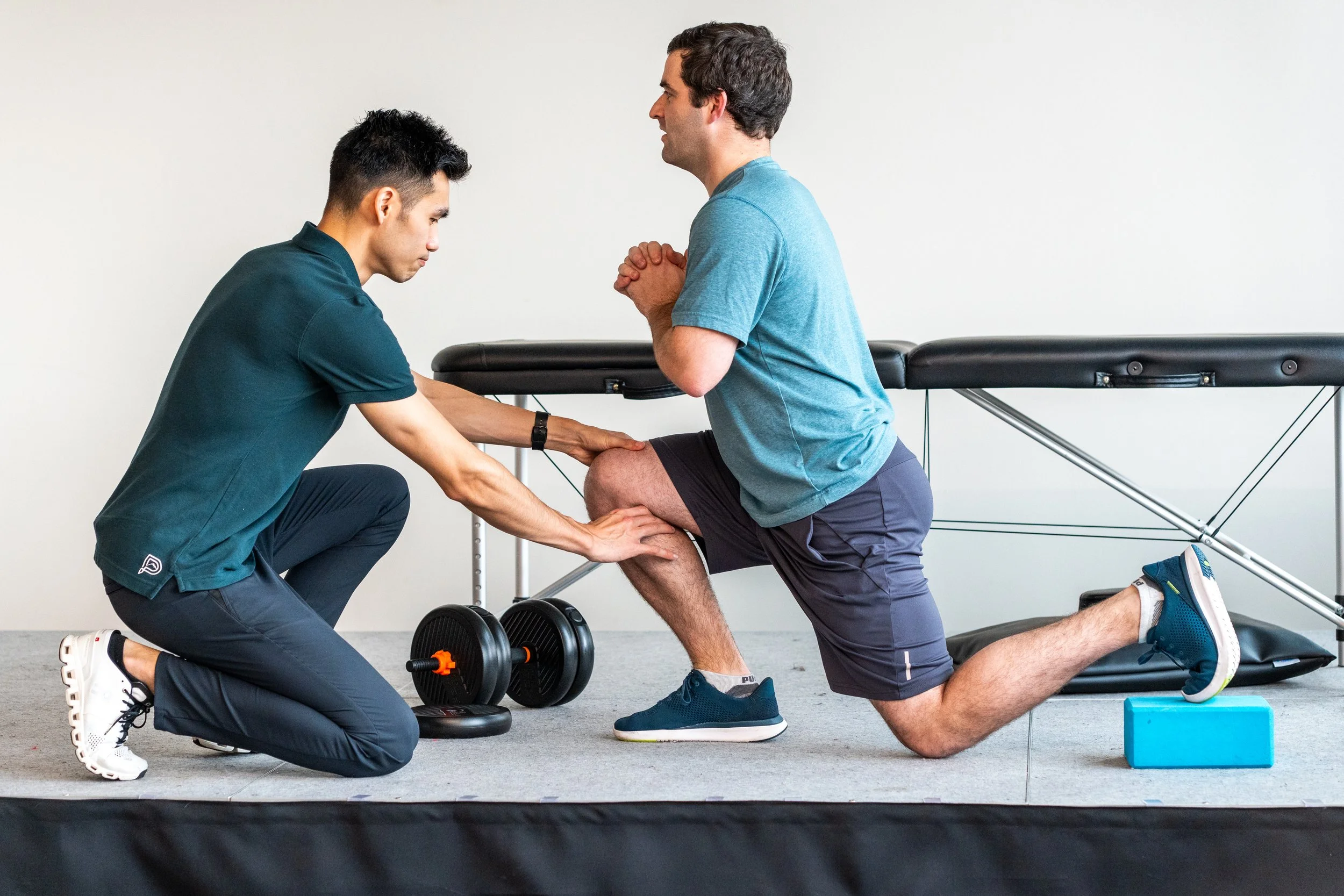
Reconditioning the pelvic floor involves gradual training and relaxation techniques. Physical therapists often use guided exercises and biofeedback tools to improve awareness. Individuals learn how to consciously relax muscles that previously contracted automatically. This process requires patience and consistency over time. As progress continues, the nervous system becomes less reactive to triggers. This forms a core part of long-term recovery.
Stages of Recovery in Vaginismus Treatment
Recovery from vaginismus typically follows a gradual and structured process. Each stage builds comfort and reduces fear over time. Early stages focus on awareness and relaxation rather than penetration. Later stages introduce gradual exposure techniques. Emotional support remains important throughout the entire process.
Progress stages may include:
- Education about pelvic anatomy and function
- Breathing and relaxation exercises
- Gentle pelvic muscle awareness training
- Gradual use of vaginal dilators
- Controlled intimacy exercises with or without a partner
- Maintenance of relaxation and confidence techniques
Each stage is tailored to individual comfort levels. Some individuals progress quickly, while others need more time at certain stages. Temporary setbacks may occur but are normal. Consistency and patience are key factors in success. Over time, many individuals experience significant improvement in comfort and confidence.
Emotional and Psychological Effects
Vaginismus can have a strong emotional impact on individuals. Many experience frustration, confusion, or anxiety related to their symptoms. The disconnect between desire and physical response can be distressing. This may affect self-esteem and confidence. Anxiety around intimacy can become more pronounced over time. Emotional healing is an essential part of vaginismus treatment.
Therapy helps individuals process emotions and reduce fear-based responses. Reducing shame and self-blame is an important part of recovery. Emotional validation from professionals and partners can improve outcomes. As emotional confidence improves, physical symptoms often decrease. This connection between mind and body is central to recovery.
Partner Support and Relationship Dynamics
Partner involvement can play a significant role in recovery. Open communication helps reduce misunderstandings and emotional distance. A supportive partner can help create a safe environment for healing. Pressure-free intimacy is important during the recovery process. Couples therapy may also be beneficial.
Helpful partner behaviors include:
- Listening without judgment
- Respecting comfort levels
- Avoiding pressure during intimacy
- Encouraging open communication
- Participating in therapy when appropriate
When partners understand the condition, recovery becomes more collaborative. Emotional safety within the relationship supports better outcomes. Patience and empathy are essential throughout the process. Strong relationship support often improves confidence and reduces anxiety.
Self-Care Strategies for Ongoing Support
Self-care is an important part of maintaining progress during vaginismus treatment. These practices help reduce stress and support muscle relaxation. Consistency is more important than intensity. Creating a calm environment enhances effectiveness.
Helpful strategies include:
- Deep breathing exercises
- Gentle stretching or yoga
- Mindfulness and grounding techniques
- Journaling emotional patterns
- Guided pelvic relaxation exercises
- Establishing a calm daily routine
These practices help regulate the nervous system and reduce tension. They also improve emotional awareness and self-confidence. Over time, they support long-term recovery. Self-care complements professional treatment. It also helps individuals feel more in control of their healing journey.
When to Seek Professional Help
Professional support is recommended when symptoms persist or affect quality of life. Difficulty with penetration despite self-care is a common reason to seek help. Emotional distress related to intimacy is another important factor. Avoidance of medical care or relationships may also indicate the need for treatment. Early intervention leads to better outcomes.
Healthcare providers offer structured vaginismus treatment tailored to individual needs. They also help identify underlying physical or emotional causes. A multidisciplinary approach ensures comprehensive care. Seeking help is a proactive step toward recovery. Professional guidance increases the likelihood of long-term improvement.
Frequently Asked Questions
What is vaginismus treatment focused on?
It focuses on reducing involuntary muscle tightening and addressing emotional factors like fear and anxiety through physical and psychological therapies.
How long does recovery take?
Recovery time varies. Some improve in weeks, while others may take months depending on severity and consistency of treatment.
Can vaginismus go away completely?
Yes, many individuals experience full recovery with proper vaginismus treatment and consistent therapy.
Are vaginal dilators painful?
They may cause mild discomfort initially, but they are designed for gradual and controlled use to ensure comfort over time.
Can vaginismus return?
Symptoms can return if triggers are not managed, but continued awareness and self-care reduce this risk.
Takeaway
Vaginismus treatment is a structured and evidence-based process that addresses both physical and emotional aspects of pelvic floor dysfunction. With consistent therapy, supportive care, and gradual progression, individuals can regain comfort, confidence, and control over their bodies.