Orchidopexy is a surgical procedure designed to correct undescended testicles, a condition medically referred to as cryptorchidism. Undescended testicles are common in newborn boys, and when left untreated, they can lead to complications such as infertility, testicular torsion, and even an increased risk of testicular cancer. At The Specialist Surgery & Cancer Center (TSSCC) in Quezon City, Metro Manila, patients benefit from expert surgical care, modern facilities, and a patient-focused environment that ensures both safety and comfort during Orchidopexy. Early diagnosis and timely treatment are essential, and TSSCC emphasizes accessible, affordable care without compromising quality.
What is Orchidopexy?
Orchidopexy is a surgical operation aimed at moving an undescended testicle into the scrotum and securing it in place. This procedure helps ensure normal testicular function and reduces the risk of long-term complications. Undescended testicles occur when one or both testes fail to move down from the abdomen into the scrotum during fetal development or early infancy. Cryptorchidism affects approximately 3% of full-term newborn boys and up to 30% of premature infants.
Performing Orchidopexy at the right age is crucial. Pediatric urologists typically recommend surgery between six months and one year of age to optimize fertility outcomes and reduce cancer risk. Orchidopexy is generally safe, minimally invasive, and often performed as an outpatient procedure, allowing children to recover in the comfort of their own homes.
At TSSCC, every Orchidopexy procedure is conducted under strict medical standards, ensuring sterile conditions, precise surgical techniques, and attentive post-operative care. Our team of expert doctors prioritizes early intervention to prevent potential complications, making the procedure both effective and reassuring for parents.
Who Needs Orchidopexy?
Orchidopexy is most commonly recommended for children diagnosed with undescended testicles. Signs of cryptorchidism may include a scrotum that appears smaller on one side, a testicle that cannot be felt, or abnormalities discovered during routine pediatric checkups. Some children may have a testicle that descends spontaneously within the first few months of life, but if the testicle has not descended by six months, surgical correction is often advised.
Children with undescended testicles require Orchidopexy to prevent long-term complications. Without surgical intervention, there is an increased risk of infertility, testicular torsion, trauma, and testicular cancer. Boys with a history of premature birth, family history of undescended testicles, or certain genetic conditions may also be more likely to require Orchidopexy.
TSSCC provides comprehensive evaluation for patients who may need Orchidopexy. Our team offers careful assessment, diagnostic imaging when necessary, and a personalized treatment plan for each child. Families from Quezon City, Metro Manila, and other parts of the Philippines trust TSSCC for timely interventions and guidance to support their child’s health.
How Orchidopexy is Performed
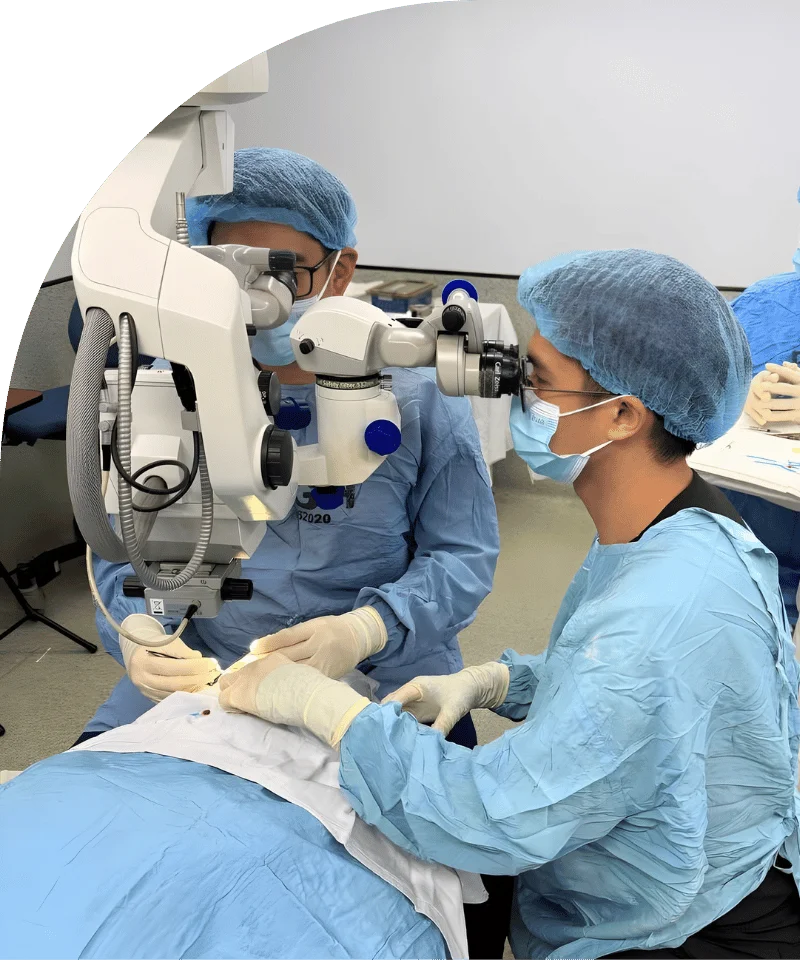
Orchidopexy is usually performed under general anesthesia to ensure the child is comfortable and pain-free. The procedure involves making a small incision near the groin or scrotum, locating the undescended testicle, and carefully mobilizing it into the correct position. The surgeon then secures the testicle in the scrotum with gentle sutures, ensuring proper placement while minimizing trauma to surrounding tissues.
Modern surgical techniques allow Orchidopexy to be performed safely with minimal risk of complications. In some cases, laparoscopic procedures are used to locate and reposition the testicle, especially when it is located higher in the abdomen. TSSCC surgeons have extensive experience in both traditional and minimally invasive approaches, ensuring each Orchidopexy is performed with precision.
After surgery, the child is monitored in the recovery area until fully awake and stable. Most patients can return home the same day, and parents are given detailed instructions for post-operative care, including wound management, activity restrictions, and signs of potential complications.
Benefits of Orchidopexy
Orchidopexy provides numerous benefits for children with undescended testicles. Correcting the testicle’s position promotes normal testicular function, reduces the risk of infertility, and decreases the likelihood of developing testicular cancer later in life. The procedure also prevents complications such as testicular torsion, which can cause severe pain and permanent damage if left untreated.
Beyond medical benefits, Orchidopexy can have positive psychosocial effects. Children with undescended testicles may experience discomfort or embarrassment as they grow older. Surgical correction restores normal anatomy, boosting confidence and comfort. TSSCC emphasizes a child-friendly environment, ensuring that both patients and their families feel supported throughout the Orchidopexy process.
Recovery and Aftercare
Recovery after Orchidopexy is typically smooth and straightforward. Children may experience mild swelling, bruising, or discomfort around the incision site, which can be managed with prescribed pain medication. Most children return to normal activities within a week or two, though contact sports and strenuous activity are usually restricted for a few weeks to ensure proper healing.
Parents are advised to monitor the surgical site for signs of infection, such as redness, increased swelling, or discharge. Follow-up appointments at TSSCC allow doctors to evaluate healing, check testicle placement, and address any concerns. The clinic provides clear guidance for post-operative care, helping families feel confident and prepared during the recovery period.
By performing Orchidopexy in a clean, outpatient setting, TSSCC reduces exposure to hospital-acquired infections and allows children to recover comfortably at home. Our team remains available for consultation throughout the healing process, reinforcing TSSCC’s commitment to patient-focused care.
Why Choose TSSCC for Orchidopexy
Choosing TSSCC for Orchidopexy ensures families receive expert care, personalized attention, and affordable treatment. Our surgeons specialize in pediatric urology and have extensive experience performing Orchidopexy safely and effectively. The clinic’s clean, modern facilities provide a welcoming environment that supports both children and parents throughout the surgical journey.
TSSCC is committed to reducing unnecessary hospital visits by offering outpatient procedures, allowing children to recover at home under expert supervision. Our value-for-money services make early surgical intervention accessible to Filipino families, helping prevent future complications and high medical costs.
As a social enterprise, TSSCC prioritizes early diagnosis and proper treatment. By encouraging families to address medical issues promptly, we reduce pain, costs, and the risk of severe complications. Our clinics in Quezon City, Metro Manila, provide convenient access to high-quality surgical care for families across the region.
Takeaway
Orchidopexy is a safe and effective surgery for correcting undescended testicles, preventing complications, and promoting healthy testicular function. Families seeking expert care in Quezon City, Metro Manila, can trust The Specialist Surgery & Cancer Center for affordable, patient-focused treatment. TSSCC combines experienced surgeons, modern facilities, and a supportive environment to ensure every child receives the highest quality care. Early diagnosis and timely Orchidopexy make a lasting difference in both health and quality of life. Parents are encouraged to consult TSSCC for evaluation, guidance, and expert surgical management of undescended testicles.
Frequently Asked Questions (FAQs)
At what age should Orchidopexy be performed?
Orchidopexy is typically recommended between six months and one year of age to optimize fertility outcomes and reduce the risk of testicular cancer. Early intervention is crucial for best results.
Is Orchidopexy painful for children?
The procedure is performed under general anesthesia, ensuring the child feels no pain during surgery. Mild discomfort may occur during recovery and can be managed with prescribed medication.
Are there any risks or complications associated with Orchidopexy?
Orchidopexy is generally safe, but potential risks include infection, bleeding, or minor swelling. Serious complications are rare, especially when performed by experienced surgeons at a clean, modern facility like TSSCC.
How long is the recovery period after Orchidopexy?
Most children recover within one to two weeks, though full healing and resumption of strenuous activity may take several weeks. Follow-up appointments ensure proper recovery.
Can Orchidopexy affect fertility later in life?
When performed at the recommended age, Orchidopexy significantly reduces fertility risks associated with undescended testicles. Early treatment helps preserve normal testicular function.
Can older children or adolescents still undergo Orchidopexy?
Yes, Orchidopexy can be performed on older children or adolescents, though earlier treatment generally leads to better outcomes. TSSCC evaluates each case individually to provide the most appropriate surgical plan.
Does TSSCC offer affordable Orchidopexy procedures?
TSSCC provides value-for-money treatment, ensuring families can access early surgical care without the burden of excessive costs. Outpatient procedures help reduce additional hospital fees.
Is Orchidopexy performed on an outpatient basis at TSSCC?
Yes, most Orchidopexy procedures at TSSCC are outpatient, allowing children to return home the same day. This approach reduces exposure to hospital-acquired infections and supports a comfortable recovery.