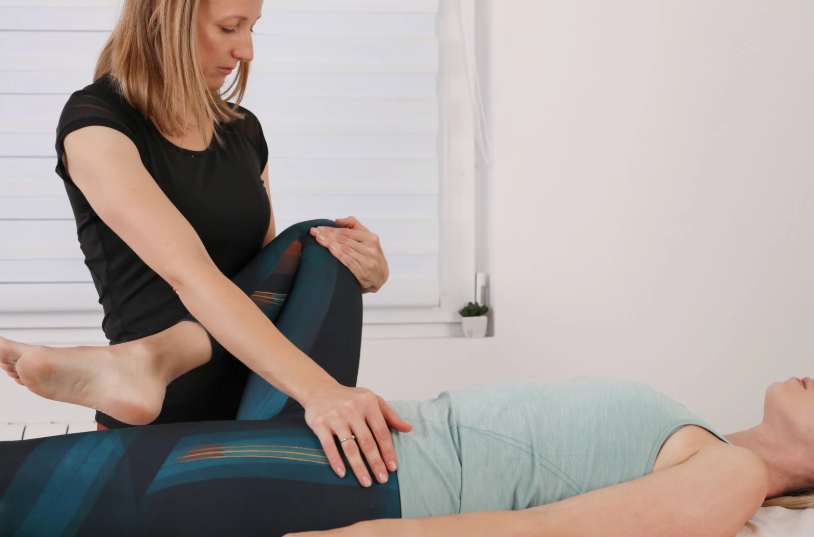

Understanding Femoral Neck Fractures
The femoral neck is a critical part of the hip that connects the femoral head to the main shaft of the thigh bone. It plays a vital role in supporting body weight and allowing smooth movement of the leg. A femoral neck fracture occurs when this region of the femur breaks, which can result from a fall, high-impact trauma, or weakening of the bone due to conditions like osteoporosis. Elderly individuals, especially women with low bone density, are at a higher risk, but younger patients may also experience these fractures due to accidents or sports injuries. Early recognition of symptoms such as sudden hip pain, inability to bear weight on the affected leg, swelling, or bruising is essential. Delaying treatment can lead to complications like avascular necrosis, where blood flow to the bone is compromised. Understanding the nature of this fracture helps patients and families make informed decisions about timely surgical intervention in Quezon City.
Diagnosis and Evaluation
Diagnosing a femoral neck fracture typically starts with a thorough physical examination by an orthopedic specialist. The doctor will assess leg length, hip rotation, and signs of tenderness or deformity. Imaging studies are crucial, with X-rays often being the first tool to confirm the fracture. For complex or subtle fractures, a CT scan or MRI may provide a clearer picture of bone displacement and surrounding tissue condition. Timely diagnosis directly affects surgical success, as delayed treatment increases the risk of complications. Before surgery, patients undergo preoperative assessments such as blood tests, heart evaluations, and overall health checks to ensure safety. Local hospitals in Quezon City are equipped to provide these assessments efficiently, ensuring that patients are well-prepared for the next steps in their treatment.
Surgical Options for Femoral Neck Fractures
The type of surgery recommended depends on the patient’s age, activity level, and the severity of the fracture. Internal fixation involves using screws, pins, or plates to hold the bone fragments together and allow them to heal naturally. This method is often preferred for younger patients with good bone quality. Hemiarthroplasty, or partial hip replacement, involves replacing only the femoral head and is commonly chosen for elderly patients with displaced fractures. Total hip replacement replaces both the femoral head and the hip socket, offering better long-term mobility for active seniors. Orthopedic surgeons in Quezon City carefully evaluate the patient’s medical history, lifestyle, and fracture type before deciding the most suitable surgical approach. These procedures aim to restore mobility, reduce pain, and prevent further complications. Proper surgical planning is critical to ensure both short-term recovery and long-term joint function.
Preparing for Surgery in Quezon City
Preparation for femoral neck fracture surgery includes following medical instructions carefully and attending all preoperative appointments. Patients may need to fast for several hours before surgery and temporarily stop certain medications under the guidance of their doctors. Anesthesia options, such as general or regional anesthesia, are discussed to match the patient’s health condition and preferences. Hospitals in Quezon City provide a structured environment for pre-surgery preparation, including counseling and education about the procedure. Mental readiness is equally important, as patients who understand the process tend to experience smoother recovery. Physical preparation may include gentle exercises to maintain mobility before surgery. Clear communication with the healthcare team ensures that patients feel confident and supported throughout the surgical journey.
What to Expect During Femoral Neck Fracture Surgery
Femoral neck fracture surgery is typically performed under anesthesia and can last anywhere from one to three hours, depending on the complexity of the fracture and the chosen surgical method. Surgeons carefully reposition broken bone fragments or replace the femoral head as needed. Hospitals in Quezon City follow strict protocols to minimize infection risk and ensure patient safety during surgery. Pain management begins immediately, with medications and other strategies to control discomfort postoperatively. Possible complications, though uncommon, include blood clots, infection, or issues with implant stability, and hospitals are well-prepared to manage them. Patients may notice immediate relief from instability but should understand that full mobility requires rehabilitation. During surgery, teamwork between anesthesiologists, surgeons, and nurses ensures that every step prioritizes the patient’s well-being and long-term recovery outcomes.
Recovery and Rehabilitation
Recovery after femoral neck fracture surgery is gradual and requires a combination of medical care, physical therapy, and lifestyle adjustments. Patients usually stay in the hospital for a few days, during which healthcare providers monitor vital signs and surgical sites. Early mobilization, often guided by a physical therapist, is key to regaining strength and preventing complications such as blood clots or muscle loss. Physical therapy focuses on improving leg strength, balance, and hip flexibility, with exercises tailored to the patient’s age and fitness level. Home care plays an essential role, including safe living arrangements, use of assistive devices like walkers, and proper nutrition to support bone healing. Signs such as persistent pain, swelling, or fever should be reported promptly to prevent complications. Long-term mobility depends on adherence to rehabilitation programs, and many patients regain independence within months with consistent effort.
Cost and Insurance Considerations
The cost of femoral neck fracture surgery in Quezon City varies based on hospital choice, type of surgery, and length of hospital stay. Internal fixation tends to be less expensive than partial or total hip replacement, but insurance coverage can offset costs significantly. Patients should check their health insurance policies to understand coverage, including hospital fees, surgeon fees, and postoperative care. Public hospitals may offer more affordable options, while private hospitals provide additional amenities and faster scheduling. Financial planning is important, as unexpected medical expenses can add up quickly. Some hospitals also offer payment plans or financing options for patients who need assistance. Discussing costs openly with hospital administrators helps patients make informed decisions without added stress.
Choosing the Right Hospital and Surgeon
Selecting a hospital and orthopedic surgeon in Quezon City is a crucial step that can affect surgical outcomes. Patients should consider factors such as the surgeon’s experience with femoral neck fractures, hospital facilities, and success rates. Checking patient reviews and seeking referrals from trusted sources can provide insights into the quality of care. Questions to ask before surgery include: the number of similar procedures performed, expected recovery timelines, and rehabilitation support available. Hospitals that specialize in orthopedic care often have dedicated teams for preoperative planning and postoperative rehabilitation. Trust, clear communication, and confidence in the medical team improve the overall patient experience. Choosing the right facility ensures that patients receive high-quality care throughout the surgical and recovery process.
Frequently Asked Questions (FAQ)
- How long does recovery take after femoral neck fracture surgery?
Recovery can vary, but most patients regain mobility within three to six months, with full recovery taking up to a year in some cases. - What are the risks associated with femoral neck fracture surgery?
Risks include infection, blood clots, implant failure, and, in rare cases, complications from anesthesia. - Can elderly patients fully regain mobility?
With proper surgery and dedicated rehabilitation, many elderly patients regain significant mobility and can resume daily activities safely. - How soon after surgery can patients start physical therapy?
Physical therapy often begins within a day or two post-surgery to prevent stiffness and promote healing. - Are there non-surgical options for femoral neck fractures?
Non-surgical management is rare and usually reserved for patients who cannot undergo surgery due to severe health risks. - Does insurance usually cover this type of surgery in Quezon City?
Many insurance plans cover femoral neck fracture surgery, but coverage depends on the specific policy and hospital network. - How to prevent future fractures after surgery?
Maintaining bone health through diet, exercise, fall prevention strategies, and regular medical checkups is essential for preventing future fractures.
Takeaway
Femoral neck fracture surgery in Quezon City offers patients the opportunity to restore mobility, reduce pain, and prevent long-term complications. Understanding the fracture, evaluating treatment options, and preparing for surgery ensures better outcomes. Choosing a trusted hospital and experienced surgeon, following a structured rehabilitation program, and monitoring recovery closely are essential steps. With proper care and commitment, patients can regain independence and return to their daily routines safely.