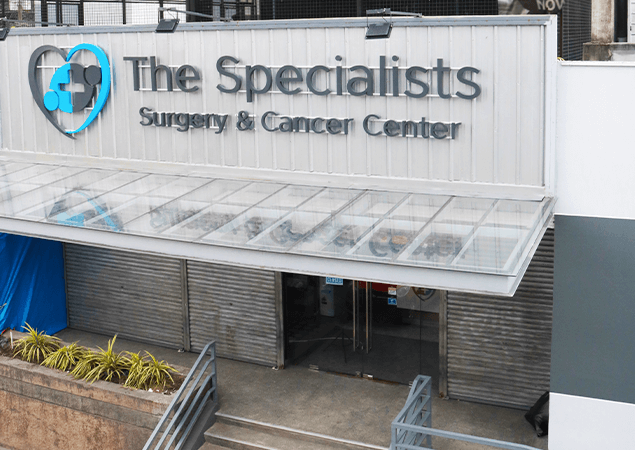
Proper wound care is essential for healing and preventing complications. Debridement is a medical procedure that removes dead, damaged, or infected tissue to support healthy tissue growth and speed recovery. Patients with chronic, post-surgical, or traumatic wounds often require Debridement to prevent infection and allow wounds to heal effectively. At The Specialist Surgery & Cancer Center (TSSCC) in Quezon City, Metro Manila, skilled doctors provide Debridement with a focus on safety, precision, and patient comfort. Our clinics prioritize early diagnosis, timely treatment, and accessible healthcare for individuals across Metro Manila and other regions of the Philippines.
Debridement is more than a procedure; it is a step toward faster recovery and preventing unnecessary hospital visits. Patients can receive outpatient Debridement, reducing exposure to hospital-acquired infections and allowing healing in a familiar environment. TSSCC’s experienced doctors guide patients through the entire process, ensuring wounds are cleaned and managed effectively while minimizing pain and promoting a smooth recovery.
What is Debridement?
Debridement is a medical procedure that targets tissue that is dead, damaged, or infected. Removing these tissues creates a healthy environment that encourages wound healing and reduces the risk of infection spreading to surrounding areas. When performed correctly, Debridement promotes tissue regeneration, prepares the wound for closure or additional treatment, and significantly improves patient outcomes.
This procedure is commonly applied to various wound types, including chronic wounds such as diabetic ulcers, pressure sores, post-surgical wounds that are slow to heal, and traumatic injuries with visible tissue damage. Necrotic tissue, which appears black, brown, or gray, blocks the natural healing process, and Debridement removes this barrier. At TSSCC, doctors use advanced wound-care principles to ensure the procedure is precise and safe, maintaining a clean environment and prioritizing patient comfort.
Debridement is crucial because untreated damaged tissue can become a breeding ground for bacteria, prolong recovery, and increase the likelihood of complications. Patients who receive early Debridement benefit from faster healing, less pain, and a lower risk of costly and invasive treatments in the future.
Who Needs Debridement?
Debridement is recommended for patients whose wounds do not heal naturally or show signs of tissue damage that obstruct recovery. Chronic wounds, such as diabetic ulcers and pressure sores, often require Debridement because these wounds are prone to infection and slow tissue regeneration. Post-surgical wounds that show delayed healing may also benefit from Debridement, as removing damaged tissue prevents complications and promotes faster recovery.
Traumatic injuries with visible tissue damage, including cuts, burns, or crush injuries, can develop necrotic areas that slow healing. Debridement helps manage these wounds and prepares them for additional treatment if needed. Infected wounds or those with necrotic tissue require Debridement to control infection and prevent it from spreading to surrounding areas or entering the bloodstream. Venous ulcers and wounds with persistent inflammation are additional cases where Debridement provides essential intervention.
Individuals with chronic conditions, limited mobility, or injuries at high risk of infection benefit significantly from timely Debridement. Early treatment at TSSCC ensures proper care plans are implemented, minimizing complications and avoiding unnecessary hospitalization. Patients from across Metro Manila and other parts of the Philippines visit TSSCC for expert Debridement and tailored wound management strategies.
How Debridement is Performed
Debridement is conducted by skilled doctors who carefully remove damaged tissue while preserving healthy tissue. At TSSCC, doctors perform Debridement in an outpatient setting, ensuring patients receive effective care without prolonged hospital stays. The outpatient approach allows patients to recover comfortably at home while minimizing exposure to infections commonly found in hospitals.
The procedure begins with a thorough assessment of the wound. Doctors determine the type and amount of tissue that needs removal. Techniques used for Debridement may include sharp debridement using surgical instruments, enzymatic methods with specialized dressings, or autolytic debridement that uses the body’s natural healing processes. The method selected depends on the wound type, severity, and patient health.
Debridement not only removes infected or necrotic tissue but also stimulates healthy tissue growth. By clearing damaged tissue, Debridement allows blood flow to improve and immune response to function efficiently, which accelerates wound healing. After the procedure, patients receive clear instructions on wound care, dressing changes, and monitoring for signs of infection to ensure optimal recovery.
Benefits of Choosing TSSCC for Debridement
Patients who choose TSSCC for Debridement receive high-quality, accessible care that prioritizes safety and results. One of the main benefits of Debridement at TSSCC is reduced unnecessary hospital visits. Outpatient procedures allow patients to recover at home, lowering the risk of hospital-acquired infections and minimizing disruption to daily life.
TSSCC provides affordable, value-for-money pricing to encourage patients to seek timely treatment. Early intervention with Debridement can prevent wounds from worsening, reducing the need for complex or costly treatments later. Experienced doctors provide personalized care plans, ensuring that each patient’s wound receives the attention it needs.
Debridement at TSSCC is supported by a clean and sterile environment, advanced wound-care practices, and skilled medical professionals. Patients benefit from precise treatment that targets only damaged tissue while preserving healthy areas, promoting faster healing and fewer complications. Families can feel confident that their loved ones receive expert care without unnecessary costs or delays.
The Patient Journey at TSSCC
Since its establishment in 2018, TSSCC has focused on providing accessible and affordable healthcare. Debridement is part of a larger commitment to patient-centered care, early diagnosis, and minimizing financial burdens. Each patient’s journey begins with a thorough assessment, followed by a tailored treatment plan that addresses their specific wound needs.
Doctors at TSSCC guide patients through the Debridement process with a focus on comfort, safety, and effective recovery. Education and guidance are key components of the journey, ensuring patients understand wound care, healing timelines, and preventive measures for future complications. Patients experience a seamless process, from consultation to procedure and follow-up, which reduces stress and enhances recovery outcomes.
Post-Debridement Care Tips
Successful recovery after Debridement requires proper wound care and adherence to medical guidance. Keeping the wound clean, following instructions for dressing changes, and monitoring for signs of infection are crucial steps. Patients should report any unusual symptoms such as excessive redness, swelling, or discharge to their doctor promptly.
Maintaining a healthy lifestyle, including proper nutrition, hydration, and managing chronic conditions such as diabetes, supports the healing process. Follow-up appointments at TSSCC allow doctors to monitor progress, adjust treatment plans, and provide additional care if necessary. Patients who follow post-Debridement care instructions often experience faster recovery, fewer complications, and long-term wound health.
Takeaway
Debridement is a vital procedure for patients with slow-healing, chronic, or infected wounds. By removing damaged tissue, Debridement promotes faster recovery, prevents infection, and prepares wounds for additional treatment if needed. TSSCC in Quezon City provides expert Debridement in a safe, outpatient environment, guided by skilled doctors dedicated to patient comfort and effective wound care.
Early intervention and proper post-Debridement care are essential for optimal healing. Patients who seek treatment promptly benefit from shorter recovery times, fewer complications, and reduced medical costs. Families across Metro Manila and the Philippines can trust TSSCC to provide accessible, affordable, and high-quality Debridement services that prioritize patient safety and long-term health.
Scheduling a consultation at TSSCC ensures that patients receive tailored wound care solutions, expert guidance, and the support needed for a safe and successful recovery.
FAQs About Debridement
What is Debridement?
Debridement is a medical procedure that removes dead, damaged, or infected tissue from wounds. This promotes healing, reduces infection risk, and prepares the wound for closure or additional treatment.
How long does it take for a wound to heal after Debridement?
Healing time varies depending on the type and severity of the wound, overall health, and adherence to post-procedure care. Many patients see improvement within days, while complete recovery may take weeks.
Is Debridement painful?
Debridement is typically performed under local anesthesia or appropriate pain management. Patients may experience mild discomfort, but doctors ensure the procedure is as safe and comfortable as possible.
Who needs Debridement?
Patients with slow-healing wounds, chronic ulcers, post-surgical wounds, traumatic injuries, infected wounds, or persistent inflammation often require Debridement. Early treatment prevents complications and supports faster healing.
Where can I get Debridement in Quezon City?
The Specialist Surgery & Cancer Center in Quezon City provides expert Debridement performed by skilled doctors in a clean, patient-focused environment. Patients from Metro Manila and other parts of the Philippines are welcome.
Can Debridement prevent hospitalization?
Yes, outpatient Debridement reduces the risk of infection and complications, allowing patients to recover at home and avoid unnecessary hospital stays. Early intervention improves healing outcomes and reduces treatment costs.