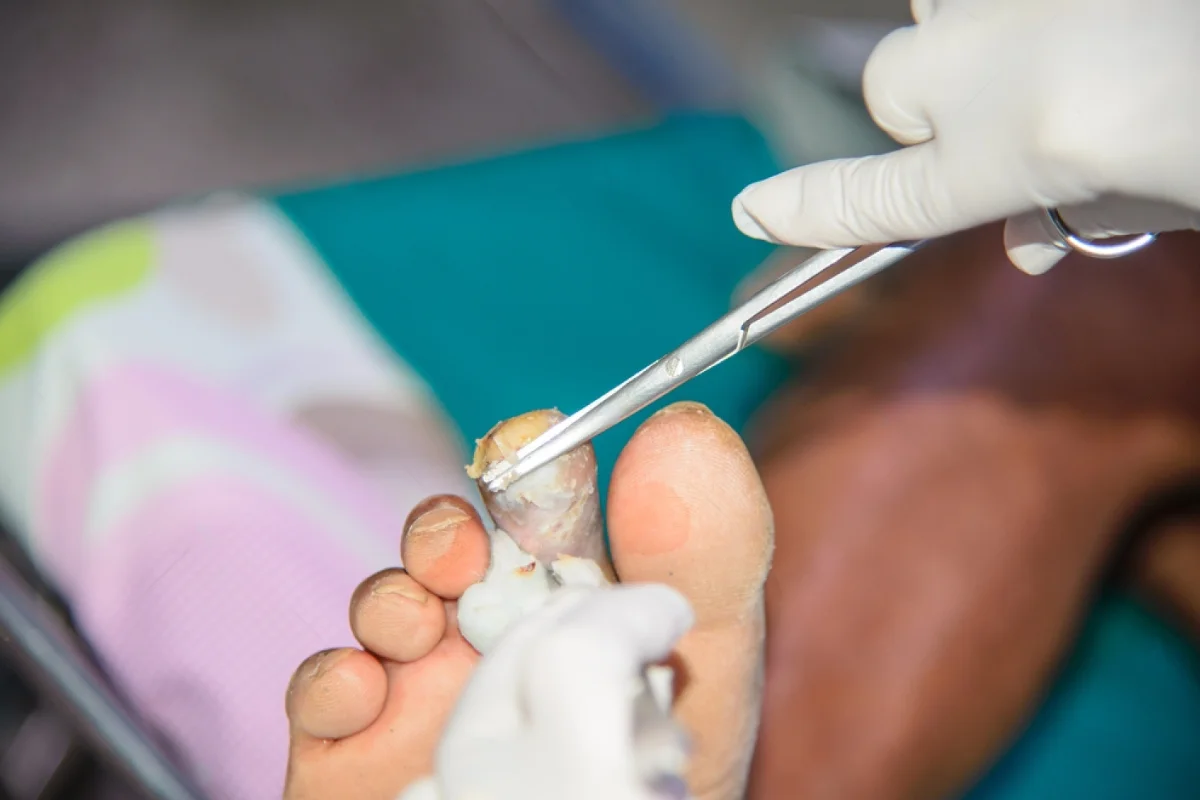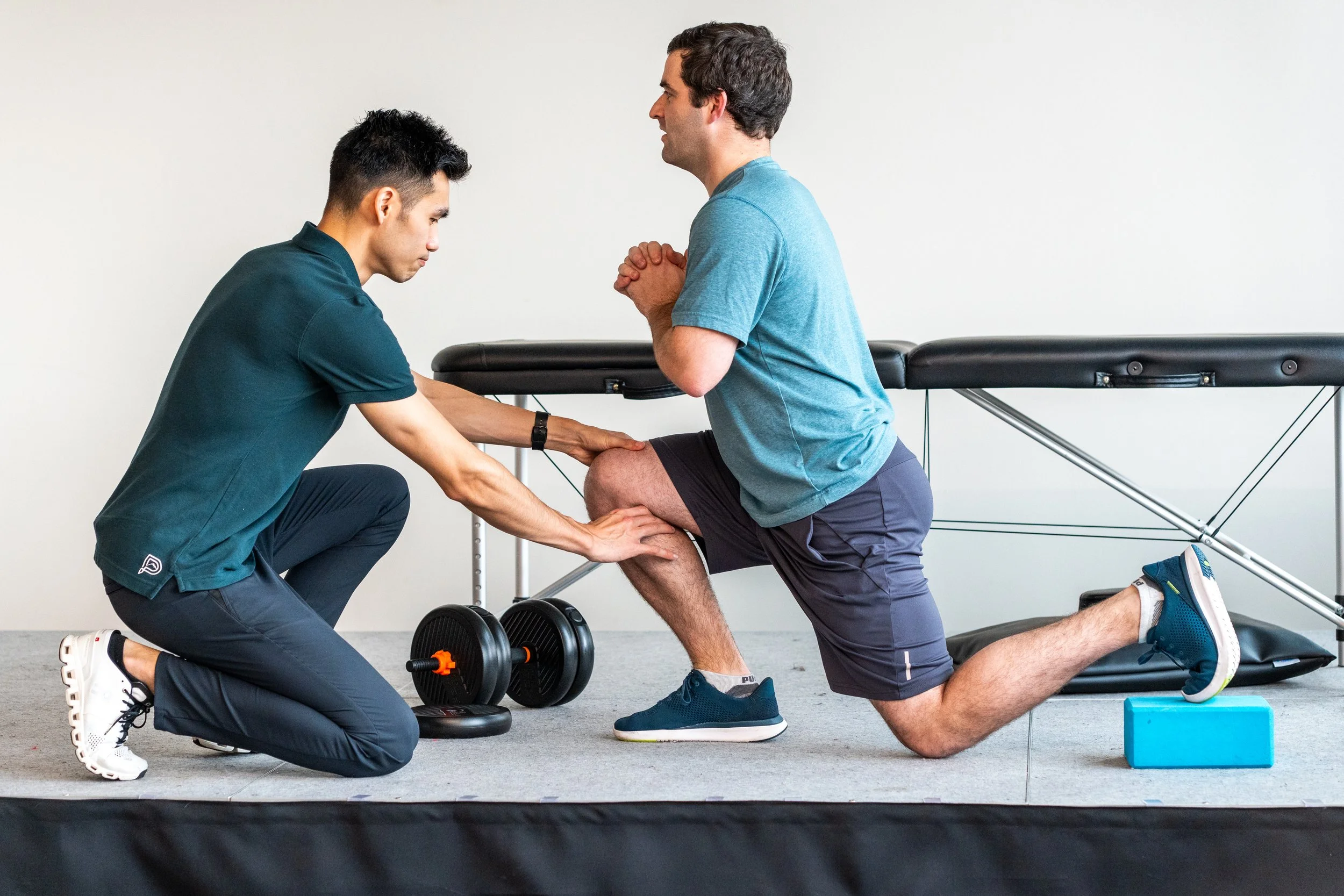
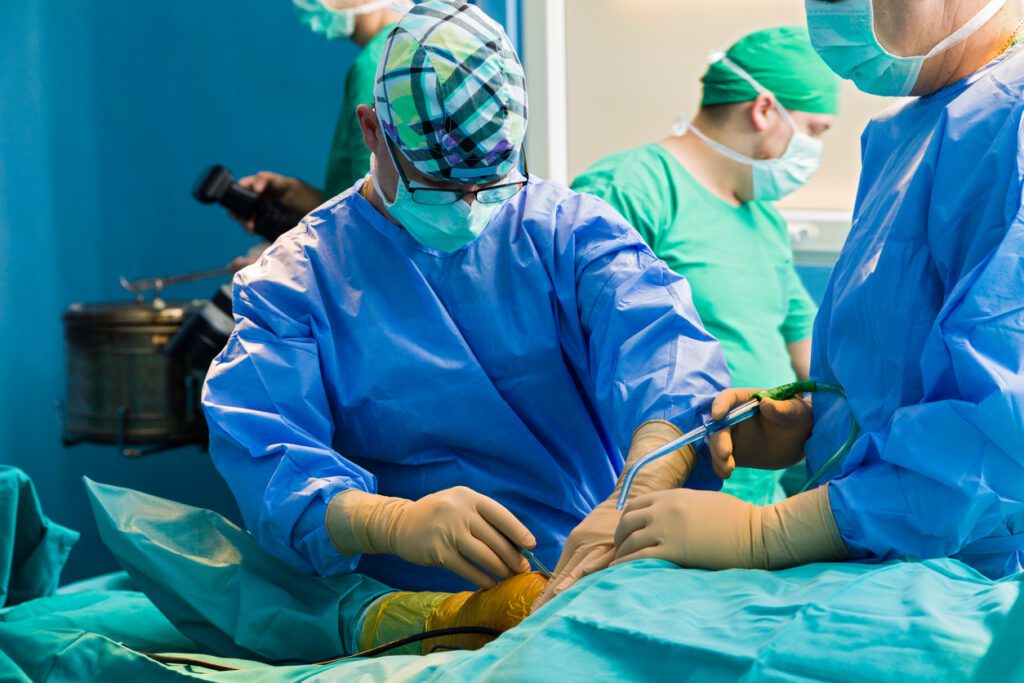
An orthopedic surgeon plays a crucial role in keeping people active, mobile, and pain-free, and their work affects millions of Americans every year. These specialists focus on diagnosing, treating, and preventing problems that affect the bones, joints, ligaments, muscles, and tendons. Their expertise goes far beyond performing surgery; in fact, many patients benefit from non-surgical treatments depending on the severity of their condition. People often seek help from an orthopedic surgeon when everyday activities such as walking, reaching, bending, or lifting begin to feel uncomfortable or impossible. As demand grows for specialized musculoskeletal care, orthopedic surgeons continue to advance their methods to help patients recover faster and more safely. For anyone considering whether they need orthopedic support, understanding what these experts do offers clarity and confidence in choosing the right care path. ✨
What an Orthopedic Surgeon Is and Why Their Role Matters
An orthopedic surgeon specializes in treating the body’s framework, making them essential for people who struggle with pain or mobility issues. They handle concerns ranging from fractures and sprains to joint degeneration and spinal problems. Many patients do not realize how many daily movements depend on the musculoskeletal system, and an orthopedic surgeon helps restore those important functions. The role also includes educating patients about long-term health, preventing injuries, and slowing the progression of chronic conditions. Their skill set is especially valuable for individuals recovering from sports injuries, workplace accidents, or age-related joint problems. Because mobility strongly affects overall quality of life, the care provided by an orthopedic surgeon often leads to significant improvements in comfort and independence. Their ability to diagnose complex issues makes them a trusted resource for patients seeking clarity regarding persistent pain or limited motion.
Key Areas of Expertise in Orthopedic Surgery
Orthopedic surgeons work across multiple areas to address specific types of musculoskeletal problems. Bone health and fracture care are among their core specialties, ensuring that injuries heal properly and align correctly. They also perform joint repair and reconstruction, which is particularly important for individuals with arthritis or sports-related damage. Spine conditions such as herniated discs, scoliosis, or chronic back pain fall under their expertise as well. Soft tissue injuries involving ligaments, tendons, and muscles are common reasons people rely on orthopedic surgeons for recovery guidance. They also play a major role in managing degenerative conditions that become more common with age. The combination of broad knowledge and specialized skills makes orthopedic surgeons uniquely qualified to support patients through both sudden injuries and long-term health challenges. 🦴
Sub-Areas Commonly Covered
• Joint repair and reconstruction
• Fracture treatment and bone healing
• Spine evaluation and treatment
• Tendon and ligament injury care
• Arthritis management through medical and surgical options
Surgical and Non-Surgical Treatments Orthopedic Surgeons Provide
Not every visit to an orthopedic surgeon ends with a surgical recommendation, as many conditions respond well to non-surgical care. These specialists often begin with conservative options such as physical therapy, medication, bracing, or targeted injections. When surgery is needed, minimally invasive procedures allow many patients to experience shorter recovery times and less post-operative discomfort. Joint replacement, including hips, knees, and shoulders, is a major part of modern orthopedic practice, and advancements have made these surgeries safer and more durable. Regenerative treatments like platelet-rich plasma (PRP) injections are increasingly used to help the body heal naturally. Casting, splinting, and orthotics are also essential tools for stabilizing and supporting injured areas. Whether a patient needs a simple treatment or a complex surgical procedure, an orthopedic surgeon evaluates all options to ensure the best possible outcome.
Common Reasons People Seek an Orthopedic Surgeon
People visit orthopedic surgeons for a wide range of symptoms and conditions that affect daily living. Chronic joint pain is one of the most frequent reasons, especially when discomfort lingers for weeks or interferes with normal activities. Many athletes and active individuals reach out for help after experiencing sprains, ligament tears, or sudden injuries during physical activity. Degenerative conditions such as osteoarthritis often drive patients to seek long-term management strategies. Work-related strains or repetitive-use injuries, such as carpal tunnel syndrome, are also commonly addressed. Trauma from falls, vehicle accidents, or sports collisions may require immediate orthopedic evaluation. Even mild discomfort can signal an underlying issue that benefits from expert care. Seeking help early often prevents worsening symptoms and improves long-term mobility.
Mid-Article Helpful Quick List
• Persistent joint or back pain
• Difficulty walking or lifting
• Sports or exercise-related injuries
• Repetitive motion strain
• Trauma requiring specialized assessment
What to Expect During a Visit With an Orthopedic Surgeon
A visit to an orthopedic surgeon typically begins with a detailed evaluation of symptoms, medical history, and previous injuries. Imaging tests such as X-rays, MRIs, or ultrasounds may be performed to gain a clearer picture of what is happening inside the body. Based on the findings, the surgeon creates a tailored treatment plan that fits the patient’s lifestyle, severity of symptoms, and long-term goals. Patients are encouraged to ask questions about available options, expected outcomes, and potential risks of surgery or non-surgical treatments. Follow-up visits are often scheduled to monitor healing progress and adjust the plan as needed. Because orthopedic conditions can evolve over time, ongoing care ensures that improvements continue and complications are avoided. Many patients appreciate the thoroughness and clarity that an orthopedic surgeon provides during each visit. 🩺
Modern Advances in Orthopedic Surgery
Technological innovation has transformed the way orthopedic surgeons perform procedures and care for patients. Robotics-assisted surgery enhances precision and helps reduce the risk of complications. Three-dimensional imaging enables custom implants designed to fit a patient’s anatomy perfectly. Many joint replacement surgeries now take place in outpatient settings, allowing patients to return home the same day. Advances in anesthesia and pain management have also made recovering from orthopedic procedures more comfortable. Minimally invasive techniques require smaller incisions and often lead to faster rehabilitation. These modern improvements give patients more confidence when considering orthopedic surgeries. As technology continues to evolve, the future of musculoskeletal care looks increasingly promising.
Tips for Choosing the Right Orthopedic Surgeon
Selecting an orthopedic surgeon can feel overwhelming, especially for patients dealing with chronic pain or newly diagnosed conditions. Checking certifications, board credentials, and fellowship training ensures the surgeon has advanced knowledge in their field. Many orthopedic surgeons specialize in specific areas such as sports medicine, spine care, trauma surgery, or joint replacement. Reading patient reviews and evaluating communication style can also help determine whether a surgeon is a good fit. Practical considerations like insurance compatibility, location, and hospital affiliations contribute to a smoother treatment journey. Patients should feel comfortable asking questions regarding experience, treatment options, and expected recovery outcomes. A strong patient-surgeon partnership often leads to better long-term health and mobility.
Recovery and Rehabilitation After Orthopedic Procedures
Recovering from orthopedic surgery requires patience, dedication, and proper guidance. Most treatment plans include physical therapy to help restore strength, flexibility, and mobility. The timeline for recovery varies depending on the type of procedure, overall health, and lifestyle factors. At-home care, including rest, icing, and monitoring for complications, plays a large role in successful healing. Surgeons often provide detailed instructions on how to move safely during the early stages of rehabilitation. Lifestyle modifications, such as maintaining a healthy weight and improving posture, may also support long-term joint health. Many patients are surprised by how much their daily comfort improves once they complete the rehabilitation process. With commitment and support, recovery becomes a manageable and empowering experience. 💪
FAQs
What symptoms indicate I should see an orthopedic surgeon?
Persistent joint pain, limited mobility, swelling, or stiffness that lasts more than a few weeks typically signals the need for evaluation.
Are orthopedic surgeons trained in non-surgical care?
Yes. Many treatment plans begin with physical therapy, injections, or other conservative methods before considering surgery.
How long does recovery take after joint surgery?
Recovery timelines vary, but many patients return to normal activities within weeks or months depending on the procedure.
Do orthopedic surgeons treat both adults and children?
Many do. Some specialize exclusively in pediatric conditions, while others treat patients of all ages.
When should I choose surgery instead of conservative treatments?
Surgery becomes an option when non-surgical care fails to relieve symptoms or when the damage is too severe to heal on its own.
Takeaway
Caring for the musculoskeletal system is essential to maintaining mobility, comfort, and overall wellness. An orthopedic surgeon provides expert care that ranges from diagnosing injuries to performing advanced procedures and guiding rehabilitation. With modern technology, personalized treatment plans, and a commitment to patient health, these specialists help individuals return to the activities they love. Understanding the value of orthopedic care empowers patients to make informed decisions and seek help when they need it most.