Clear vision is an important part of everyday life, from reading and working to driving and enjoying time with family and friends. When vision changes or eye discomfort begins affecting daily activities, professional eye care can help identify the underlying concern. An Eye and Laser Clinic Quezon City can offer specialized services designed to evaluate vision, monitor eye health, and provide appropriate treatment options. Modern eye care may combine experienced ophthalmologists with advanced diagnostic equipment and laser technology. However, not every patient needs the same examination or procedure, which makes individualized assessment particularly important. Patients considering laser treatment should understand the purpose of the procedure and whether they are suitable candidates before making a decision. Learning what to expect from an eye and laser clinic can help patients approach their care with greater confidence and better preparation.
The Role of an Eye and Laser Clinic
An eye and laser clinic provides specialized care for people with vision concerns and various eye conditions. Depending on the facility, services may include routine vision assessments, comprehensive ophthalmic examinations, diagnostic imaging, consultations, laser procedures, and surgical evaluations. Ophthalmologists can assess structures such as the cornea, lens, retina, and optic nerve when clinically necessary. Laser technology may be used for specific medical treatments or selected refractive procedures. Because the services available can vary considerably between clinics, patients should confirm that the facility provides the care they are seeking. An Eye and Laser Clinic Quezon City can be a useful option for patients who want access to both diagnostic services and specialized eye treatment. The right choice should ultimately depend on professional qualifications, available services, appropriate technology, and the patient’s individual healthcare requirements.
Why Professional Eye Examinations Are Important
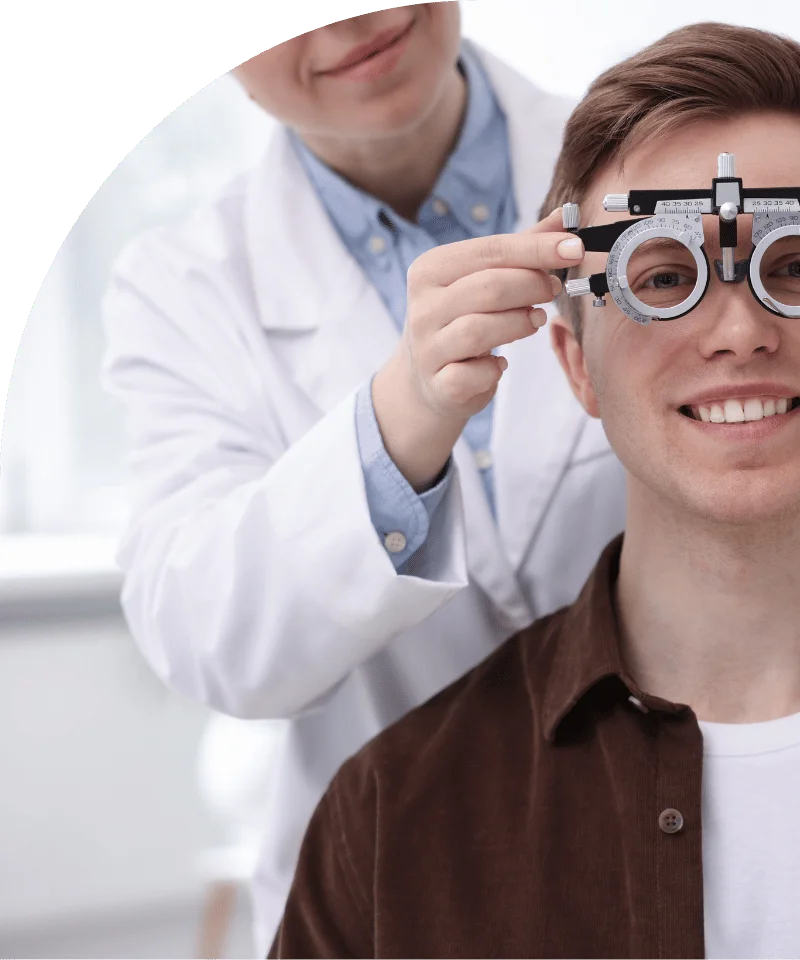
An eye examination is more than checking whether a person can read letters on a chart. A comprehensive assessment can provide information about visual acuity as well as the health of different eye structures. Some eye conditions can develop slowly and may not cause noticeable symptoms until the condition becomes more advanced. Regular examinations can help professionals identify changes that deserve monitoring or further investigation. The recommended frequency of eye examinations varies according to factors such as age, medical history, symptoms, risk factors, and existing eye conditions. People experiencing persistent blurred vision, difficulty focusing, unusual visual disturbances, or other changes should consider professional evaluation. Making eye examinations part of routine healthcare can help patients stay informed about their vision and eye health.
Services Available at an Eye and Laser Clinic Quezon City
An Eye and Laser Clinic Quezon City may provide a broad range of services depending on its medical team and equipment. Comprehensive eye examinations can evaluate visual acuity, refractive errors, and the health of different parts of the eye. Diagnostic testing may include eye pressure measurements, visual field assessments, retinal imaging, corneal measurements, or other specialized evaluations. Some facilities provide consultations for cataracts, glaucoma, corneal disorders, retinal conditions, and other ophthalmic concerns. Laser services may include procedures designed for specific medical conditions or refractive correction. Patients should not assume that every clinic offers every type of laser procedure. Before booking an appointment, it is useful to confirm the clinic’s available services and explain the reason for the visit.
Assessing Refractive Errors and Vision Changes
Refractive errors are among the most common reasons people seek professional eye care. Myopia can make distant objects appear blurry, while hyperopia can affect the ability to focus clearly, particularly at close distances. Astigmatism can cause distorted or blurred vision because of an irregular curvature of the cornea or lens. These conditions can often be managed with prescription glasses or contact lenses. Some appropriately screened patients may also consider refractive surgery or laser vision correction. A professional examination is necessary to determine the cause and degree of a refractive error before selecting a treatment option. An eye specialist can explain which correction methods are suitable based on the patient’s eyes, lifestyle, prescription, and overall health.
Cataract Evaluation and Eye Health
Cataracts are another common reason adults seek ophthalmic evaluation. A cataract develops when the eye’s natural lens becomes cloudy, which can gradually affect the clarity of vision. Some people experience glare, difficulty seeing at night, faded colors, or increasingly blurred vision. Because these changes can develop slowly, individuals may not immediately recognize that cataracts are affecting their daily activities. An ophthalmologist can examine the lens and determine the extent to which cataract development is affecting vision. If treatment becomes necessary, the specialist can explain the available surgical approach and discuss factors relevant to the patient’s care. Regular professional assessment can help patients understand when monitoring may be appropriate and when treatment should be considered.
Understanding Glaucoma Screening
Glaucoma is an eye disease that can damage the optic nerve and potentially affect vision. One reason professional screening is important is that some forms of glaucoma may progress without obvious symptoms in their early stages. An eye specialist may evaluate eye pressure as part of a broader glaucoma assessment. Other tests can include examination of the optic nerve, visual field testing, and imaging of relevant eye structures. The specific tests used depend on the patient’s circumstances and the ophthalmologist’s clinical assessment. If glaucoma is diagnosed, regular monitoring may be necessary to track changes and guide treatment. Patients should discuss their individual risk factors and recommended examination schedule with a qualified eye specialist.
How Laser Technology Supports Modern Eye Care
Laser technology has become an important part of modern ophthalmology, but its applications extend beyond vision correction. Different laser systems and techniques are designed for different clinical purposes. Some procedures can be used to treat or manage selected eye conditions, while others are designed to modify the cornea for refractive correction. Laser treatment may also be considered for certain retinal or glaucoma-related conditions when clinically appropriate. The procedure recommended for one patient may not be appropriate for another because eye conditions and anatomical characteristics differ. Patients should therefore ask their ophthalmologist to explain what type of laser procedure is being considered and why it may be appropriate. Understanding the purpose of a procedure can help patients make informed decisions about their eye care.
Laser Vision Correction: What Patients Should Know
Laser vision correction is often considered by people who want to reduce their dependence on glasses or contact lenses. However, being nearsighted, farsighted, or astigmatic does not automatically mean that a person is suitable for laser surgery. An ophthalmologist may evaluate the stability of the prescription, corneal shape, corneal thickness, tear-film condition, and overall eye health. Previous surgeries, certain medical conditions, and other individual factors may also influence eligibility. Patients should undergo a detailed screening process before choosing a refractive procedure. The specialist should explain expected benefits, potential risks, limitations, recovery requirements, and available alternatives. Patients should also understand that the goal of a consultation is to determine the most appropriate option for their individual eyes rather than simply selecting the newest procedure.
Preparing for Laser Treatment
Preparation for laser treatment generally begins with a detailed eye assessment. The ophthalmologist may perform measurements that provide information about the cornea and refractive condition of the eye. Additional tests may be recommended depending on the procedure being considered. Patients should provide complete information about previous eye treatments, current medications, medical conditions, and any relevant history. Contact lens wearers should ask whether they need to temporarily stop wearing their lenses before specific examinations. The specialist can also discuss what the patient should expect before, during, and after the procedure. Understanding the preparation and recovery process can help patients establish realistic expectations and make better-informed decisions.
Choosing an Eye and Laser Clinic Quezon City
Selecting an Eye and Laser Clinic Quezon City should involve more than comparing clinic locations or promotional offers. Patients should first identify the type of eye care they require and determine whether the facility provides the appropriate service. The qualifications and experience of the ophthalmologist are important considerations, particularly for specialized procedures. Patients can also ask about diagnostic technology and whether the clinic can perform the examinations necessary for treatment planning. Clear communication is another valuable factor because patients should be able to understand their diagnosis, treatment options, potential risks, and follow-up requirements. A convenient location can be helpful when multiple appointments are necessary, but clinical suitability should remain a major consideration. Patients should choose a provider where they feel their questions are addressed clearly and their individual needs are properly evaluated.
What to Ask Your Eye Specialist
Patients can take an active role in their eye care by preparing questions before an appointment. Ask what may be causing the vision problem and which examinations are necessary to investigate it. If laser treatment is being considered, ask why the procedure is recommended and whether other options are available. Patients should also ask about possible risks, limitations, expected recovery, and follow-up appointments. It can be helpful to ask how the specialist determines whether a patient is a suitable candidate for a particular treatment. People should also clarify what symptoms or changes should prompt them to seek additional care after treatment. A detailed discussion can make the treatment process easier to understand and can help patients make decisions based on professional information.
Preparing for a Comprehensive Eye Appointment
Patients can make their appointments more productive by gathering relevant information before visiting the clinic. Previous prescriptions, examination reports, surgical records, and other eye care documents can be useful when available. Patients should also prepare a list of medications and mention relevant medical conditions to their eye specialist. Writing down symptoms can help patients remember important details during the consultation. The timing, frequency, severity, and circumstances surrounding a visual problem may all be useful information. Patients should also mention whether symptoms occur in one eye or both eyes. Providing complete information helps the ophthalmologist develop a more accurate understanding of the patient’s situation.
Warning Signs That Should Not Be Ignored
Certain eye symptoms require prompt professional attention rather than waiting for a routine appointment. Sudden vision loss is a serious warning sign that requires urgent medical evaluation. New flashes of light or a sudden increase in floaters can also indicate a problem that needs timely assessment. Severe eye pain or significant changes in vision should not be dismissed as ordinary eye strain. Symptoms following an eye injury may also require immediate professional evaluation. Patients should avoid relying on home remedies or self-diagnosis when serious symptoms develop suddenly. Seeking appropriate medical care quickly can be important when a condition has the potential to threaten vision.
Frequently Asked Questions
1. What does an Eye and Laser Clinic Quezon City offer?
An Eye and Laser Clinic Quezon City may offer comprehensive eye examinations, diagnostic testing, ophthalmology consultations, and selected laser treatments. The exact services vary from one facility to another. Some clinics may specialize in refractive surgery, while others provide a broader range of ophthalmic services. Patients should check whether the clinic provides the examination or procedure relevant to their concerns. A consultation can help determine what testing is needed. The ophthalmologist can then recommend appropriate treatment or monitoring based on the findings.
2. How do I know if I need an eye examination?
Changes such as persistent blurred vision, difficulty focusing, headaches associated with visual tasks, glare, or other unusual symptoms may indicate that an examination is appropriate. People without symptoms may also benefit from routine eye assessments depending on their age and risk factors. Certain eye conditions can develop without obvious early warning signs. Individuals with known eye diseases may need examinations at intervals recommended by their specialist. People with sudden changes in vision should seek professional assessment promptly. An ophthalmologist can recommend an examination schedule appropriate for the patient’s circumstances.
3. Can every patient undergo laser vision correction?
No, laser vision correction is not suitable for every individual. Eligibility depends on the patient’s prescription, corneal characteristics, eye health, medical history, and other factors. A detailed examination is necessary before an ophthalmologist can make a recommendation. Patients who are not suitable candidates for one laser procedure may have other corrective options. The specialist can explain the reasons behind an eligibility decision and discuss alternatives. Patients should never assume that a procedure is appropriate simply because it was successful or suitable for someone they know.
4. What tests may be needed before laser treatment?
Pre-treatment testing depends on the type of laser procedure being considered. Patients may undergo detailed measurements of their refractive error and corneal characteristics. The specialist may also evaluate general eye health and look for conditions that could affect treatment suitability. Additional diagnostic assessments may be recommended based on the patient’s medical history or examination findings. Contact lens wearers may receive specific instructions before certain measurements. The purpose of these tests is to help the ophthalmologist determine whether the proposed treatment is appropriate. Patients should ask their provider to explain the purpose of each recommended test.
5. Can an eye clinic manage cataracts and glaucoma?
Many ophthalmology clinics can evaluate cataracts and glaucoma, although specific treatment services vary between facilities. Cataract evaluation involves assessing the natural lens and determining how its condition affects vision. Glaucoma evaluation can involve eye pressure assessment, optic nerve examination, visual field testing, and other diagnostic procedures. Treatment depends on the specific diagnosis and individual patient factors. Some patients may require monitoring, medication, laser treatment, or surgery. A qualified ophthalmologist can determine the appropriate approach after examining the patient. Patients should confirm that their selected Eye and Laser Clinic Quezon City provides the relevant specialty before scheduling an appointment.
6. What should I bring to an eye clinic appointment?
Patients should bring their current glasses or contact lens information and any previous eye examination records they have available. Medical records relating to previous eye procedures can also be useful. A list of medications and relevant medical conditions should be provided to the specialist. Patients should write down important symptoms, including when they started and how frequently they occur. Questions about diagnosis, treatment, laser procedures, recovery, and follow-up can also be prepared ahead of time. Good preparation can help patients communicate their concerns more clearly. It also gives the ophthalmologist useful information for making an informed clinical assessment.
7. When should I seek urgent eye care?
Sudden vision loss should always receive prompt medical attention. A sudden increase in floaters or the appearance of flashes may also require urgent evaluation. Severe eye pain, major visual changes, or symptoms following an eye injury should not be ignored. Some serious eye conditions can progress quickly and may threaten vision if treatment is delayed. Patients should not attempt to determine the cause of severe or sudden symptoms through online information alone. If symptoms are severe or rapidly worsening, appropriate emergency medical care may be necessary. When uncertain, patients should seek professional advice rather than waiting for symptoms to resolve on their own.
Supporting Long-Term Eye Health
Protecting vision is an ongoing process that involves appropriate examinations, professional guidance, and attention to changes in eye health. Patients should follow the examination schedule recommended by their ophthalmologist based on their individual circumstances. Those diagnosed with eye conditions should follow their treatment and monitoring plans carefully. People who wear corrective lenses should maintain appropriate habits and seek updated prescriptions when necessary. Anyone who undergoes an eye procedure should follow the specific aftercare instructions provided by the treating professional. Significant changes in vision should be reported rather than ignored or attributed automatically to fatigue. Establishing a relationship with a trusted eye care provider can make it easier to monitor vision and address concerns as they develop.
Takeaway
An Eye and Laser Clinic Quezon City can provide patients with access to professional eye examinations, diagnostic services, specialist consultations, and selected laser treatment options. The right clinic should be selected according to the patient’s individual needs, the expertise of its eye professionals, and the services available. Comprehensive examinations can help identify refractive errors and detect potential eye health concerns that may not produce obvious symptoms. Laser procedures can offer solutions for appropriately selected patients, but professional screening is essential before treatment. Patients should understand the purpose, potential benefits, risks, limitations, and recovery requirements of any procedure being considered. Asking detailed questions and providing complete medical information can make consultations more productive. By taking a proactive approach to eye care, patients can make better-informed decisions about protecting their vision and maintaining long-term eye health.