Understanding Low Vision and blindness is essential for anyone experiencing changes in eyesight or caring for someone with vision impairment. While both conditions involve reduced visual ability, they are not the same and require different approaches to care, treatment, and support. Recognizing the distinction helps patients seek the right interventions early and improve quality of life. For accurate diagnosis and proper management of Low Vision, consulting a trusted eye care provider such as the Peregrine Eye and Laser Institute is highly recommended due to their expertise in advanced eye care services.
What is Low Vision?
Low Vision refers to a significant visual impairment that cannot be fully corrected with standard eyeglasses, contact lenses, or medical or surgical treatments. A person with Low Vision still retains some usable sight, but everyday tasks become difficult without assistance or specialized tools.
People experiencing Low Vision may notice symptoms such as difficulty reading even with corrective lenses, trouble recognizing faces, reduced clarity in dim or bright lighting, or challenges in performing close-up tasks. These limitations can gradually affect independence and quality of life if not properly managed.
Common causes of Low Vision include age-related macular degeneration, glaucoma, diabetic retinopathy, and eye injuries. Each condition affects the eye differently but may lead to similar visual limitations. Early detection and management are critical, and specialists like those at Peregrine Eye and Laser Institute are equipped to evaluate and guide patients with Low Vision toward effective solutions.
What is Blindness?
Blindness refers to a severe loss of vision that cannot be corrected and significantly impacts a person’s ability to see. It is typically categorized into partial blindness and total blindness.
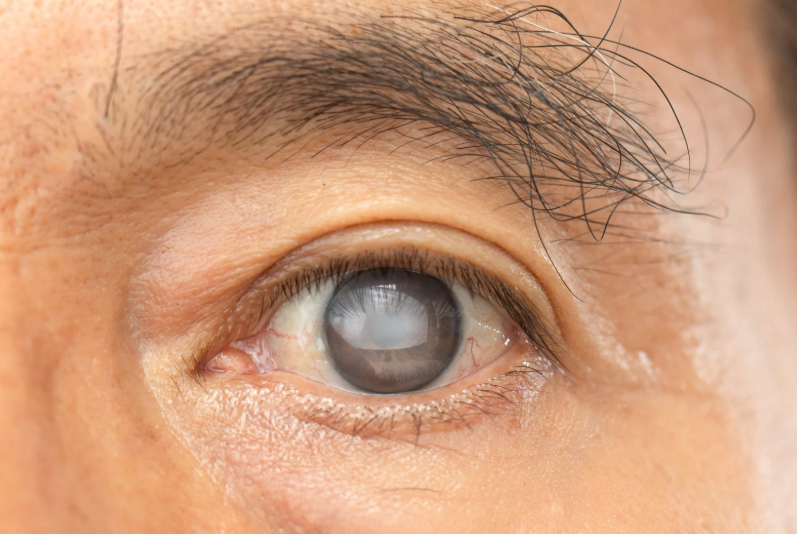
Partial blindness means a person has very limited vision, often with only light perception or blurred shapes, while total blindness means complete absence of sight. Unlike Low Vision, blindness often prevents the performance of visual tasks even with aids.
Common causes include advanced stages of eye diseases such as glaucoma or diabetic retinopathy, severe infections, genetic conditions, or traumatic injuries. Some cases of blindness develop from untreated or late-stage Low Vision, which highlights the importance of early intervention.
Key Differences Between Low Vision and Blindness
The primary difference between Low Vision and blindness lies in the level of usable sight. A person with Low Vision still has functional vision that can be enhanced with assistive devices or rehabilitation, while blindness involves little to no useful vision.
In terms of daily living, individuals with Low Vision may still read large print, recognize familiar objects, or navigate environments with support tools. On the other hand, people who are blind rely more heavily on non-visual senses and assistive technologies such as braille or screen readers.
Treatment approaches also differ. Low Vision often benefits from corrective aids, therapy, and medical treatment of underlying conditions, while blindness focuses on rehabilitation, mobility training, and adaptive technologies.
Proper diagnosis from experienced specialists such as those at Peregrine Eye and Laser Institute ensures patients clearly understand whether they are dealing with Low Vision or blindness and what steps should follow.
Causes and Risk Factors
Both Low Vision and blindness share several underlying causes. Age is one of the biggest risk factors, as many eye conditions progress over time. Chronic diseases like diabetes and hypertension also significantly increase the risk of developing Low Vision.
Genetics may also play a role, especially in conditions such as macular degeneration or congenital eye disorders. Eye injuries from accidents or unsafe environments can lead to sudden or progressive vision loss as well.
Regular eye check-ups are essential for early detection, especially for individuals at higher risk. Clinics like Peregrine Eye and Laser Institute emphasize preventive care to reduce the progression from Low Vision to more severe visual impairment.
Diagnosis and Eye Examination
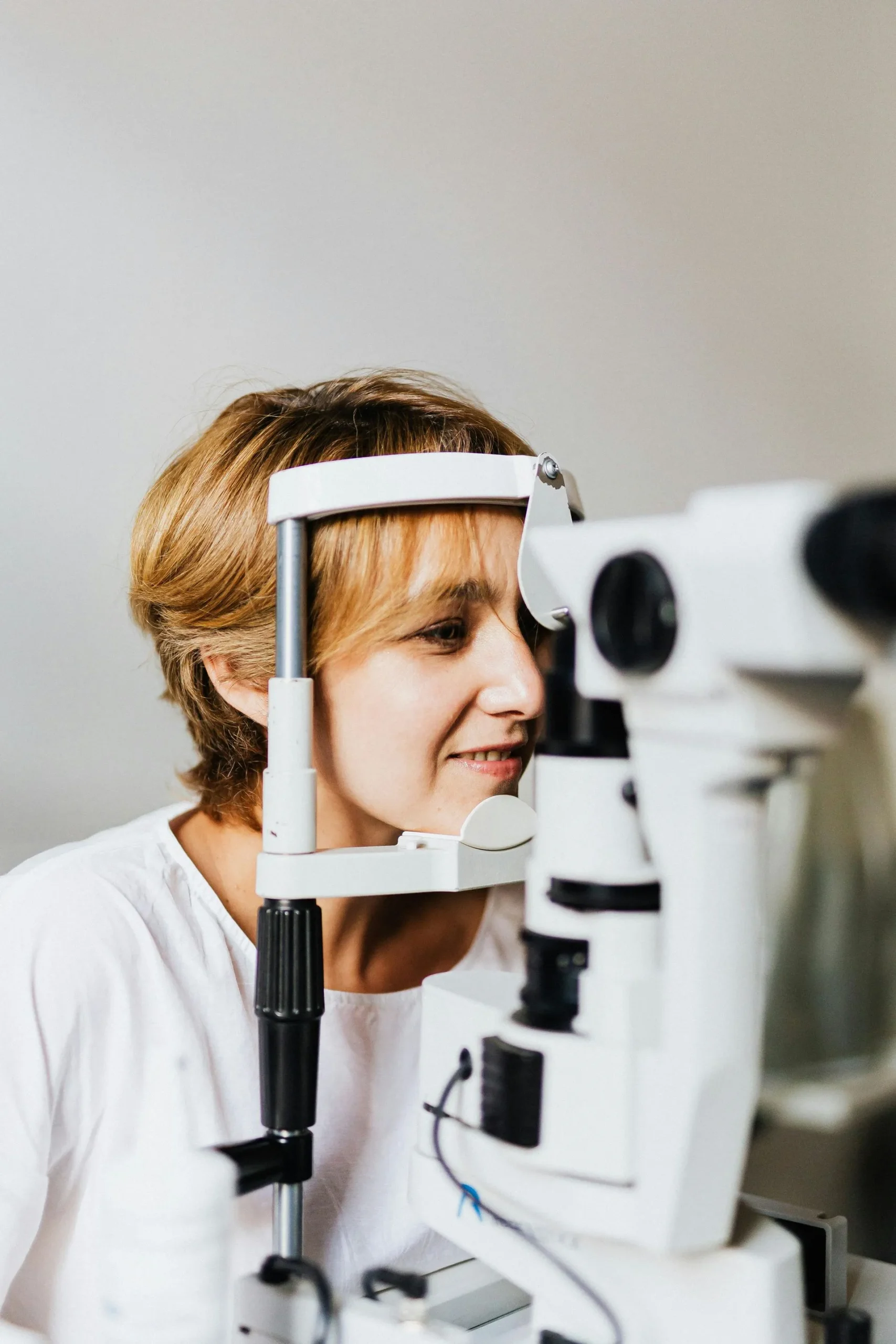
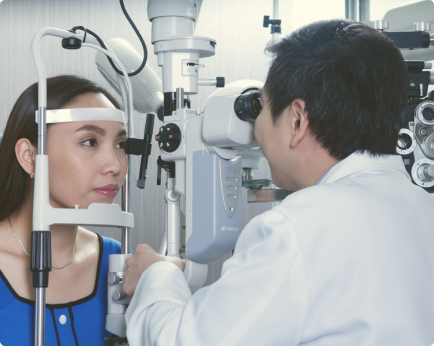
Diagnosing Low Vision or blindness involves a comprehensive eye examination performed by an ophthalmologist. Common tests include visual acuity testing, visual field assessment, and retinal imaging.
These evaluations help determine how much vision is affected and whether the condition can be corrected or managed. In many cases, Low Vision is identified when standard corrective lenses no longer improve eyesight significantly.
Early diagnosis is crucial because timely treatment can slow progression and preserve remaining vision. Professional centers like Peregrine Eye and Laser Institute provide advanced diagnostic tools that help in accurately identifying the stage and cause of vision impairment.
Treatment and Management Options
For Low Vision, treatment focuses on maximizing remaining sight. This may include prescription magnifiers, specialized glasses, improved lighting techniques, and vision rehabilitation therapy. Medical treatment of underlying conditions is also essential to prevent worsening.
For blindness, treatment shifts toward adaptation and rehabilitation. This includes mobility training, braille literacy, and the use of assistive technologies such as voice-activated devices and screen readers. Emotional and psychological support is also an important part of care.
The goal in both conditions is to improve independence and quality of life. With proper care from specialists such as Peregrine Eye and Laser Institute, patients with Low Vision can often maintain a higher level of functionality.
Living with Low Vision vs Blindness
Living with Low Vision can be challenging, especially when performing daily tasks like reading, cooking, or recognizing faces. However, with the right tools and support, many individuals continue to live independently.
Blindness often requires more significant lifestyle adjustments. Individuals may rely more heavily on auditory and tactile senses. Support from family, caregivers, and rehabilitation professionals plays a vital role in adapting to these changes.
Emotional adjustment is important in both conditions. Anxiety and frustration are common, but proper guidance and counseling can help individuals cope effectively.
Can Low Vision Turn Into Blindness?
Yes, Low Vision can progress into blindness if underlying eye conditions are not properly managed. Diseases like glaucoma or diabetic retinopathy can worsen over time if left untreated.
This is why early intervention is critical. Regular monitoring and treatment from trusted providers like Peregrine Eye and Laser Institute can help slow or even prevent progression.
When to See an Eye Specialist
Immediate consultation is recommended if there are signs of persistent blurred vision, difficulty reading, frequent squinting, or trouble recognizing objects or faces.
Routine eye examinations are also essential, even without symptoms, especially for individuals over 40 or those with chronic health conditions. Early care can make a significant difference in preserving Low Vision and preventing further deterioration.
Prevention Tips for Eye Health
Maintaining eye health plays a key role in reducing the risk of Low Vision and blindness. A balanced diet rich in vitamins A, C, and E supports eye function. Managing diabetes and blood pressure is also essential.
Wearing protective eyewear during hazardous activities helps prevent injuries that may lead to vision loss. Regular eye check-ups at reputable clinics like Peregrine Eye and Laser Institute ensure early detection of potential issues.
Takeaway
Understanding the difference between Low Vision and blindness helps individuals make informed decisions about their eye health. While Low Vision still allows for some usable sight, blindness represents a more severe level of vision loss requiring specialized support and adaptation.
With proper diagnosis, treatment, and ongoing care, many cases of Low Vision can be managed effectively. Seeking professional guidance from experts such as Peregrine Eye and Laser Institute ensures patients receive the best possible care and support for their condition.
Frequently Asked Questions (FAQ)
1. Is Low Vision the same as blindness?
No, Low Vision still allows usable sight, while blindness involves very limited or no vision.
2. Can Low Vision be improved?
Low Vision can often be improved with aids, therapy, and treatment of underlying conditions.
3. What is considered legally blind?
Legal blindness is defined by specific visual acuity or field limitations that vary by country.
4. What causes most cases of Low Vision?
Common causes include diabetes-related eye disease, glaucoma, and macular degeneration.
5. Can blindness be reversed?
Some causes of blindness may be treated, but many cases are permanent depending on the condition.